The earliest versions of this silhouette appeared in the eighteenth century in the form of small reticule bags. Reticules were the formal handbag of the Regency era, used by the upper classes to carry their daily essentials. Remaining fashionable well into the nineteenth century, they ranged from simple designs to highly elaborate creations adorned with embroidery, beads, gemstones and delicate lace.
After falling out of favour, it was not until the early twentieth century that a new bag emerged, originally designed to carry champagne bottles. This early model introduced many of the characteristics that still define the modern bucket bag: a wide base, a vertical body and a simple closure system. Over the following decades, the bucket bag continued to evolve alongside changing fashions. During the 1940s, it adopted a more utilitarian character, developing into larger and more durable formats inspired by sailors’ duffel bags and the practical needs of a society shaped by conflict.
The social and aesthetic shifts of the 1960s brought a new sensibility to the silhouette. The bucket bag became closely associated with the doll-like proportions of the decade, appearing in a wide variety of colours and interpretations. Its defining moment, however, arrived during the 1980s and 1990s. Houses such as Prada embraced the bucket silhouette and elevated it through modern materials such as nylon. Meanwhile, Celine established enduring icons during the 2000s, including its celebrated Triomphe bucket bags. Another noteworthy example is the The Row Park Tote, which has remained one of The Row’s best-selling designs since its introduction in 2020.
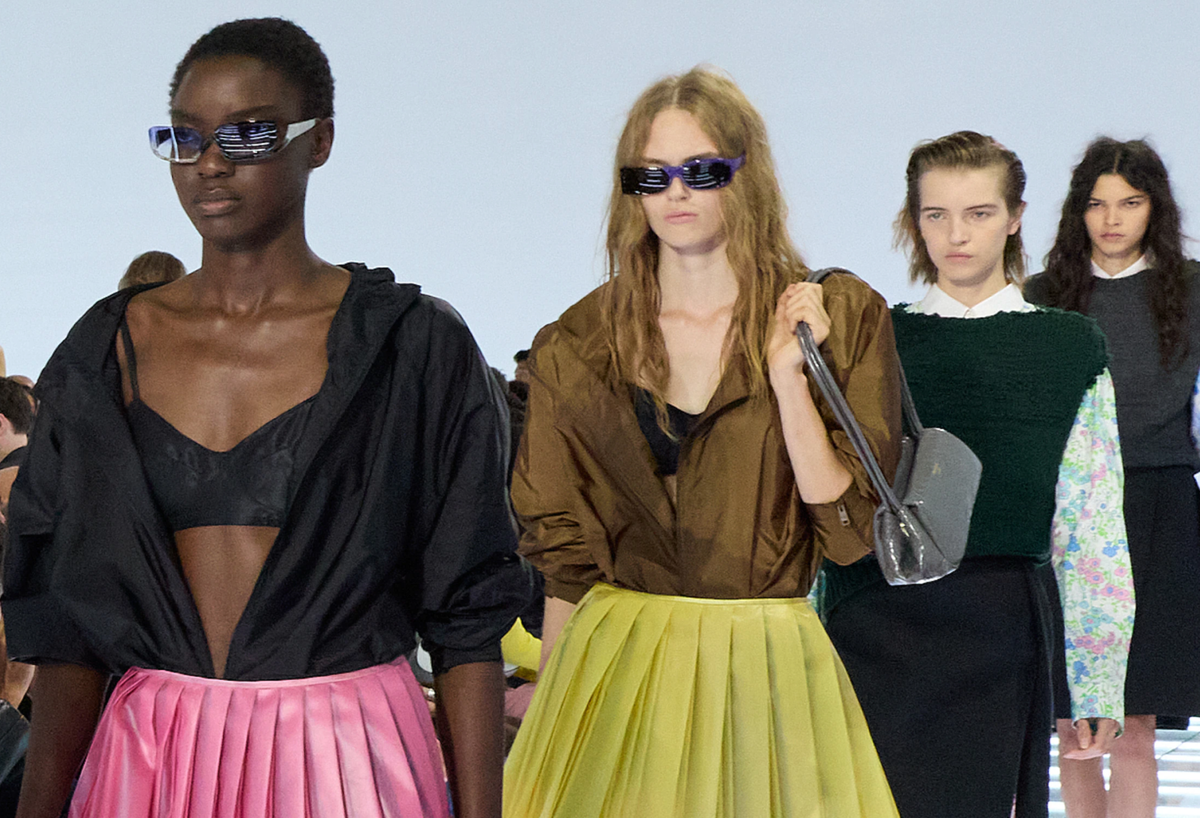
Today’s runways suggest a new peak in the bucket bag’s history. Celine once again takes a leading role, with several bucket silhouettes appearing in Michael Rider’s debut collection, alongside what appears to be a new icon for the house. Presented during the Summer 2026 show at Parc de Saint-Cloud, the new Celine Drop Bucket became one of the collection’s defining pieces. Its generous proportions, supple structure and understated elegance place it at the centre of the season.
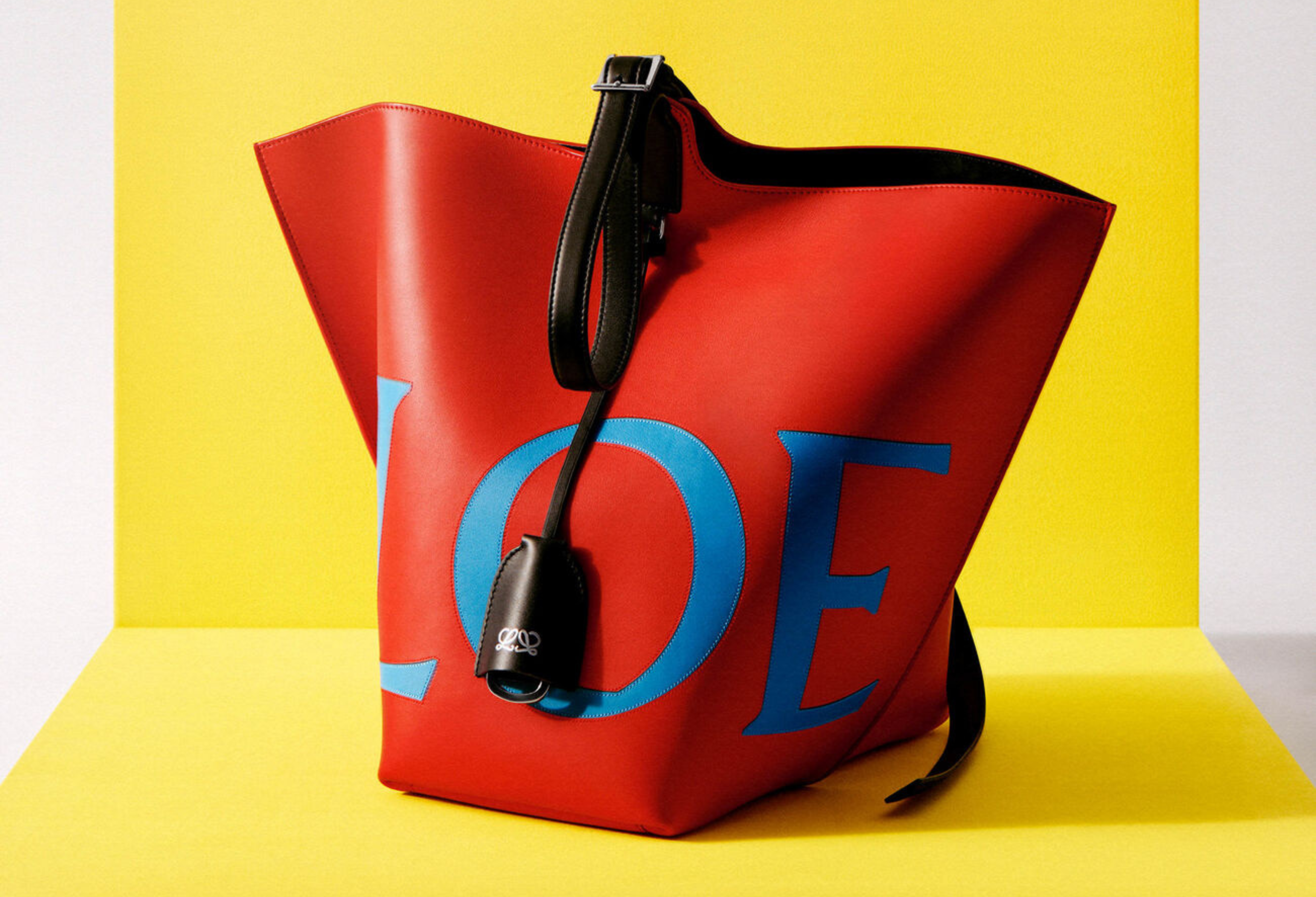
At the same time, Loewe celebrated one of Spain’s great cultural capitals through the introduction of the Loewe Bilbao. Beyond its tribute to Bilbao, the name also references the Guggenheim Museum Bilbao and the creative directors’ longstanding connection to contemporary art. The bag features a distinctive detail: a bottle opener designed as a keyring, suspended from one side of the bag. Both the Loewe Bilbao and the Celine Drop Bucket are offered in graphic and more understated versions, allowing the wearer to prioritise either visual presence or everyday versatility.
Ultimately, the bucket bag’s return feels less like a revival than a continuation. A silhouette that has adapted for centuries has once again found its place within the contemporary wardrobe.