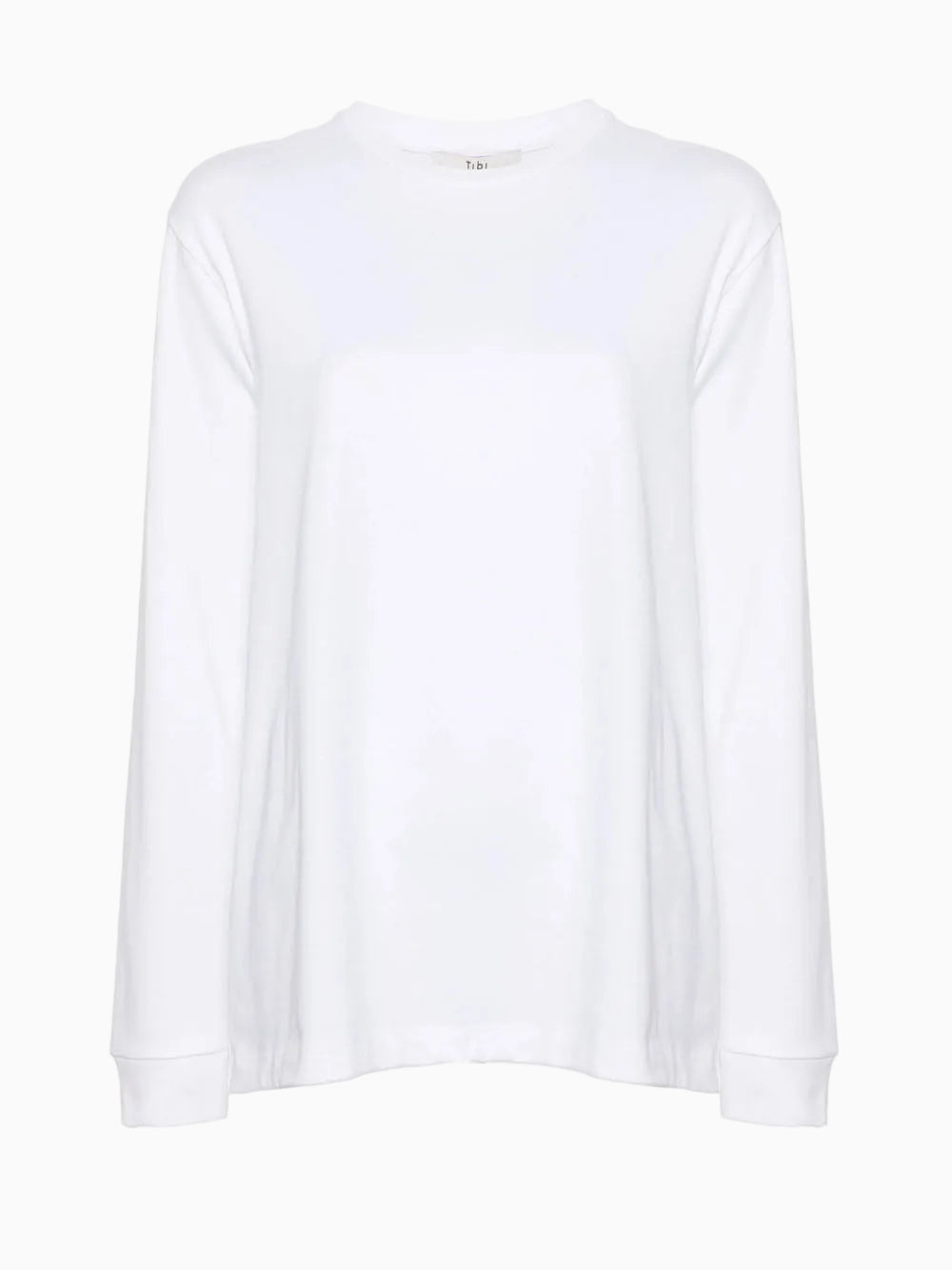
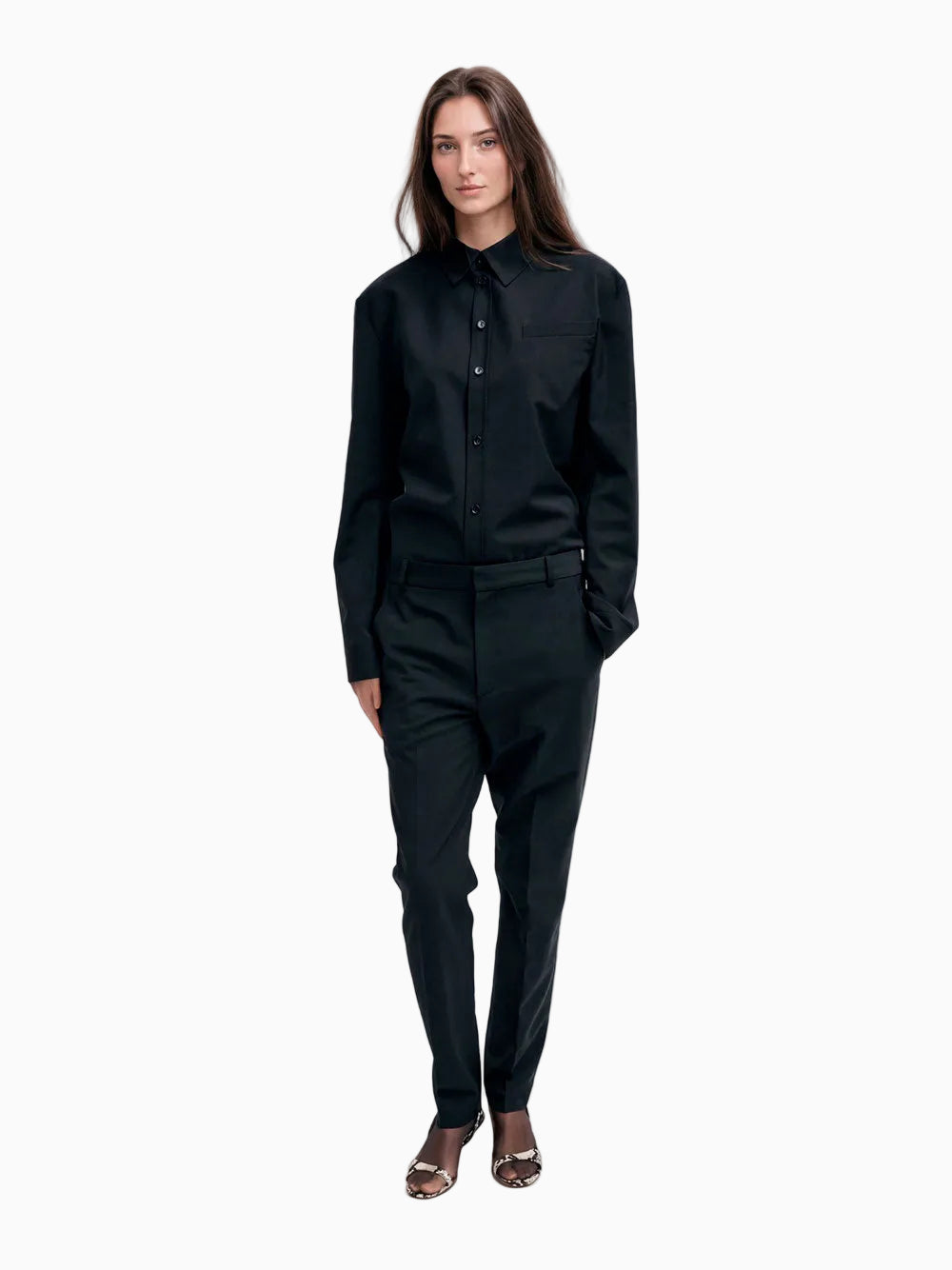
Amy Smilovic founded Tibi in 1997 after spending several years living in Hong Kong. The effortless simplicity of the city's street style, so different from the conventions of Western fashion, prompted a question that has guided her ever since: What does a woman actually want to wear every day, and why do so few brands genuinely offer it?
Her answer was a small collection of dresses that soon evolved into a complete ready-to-wear line, established in New York and built around a principle the brand calls Creative Pragmatism.
Creative Pragmatism is not a marketing slogan. It is the philosophy through which Smilovic approaches every design decision. A Tibi garment must be wearable, versatile and comfortable, while also expressing personality, creating desire and possessing the longevity to remain relevant in a wardrobe season after season. It is precisely in the balance between those two ambitions—the functional and the creative—that Tibi finds its rhythm.
To help women navigate this approach to dressing, Smilovic developed the Tibictionary, a glossary of proprietary styling concepts that function as practical wardrobe tools. The term 12 Mo'er describes pieces designed to be worn throughout all twelve months of the year, with a cost per wear that justifies the investment. The Chill, Modern, Classic formula suggests that a well-balanced outfit should contain at least one element from each category. A Modifier is the detail that personalises a polished look without disrupting its coherence. And a Without Fail piece is the garment you instinctively return to time and again—the one that best expresses who you are.
What makes this system so compelling is the philosophy behind it. Smilovic does not design for the runway or for the photograph. She designs for the woman who gets dressed every morning with confidence and intention, who has no time for clothes that remain unworn, and who wants her wardrobe to be a genuine extension of her personality. The Tibi woman does not necessarily follow trends, nor does she ignore them. Instead, she filters them, adapts them and ultimately makes them her own.