Skip to content

OTTODISANPIETRO

Get our app ✨

Download

Cart

Your cart is empty

Select your gift wrapping
Liquid error (sections/cart-drawer line 192): product form must be given a product

The New Maison Margiela By Glenn Martens

Glenn Martens conveys a sense of optimism, curiosity and playfulness. His interviews feel essential; his perspective challenges the system; and his collections reveal a constant desire to carve out his own path.

Appointed as the successor to John Galliano at Maison Margiela in January 2025, his first year at the house has marked a compelling return to a contemporary vision of Margiela.

Without further delay, we introduce the mind behind this new chapter at Maison Margiela.

The New Maison Margiela By Glenn Martens

Who is Glenn Martens?

Glenn Martens prefers to define himself through his methodology rather than through image. His trajectory does not follow a preconfigured aesthetic. Instead, it reflects an intuitive way of understanding fashion from within, as a system that can be questioned, deconstructed and reorganised without losing coherence. Born in the historic city of Bruges, he initially studied interior design before entering the Royal Academy of Fine Arts in Antwerp. This background has shaped his entire career, from his relationship with fashion to the way he presents and develops his collections.

His professional path began in 2008 at Jean Paul Gaultier, where he worked as a junior designer. This early experience placed him in direct contact with one of the most experimental and rebellious sides of the industry. He remained there until 2012, before launching his own label, Y/Project, the following year. It was within Y/Project that he developed a distinctly personal design language. Over the course of eleven years, Martens used the brand as a space for ongoing experimentation. His collections explored the function of garments, shifting their position, purpose and even their structure. In a profile for CRASH Magazine, journalist Armelle Leturcq described him as a designer who “blends genres and styles”, highlighting his preference for an open and evolving creative language.

That same perspective later defined his work at Diesel, although within a more global and commercial framework. Here, the challenge was not to create isolated collections, but to reshape an international identity. Martens softened his more radical deconstructive approach, reworking the brand’s denim icons through a language that balanced modernity with experimentation. In conversation with Business of Fashion, he articulated his method with a characteristic sense of enthusiasm:

There is definitely a big part of me that loves to deep-dive into storytelling and construction… I love experimentation and that makes me happy.
Glenn Martens (BoF, 2026)

His focus on process and the continuous development of ideas remains one of his defining pillars, not only creatively but personally. Glenn Martens approaches fashion with a genuine sense of curiosity, often expressing both admiration and gratitude for the opportunity to stand alongside two of his greatest influences: Jean Paul Gaultier, and now John Galliano.

Photo by OTB Group.

Maison Margiela Spring/Summer 2026 by Glenn Martens

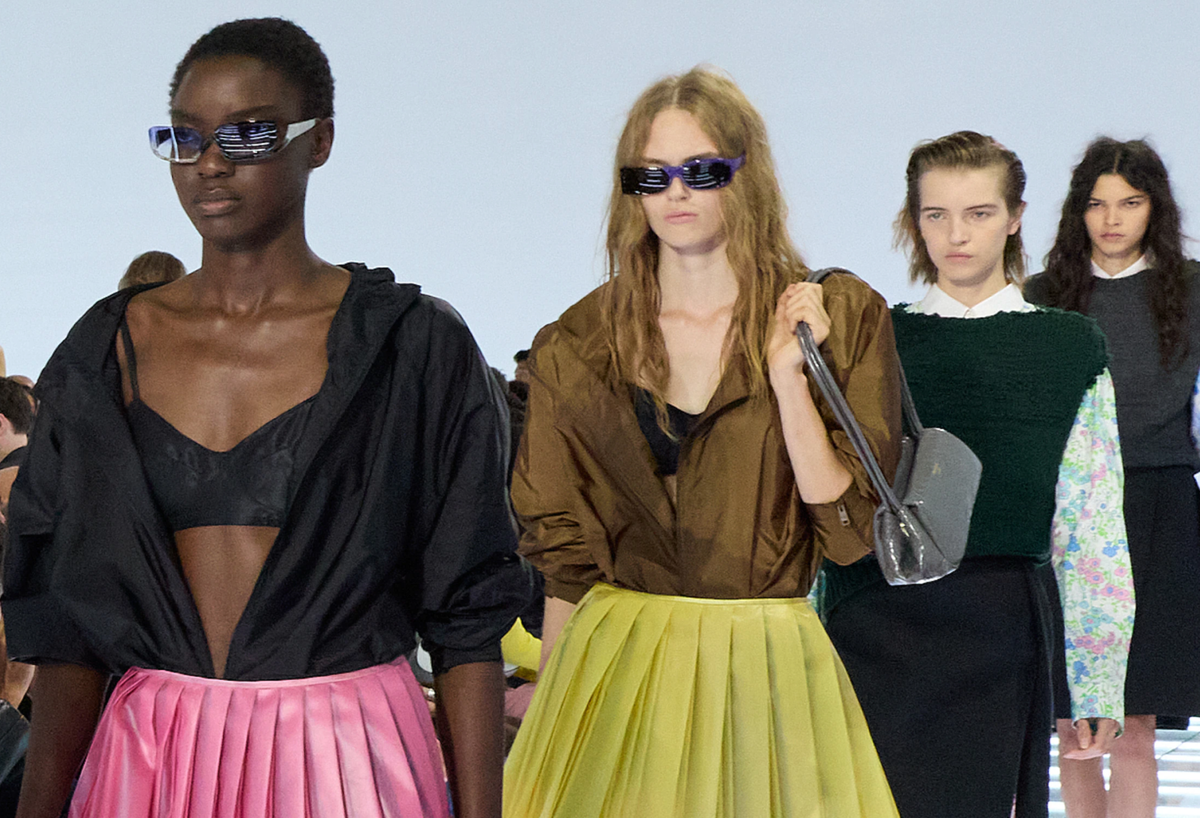
Glenn Martens’ first ready-to-wear collection for Maison Margiela marked a clear consolidation of his vision for the house. Yet his true debut had not been ready-to-wear. As the third creative director, following Martin Margiela and John Galliano, his Artisanal presentation in July 2025 had already established his authority. This Spring/Summer 2026 collection faced a more complex challenge: how to translate Margiela’s archive into a contemporary wardrobe without neutralising its deconstructive spirit. The maison described it as “a series of concepts and proposals for real life”, a phrase that captures the shift precisely. Less atmospheric fantasy, more emphasis on clothing that feels lived-in and grounded.

The setting of the show reinforced this repositioning, in line with the live performance elements that define Martens’ universe. Behind the models, an orchestra of sixty-one children and teenagers performed classical pieces with a deliberate, almost endearing awkwardness. Critics read it as a defence of imperfection. Alexander Fury, writing for AnOther Magazine, described it as “tenderness and irony”, while Harper’s Bazaar highlighted “the joys in getting it wrong”. It was not a minor scenographic detail, but a reminder that Margiela has always resisted perfection as an absolute value.

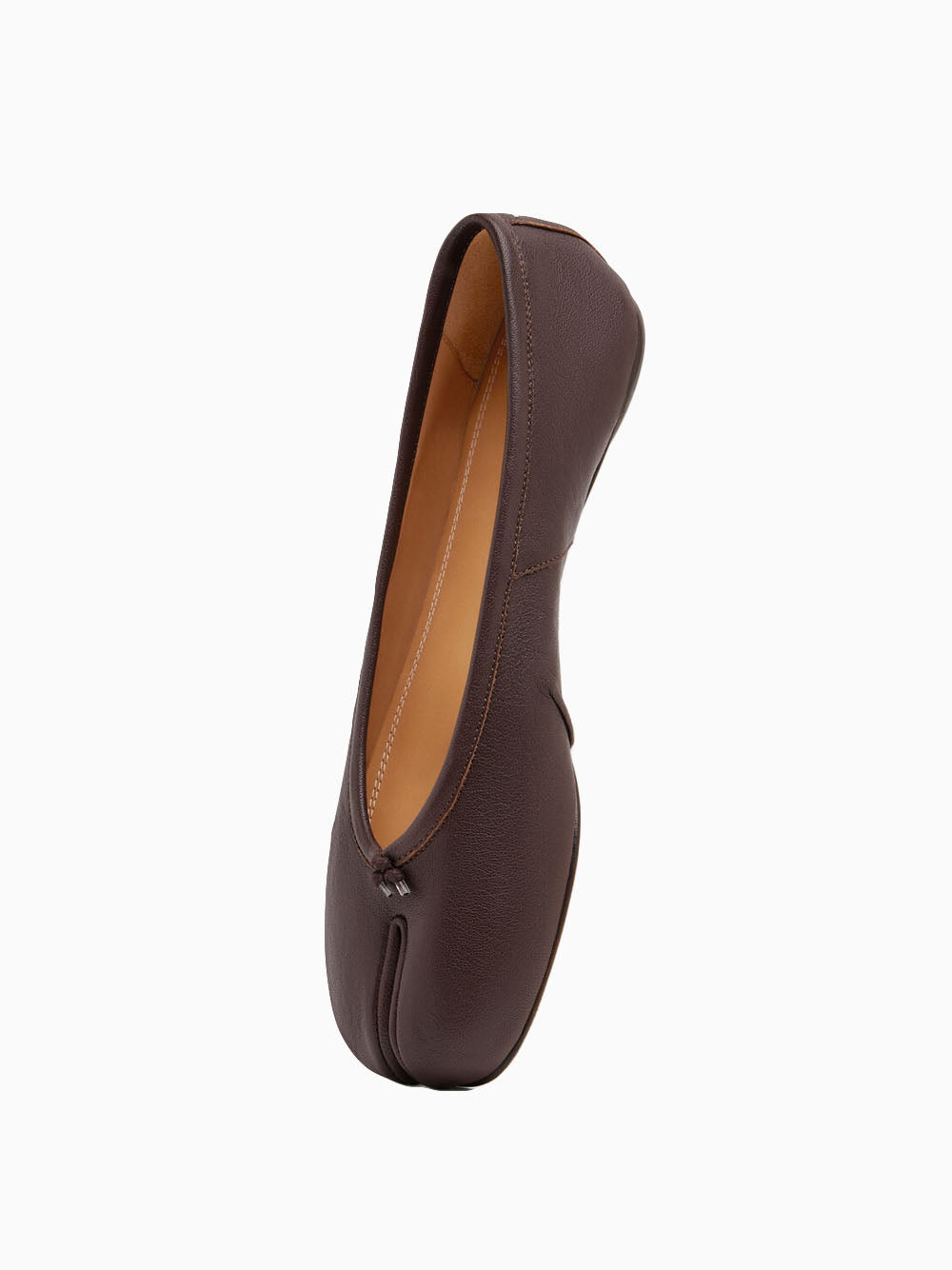
The garments themselves drew from moments of serendipity within the archive and from worn, vintage constructions, almost like found objects. Martens proposed tailoring that felt cut, rounded and displaced. Shoulders opened outward, lapels were segmented, tuxedo-style vests seemed to dissolve, and ultra-low rises extended the torso into something unfamiliar. Slip dresses were held together with tape, floral dresses appeared altered as if shaped by time, and coated surfaces echoed ideas first explored in his Artisanal collection. Alongside these, key house codes resurfaced, from heel-less shoes to the Tabi Claw, as well as the more controversial mouthpieces referencing Margiela’s signature four stitches.

Perhaps the most compelling aspect was the return to Martin Margiela’s original intention. As noted by WWD, Martens aimed “to create clothes that people want to live in”. That idea took form through modular pieces, such as the cardijacket, designed for movement and daily use. His deconstruction did not erase masculine or feminine silhouettes, but allowed them to exist more freely, shaped by their natural lines rather than imposed structure.

Maison Margiela Fall/Winter 2026/27 in Shanghai

His third collection for Maison Margiela was presented in Shanghai in April 2026, marking a new chapter for the house. By stepping away from Paris and merging ready-to-wear with Artisanal in a single setting, Martens transformed the show into something more deliberate: a statement on what it means to lead a maison with such a revered archive, a distinct language and a global cultural weight. In conversation with Nicole Phelps on The Run-Through with Vogue, he described it directly as a “highly institutional” moment. For him, it was an opportunity to foreground the house’s most foundational codes, from the bianchetto technique to the idea of anonymity, the Tabi, and the broader concept of Artisanal, expressed both through the collection and through a series of actions across different cities in China. Anonymity, in particular, was made visible through the use of masks covering the models’ faces, a recognisable Margiela gesture that shifts focus from the individual to the garment.
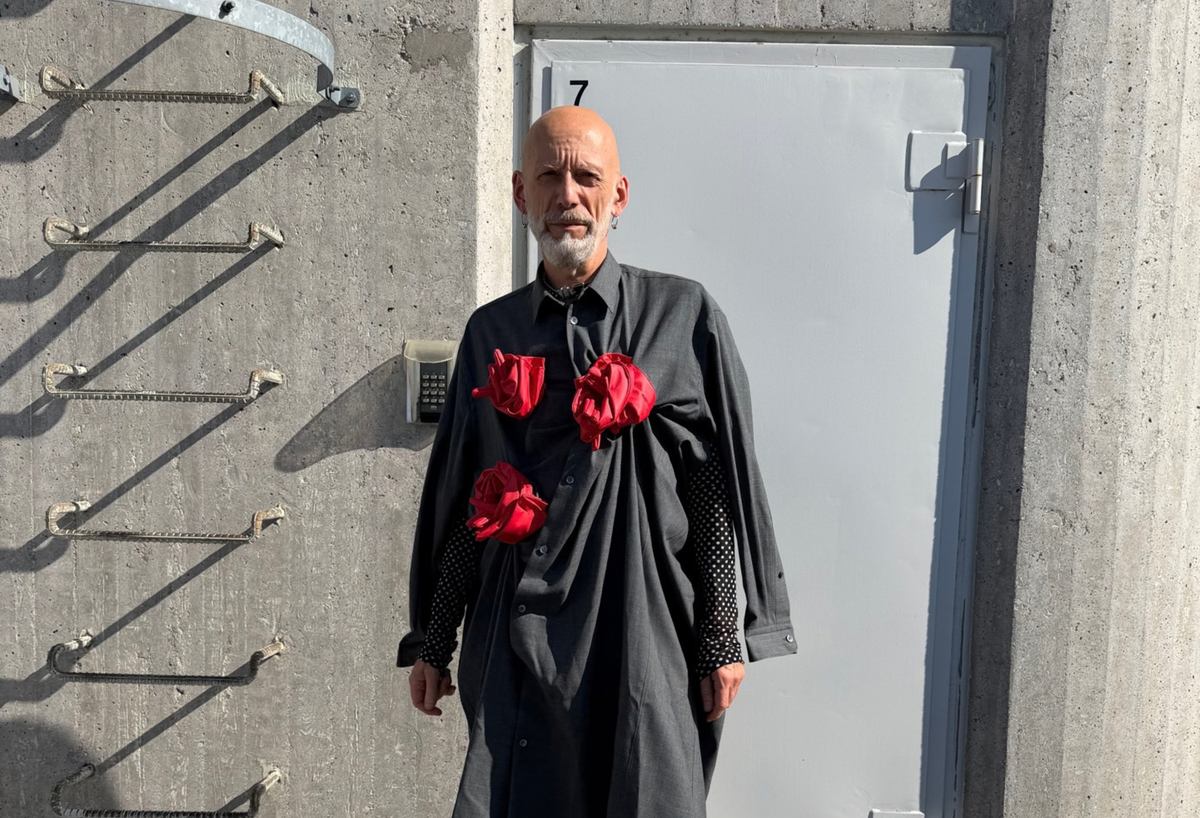
The context carried as much weight as the collection itself, in line with Margiela’s long-standing ethos. The show took place at a container loading dock on the outskirts of Shanghai, an industrial setting that resonates with Martens’ own visual language. This choice aligns with Margiela’s history of favouring spaces outside the traditional fashion system. Harper’s Bazaar described it as a “cultural relocation”, a deliberate repositioning of the maison’s codes within a city that embodies the current speed of fashion, yet remains detached from its conventional structures. This gesture extended beyond the runway through a broader programme of exhibitions and activations, effectively positioning China as a temporary host for the Margiela universe.

Within the collection, Martens developed an idea he had already begun to explore: returning the maison to what he described to WWD as “the original ways of thinking”. The starting point lay in found objects and the possibility of discovering beauty within the discarded. From this emerged Edwardian porcelain dolls, wax-coated dresses, surfaces treated with bianchetto, gilded finishes that wore away with movement, fragments of historical tapestry and garments that seemed to retain the physical memory of previous lives. Porcelain, as a cultural symbol of China, appeared naturally throughout, introduced as a fragile, almost dreamlike material.

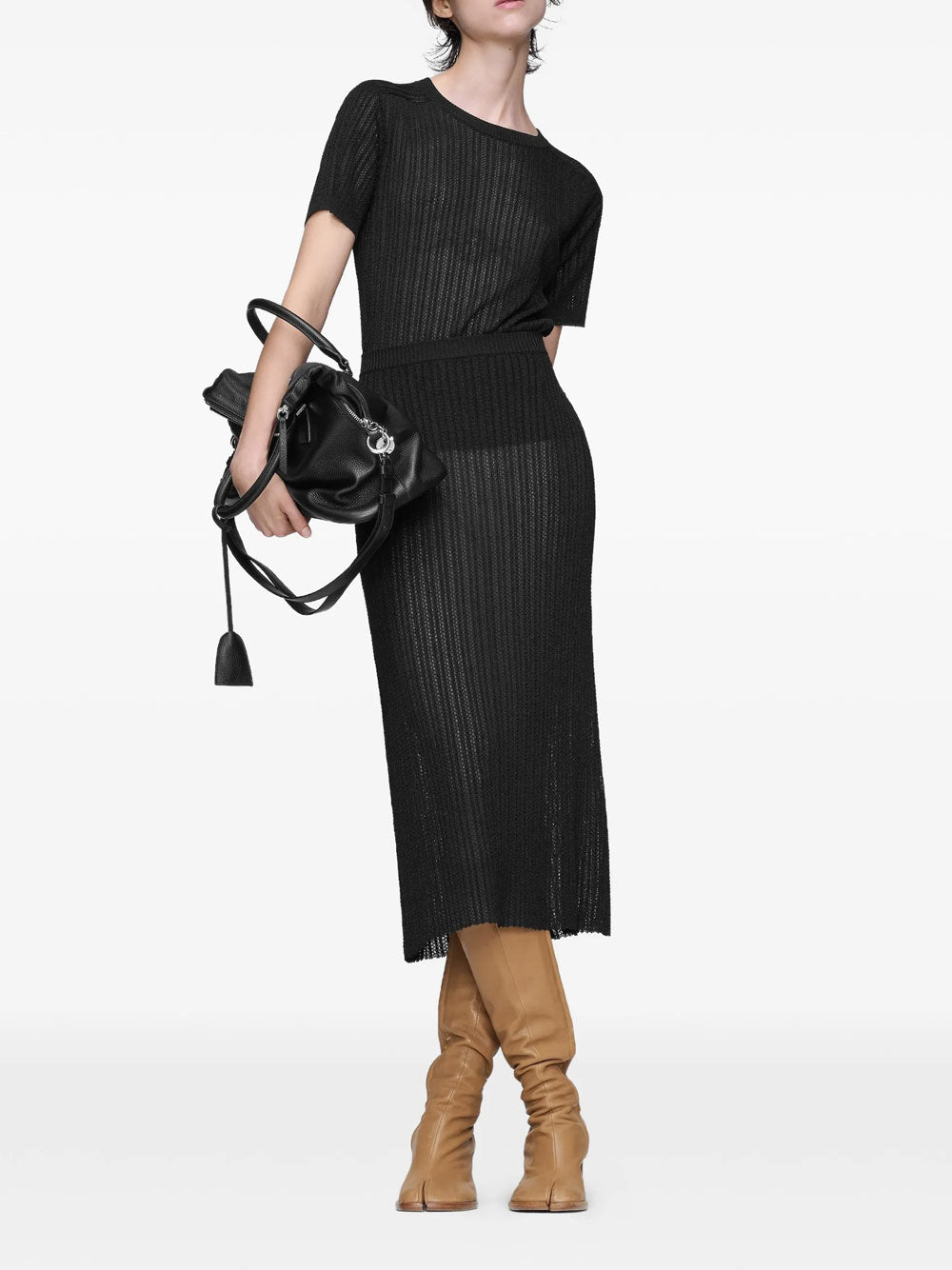
Shop the look

Shop the look

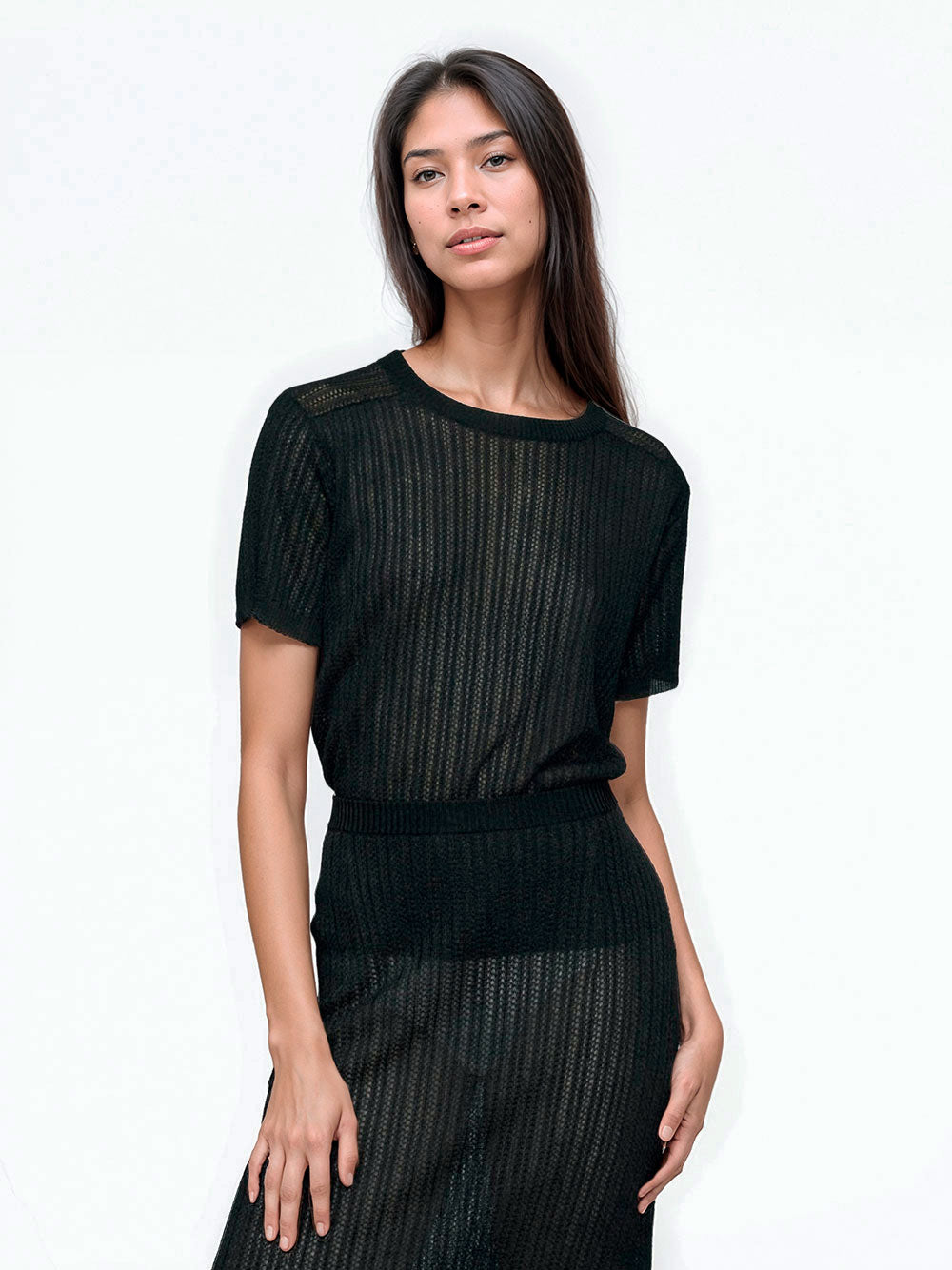
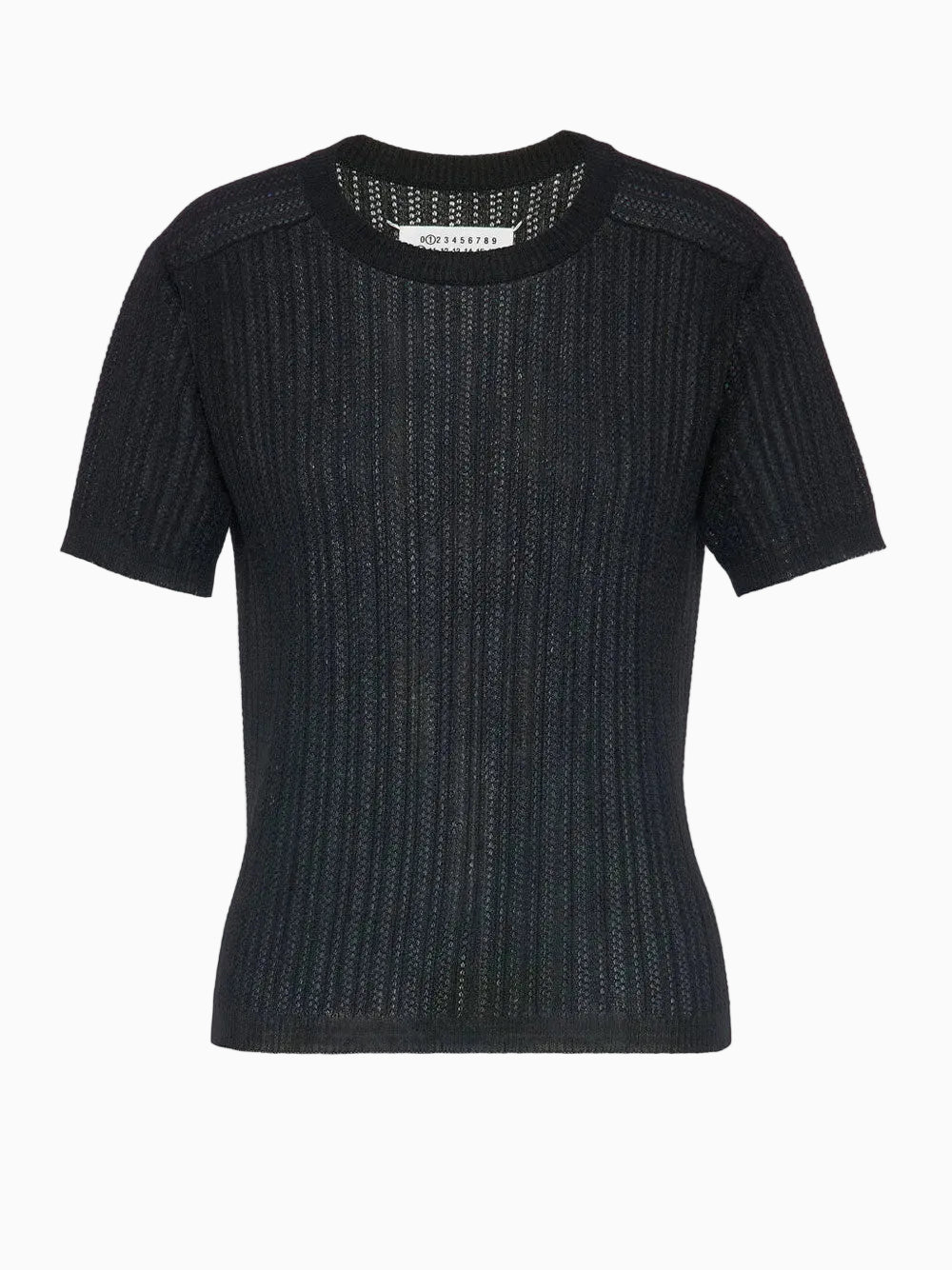
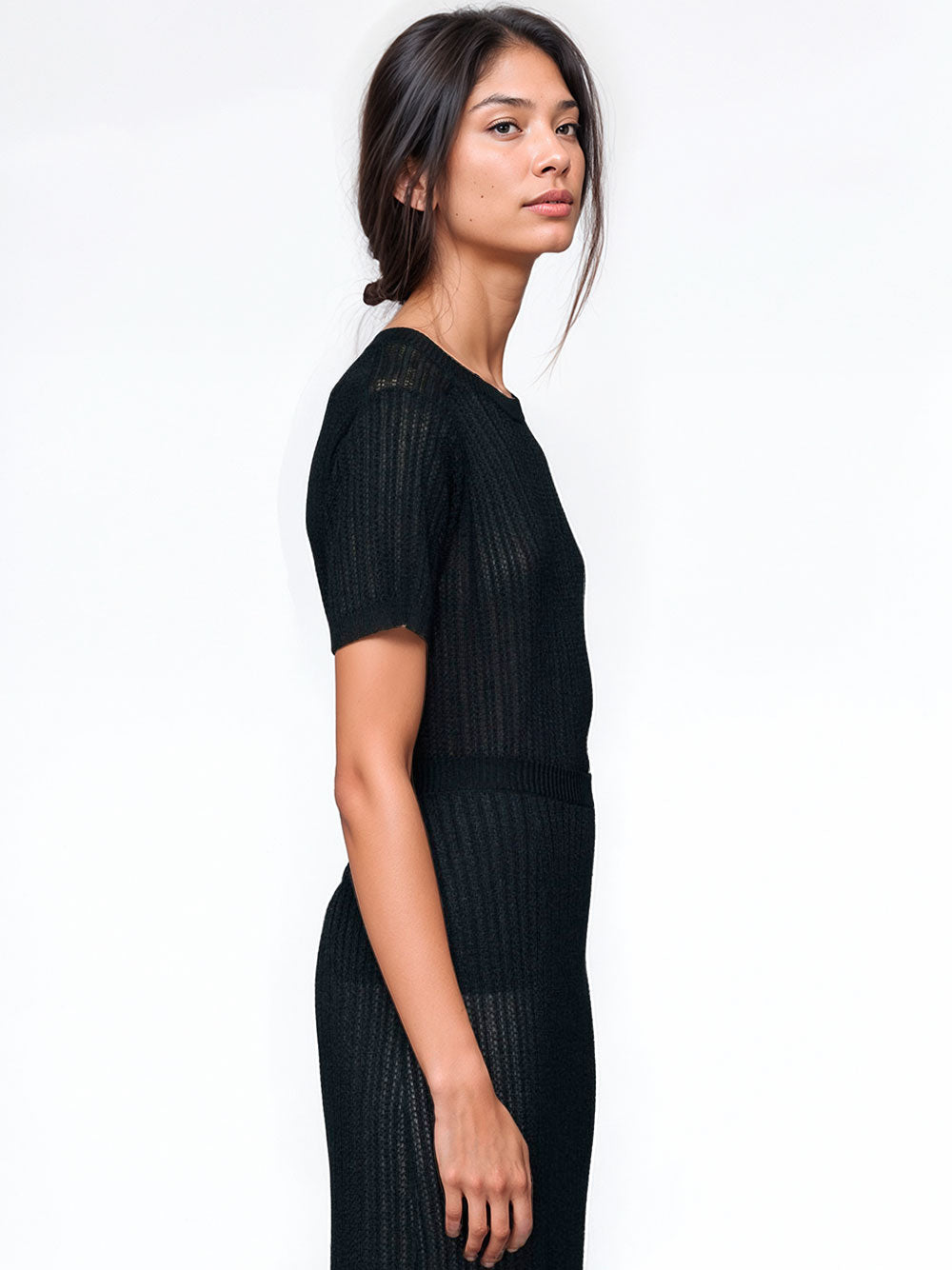
Knit topKnit topKnit top
Sale price990 €
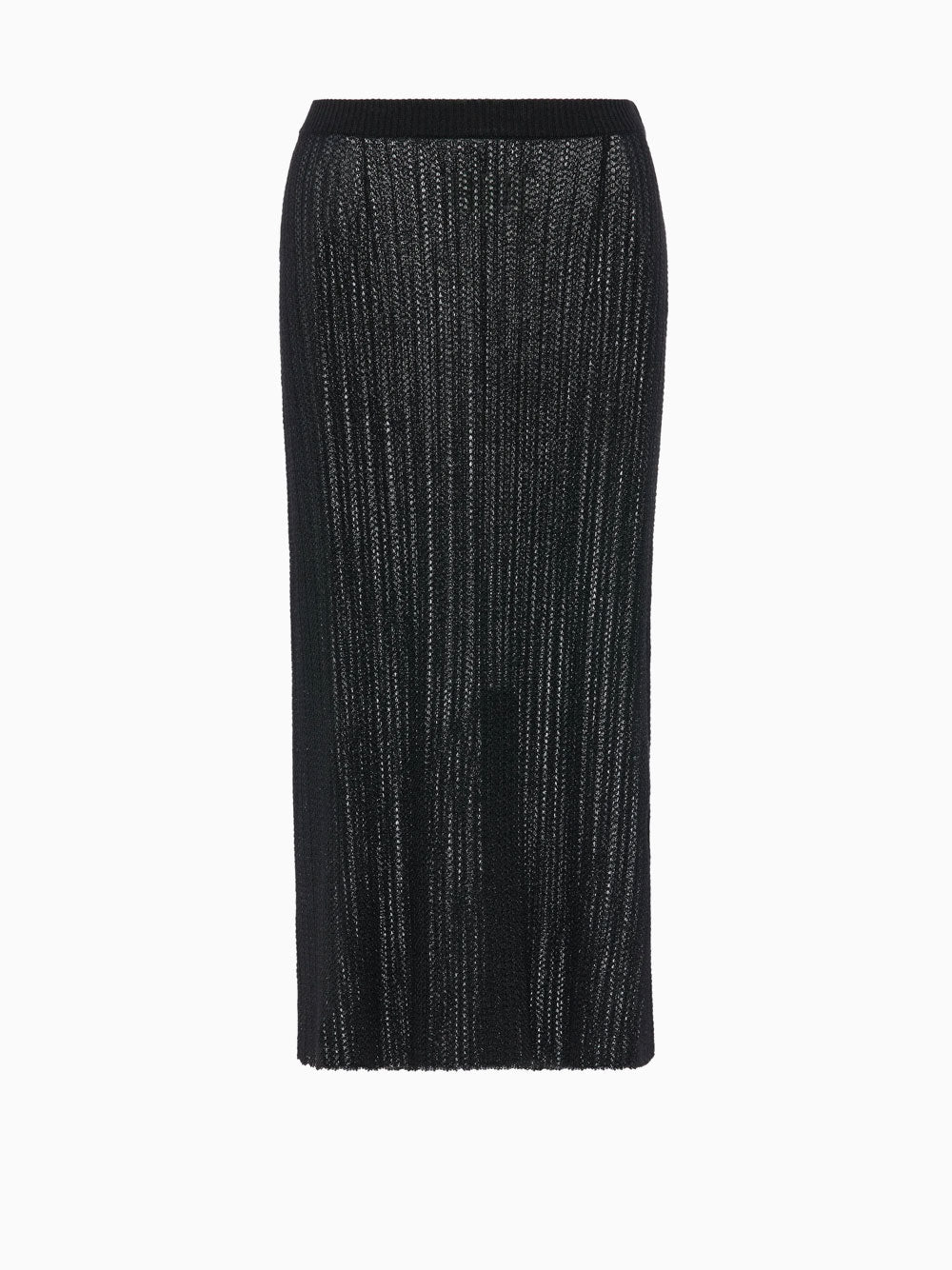
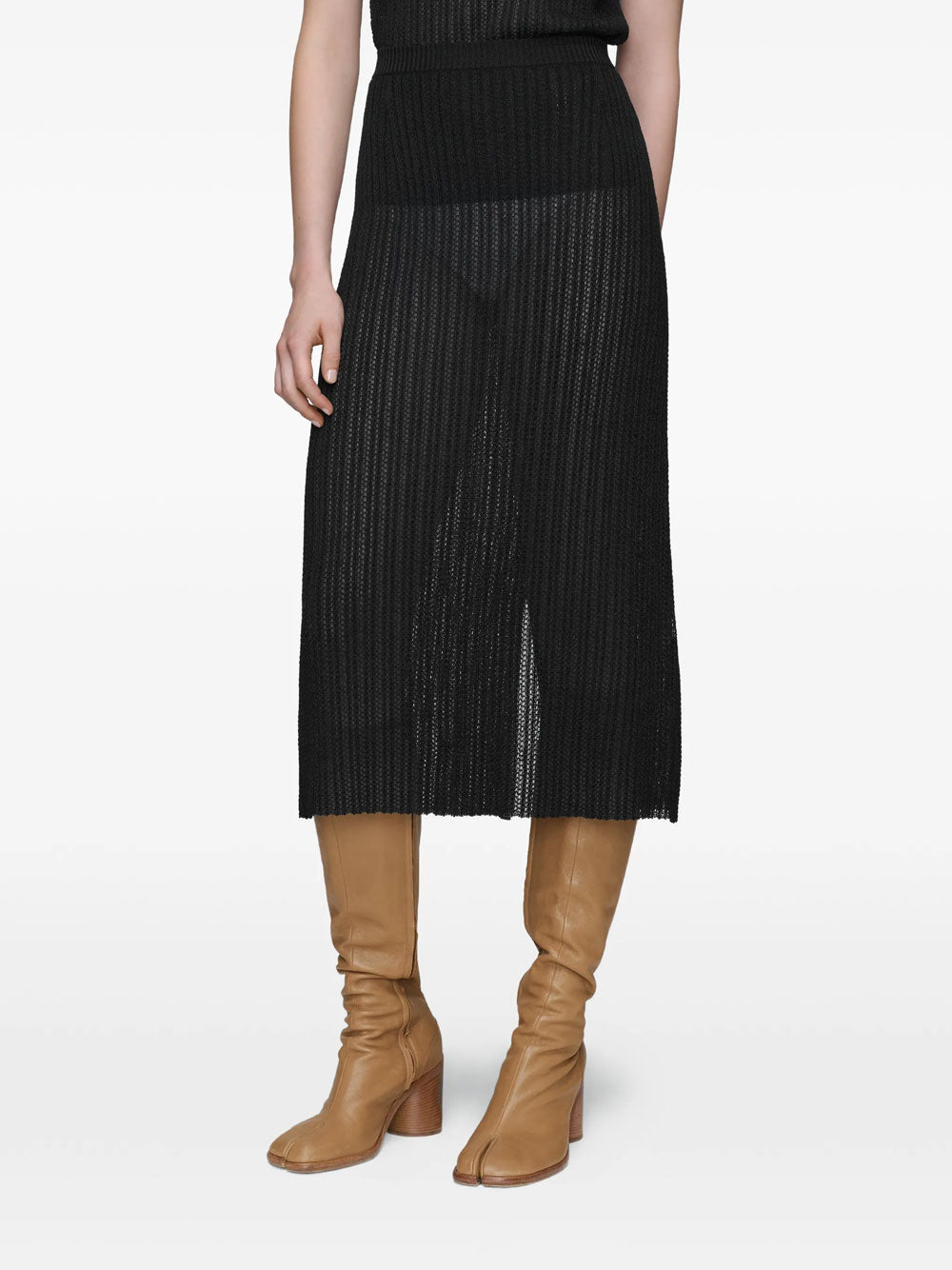
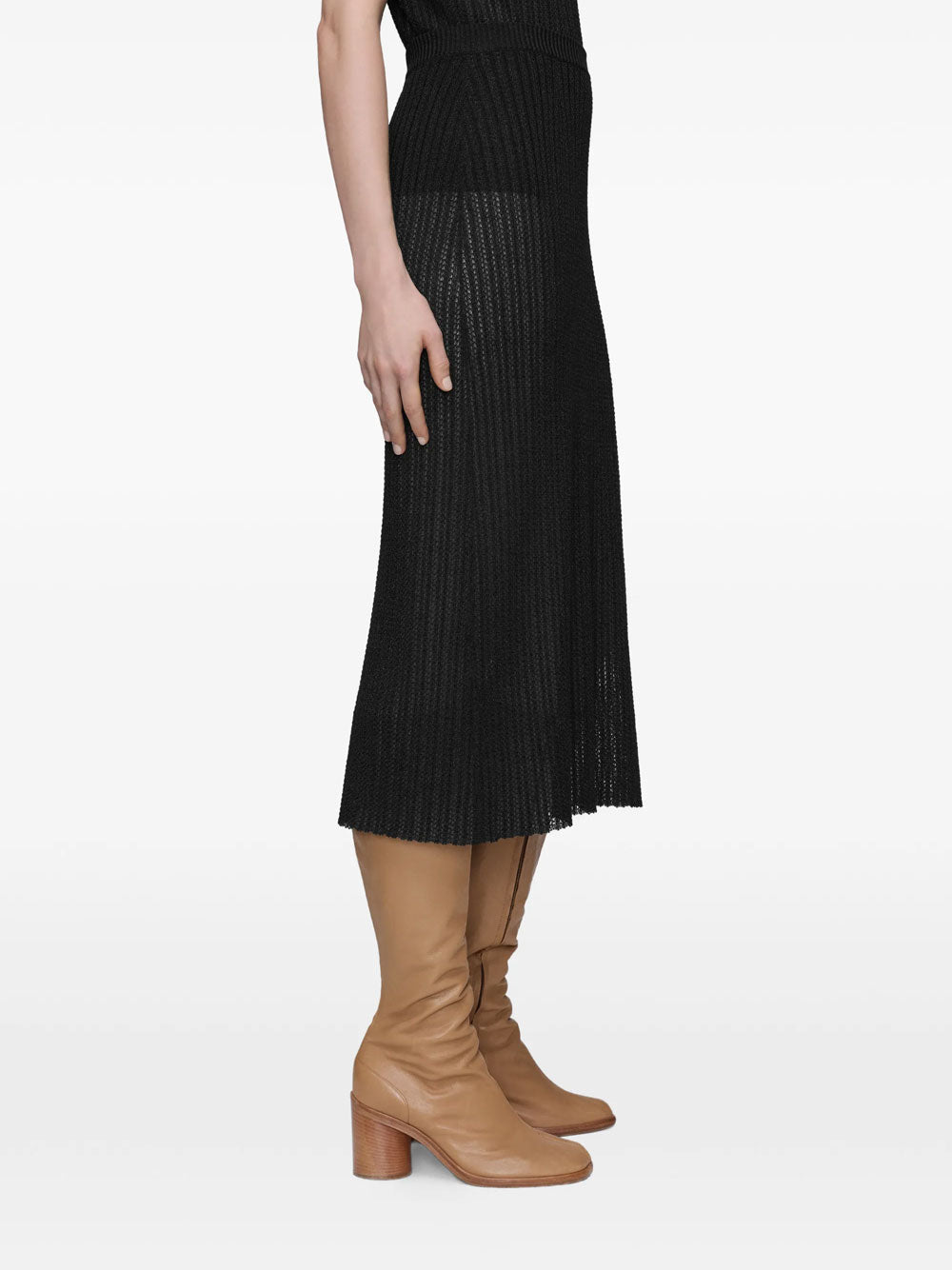
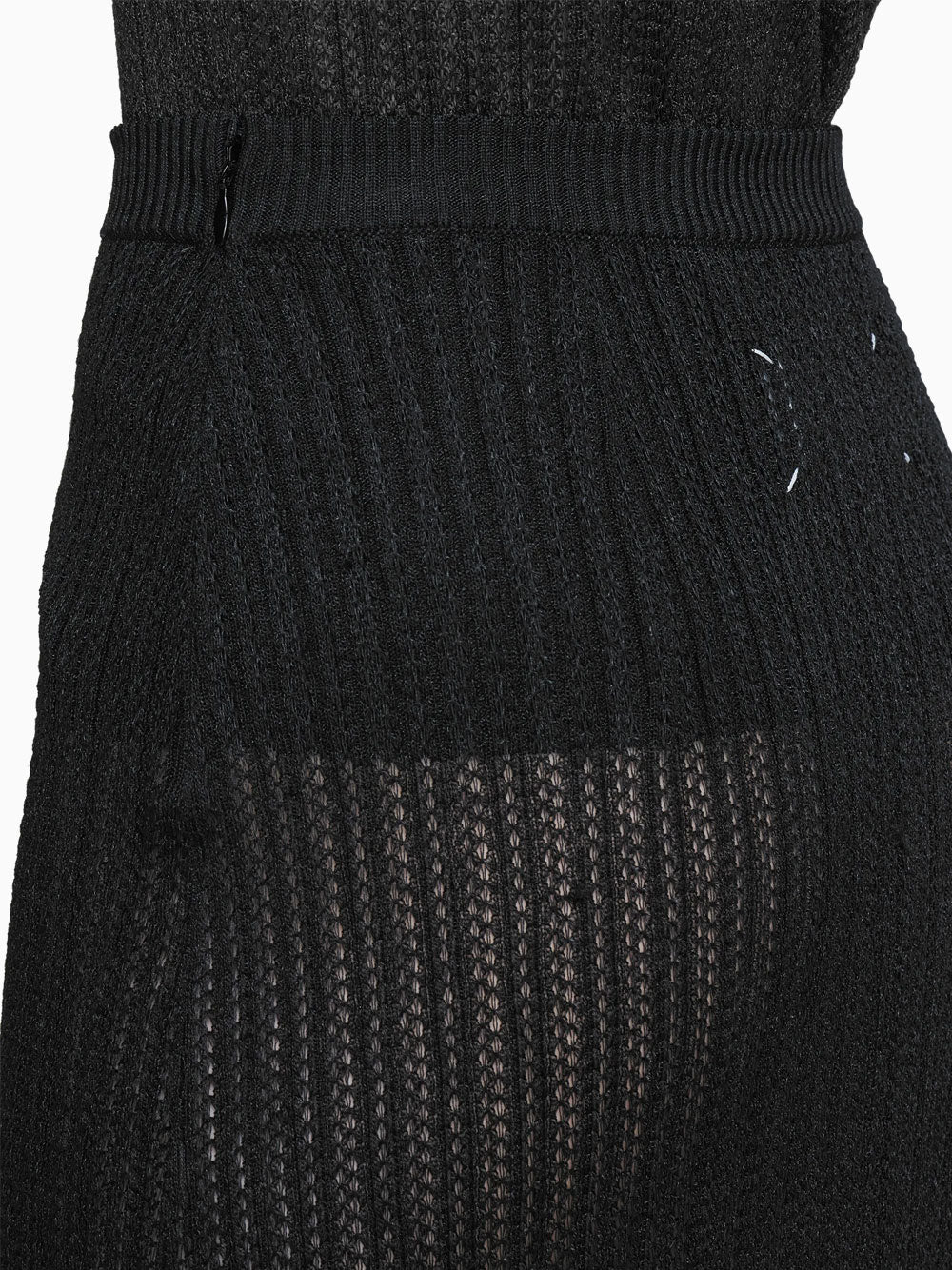
Midi skirtMidi skirtMidi skirtMidi skirtMidi skirt
Sale price990 €
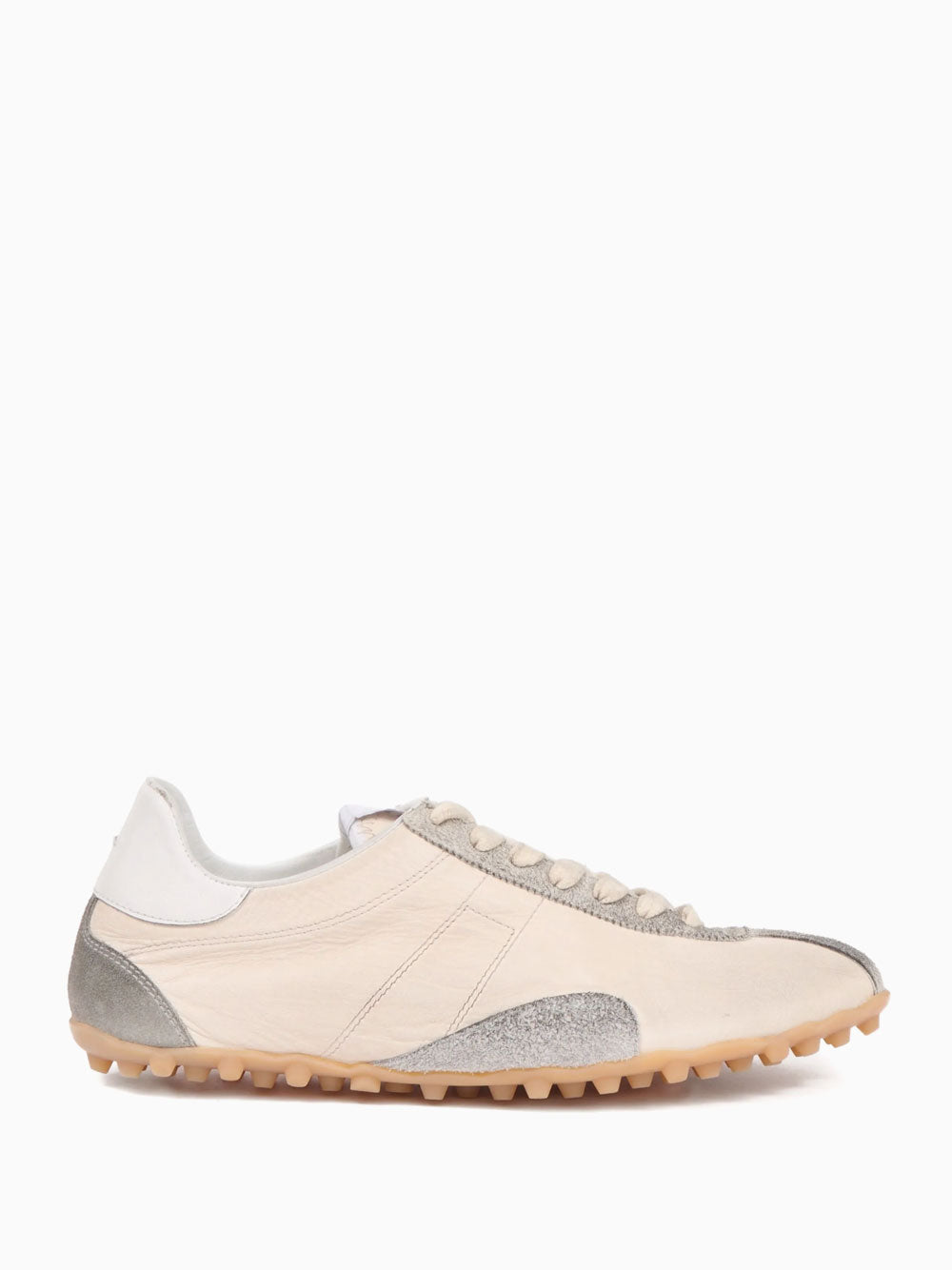
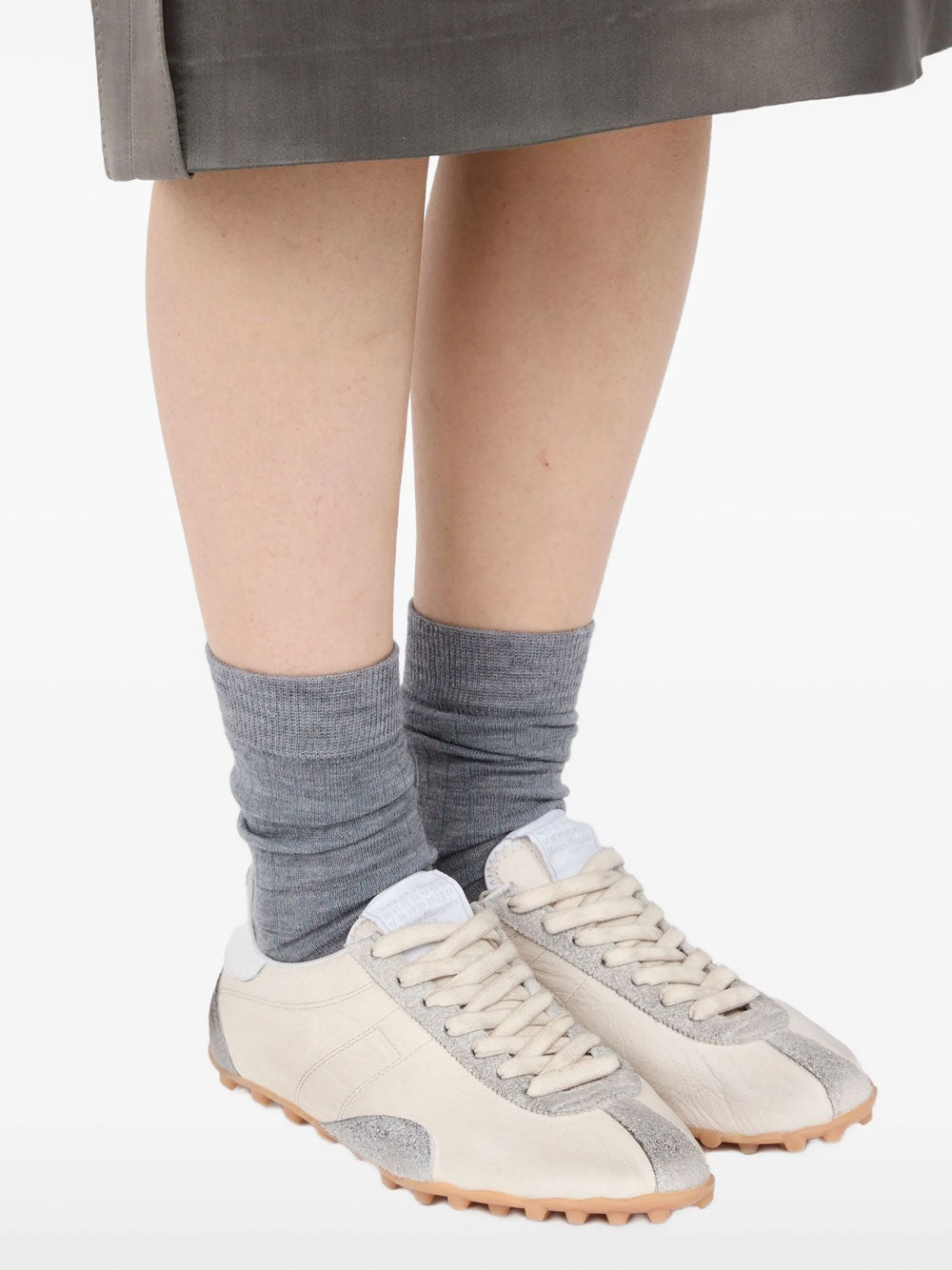
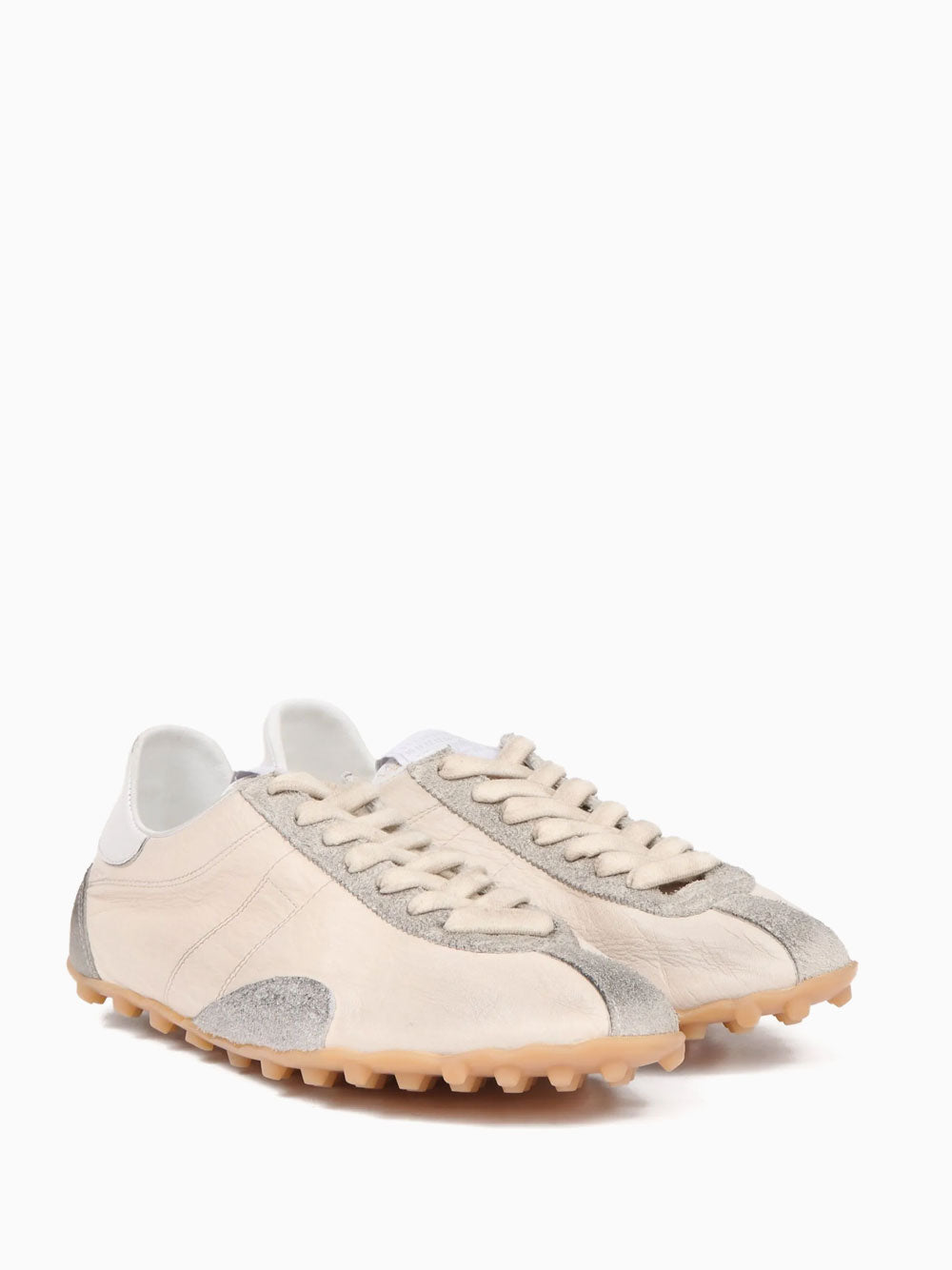
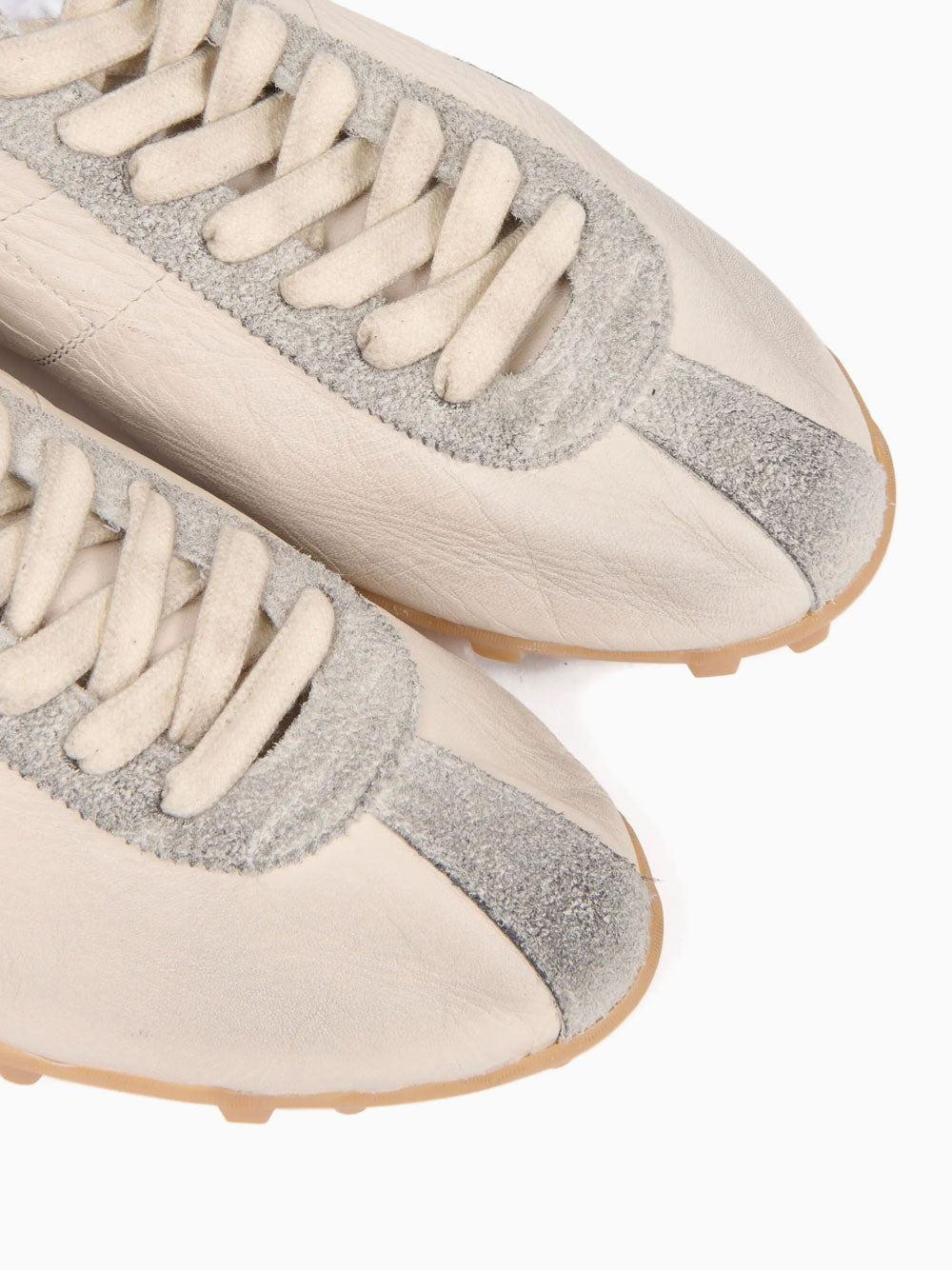
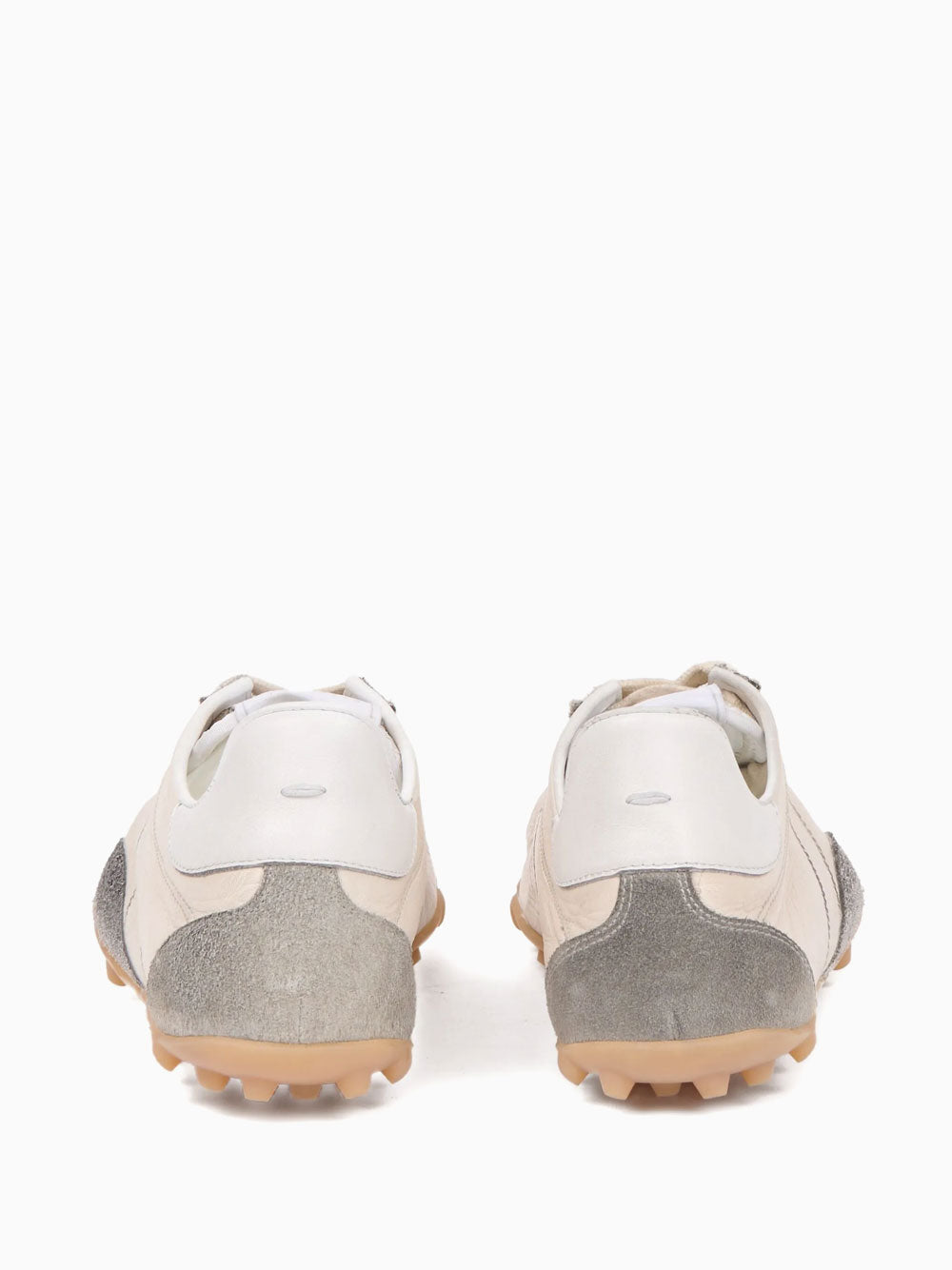
Sprinters sneakersSprinters sneakersSprinters sneakersSprinters sneakersSprinters sneakers
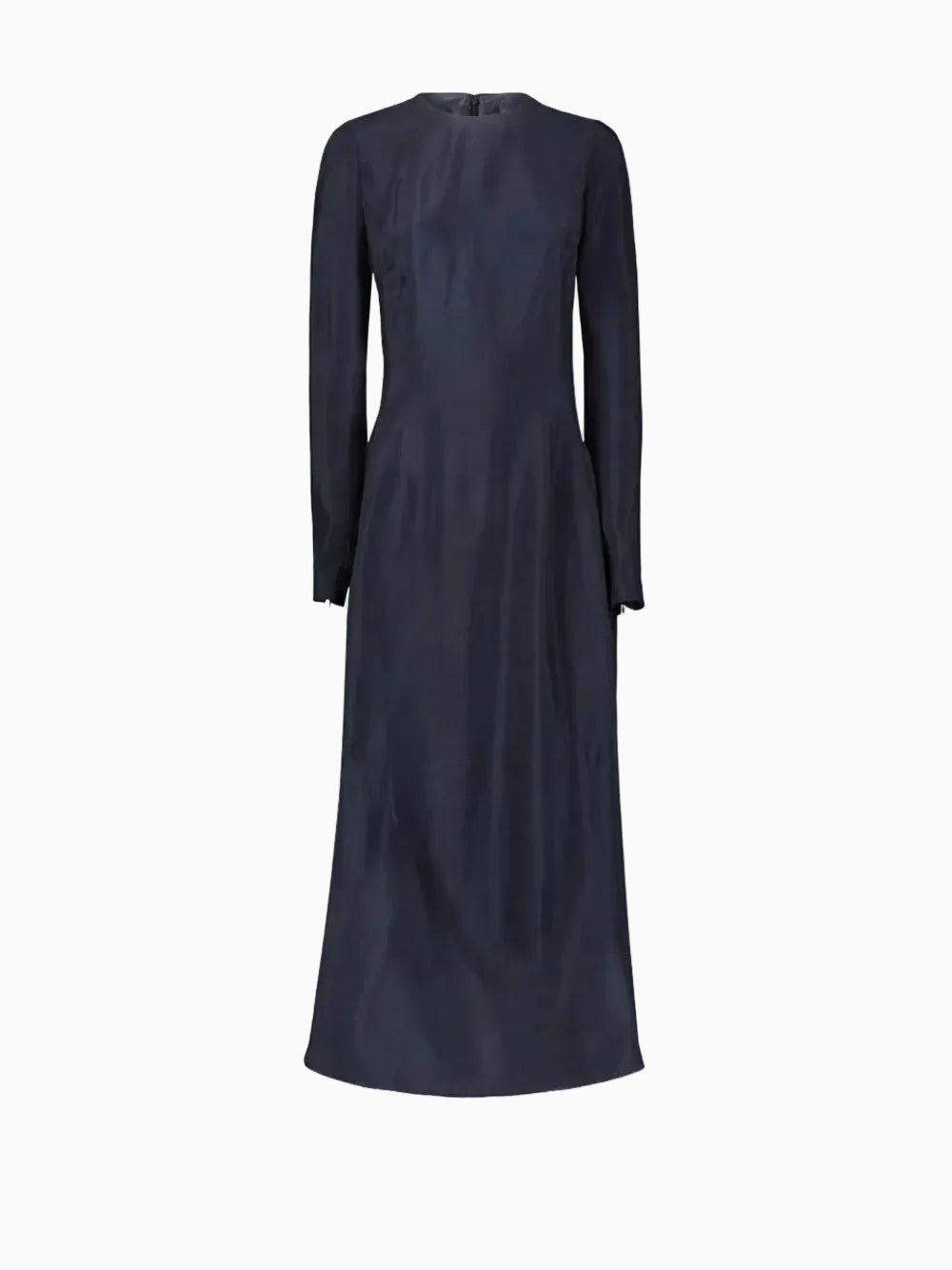
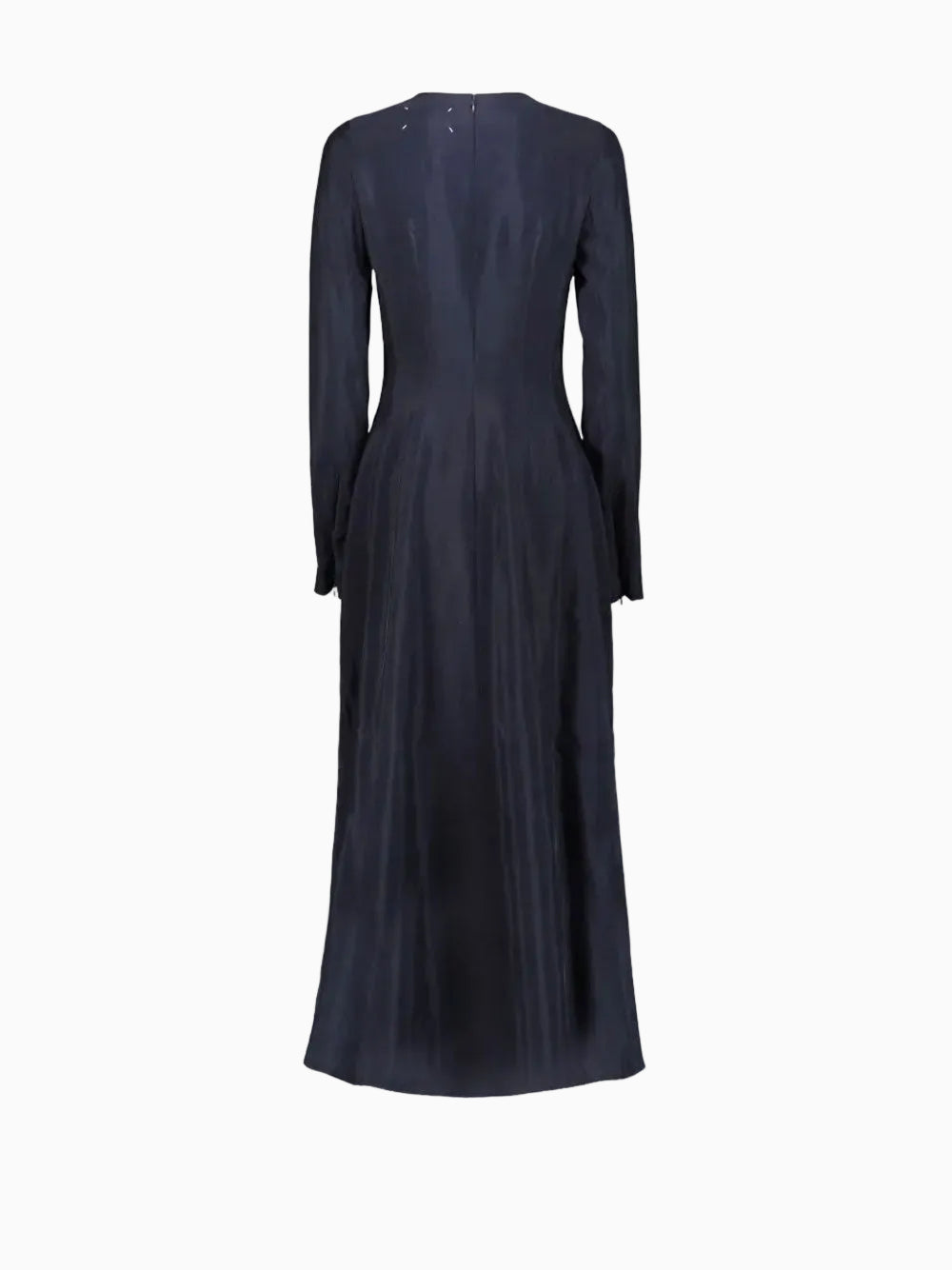
Long dressLong dress
Sale price1.900 €
Knit topKnit topKnit top
Sale price990 €
Midi skirtMidi skirtMidi skirtMidi skirtMidi skirt
Sale price990 €
Sprinters sneakersSprinters sneakersSprinters sneakersSprinters sneakersSprinters sneakers
Long dressLong dress
Sale price1.900 €
View product
Join the conversation in our socials