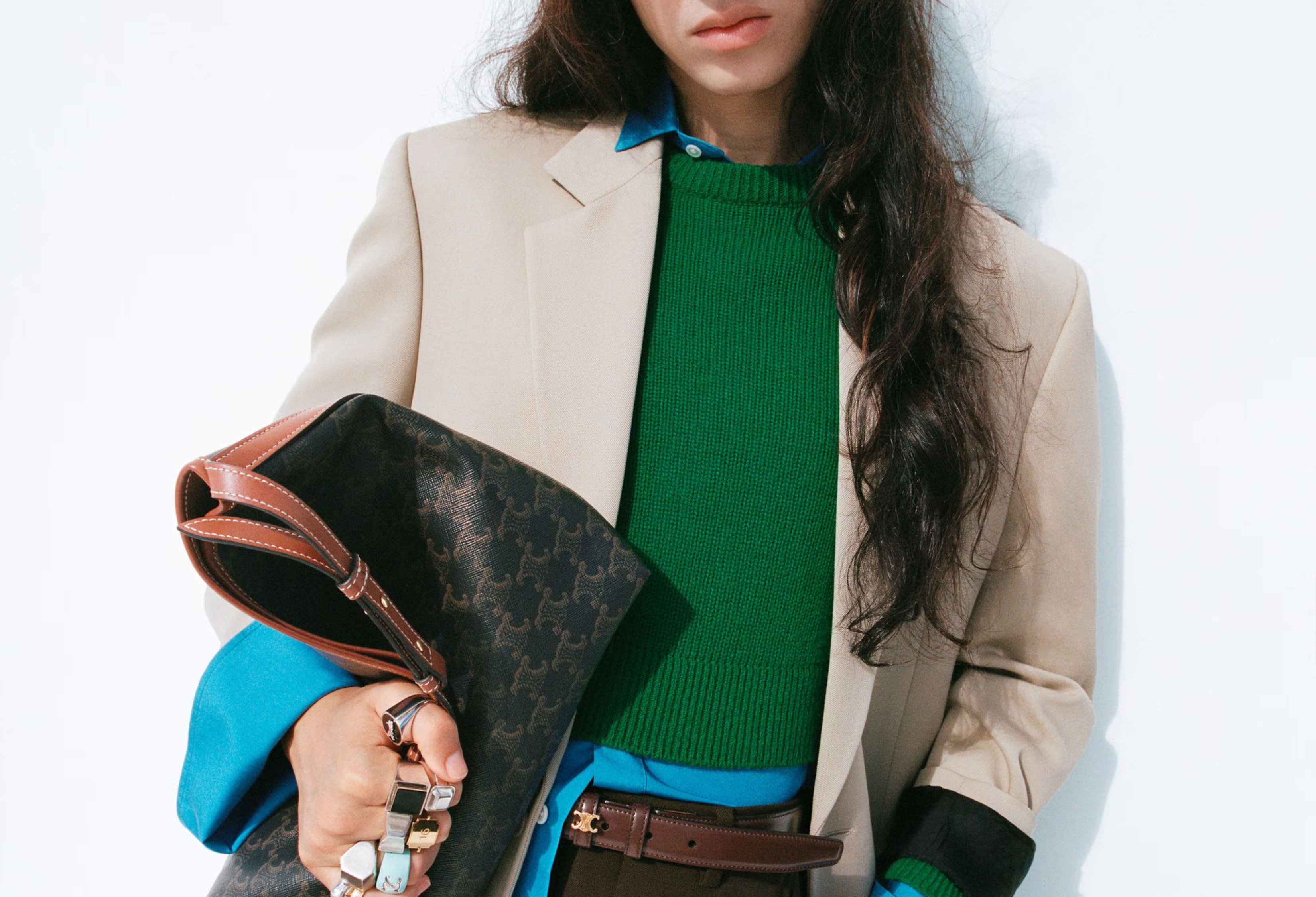
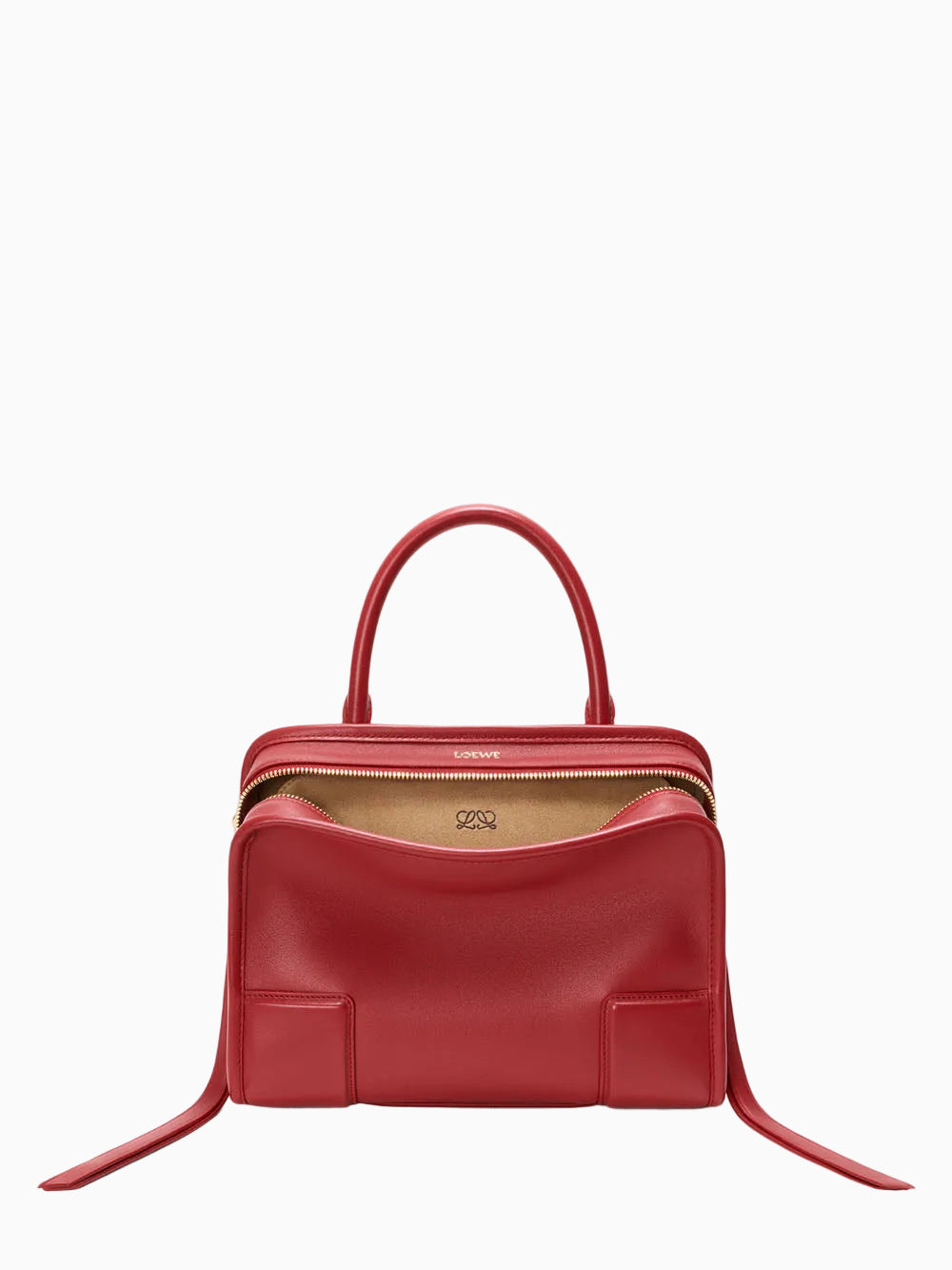
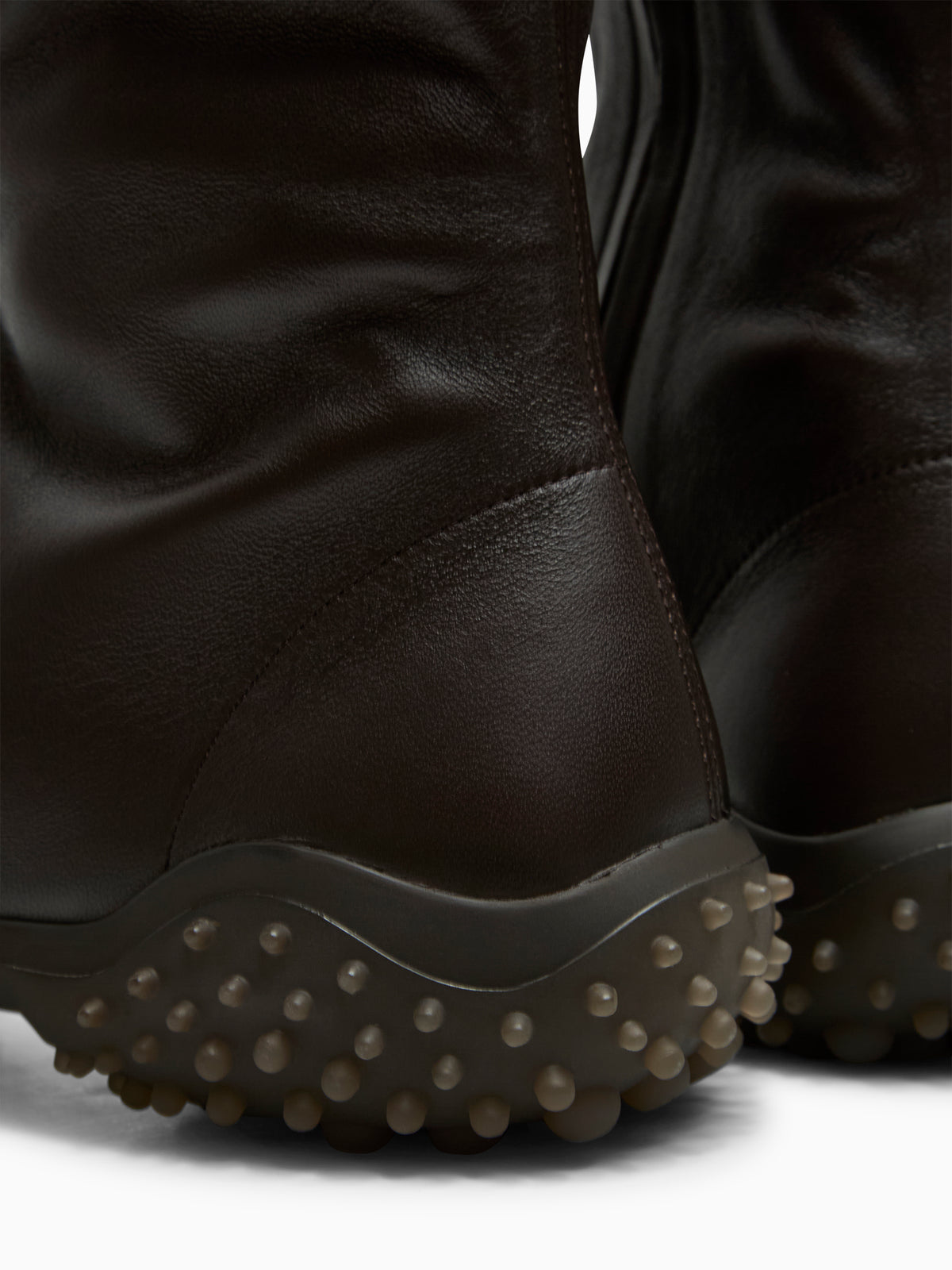
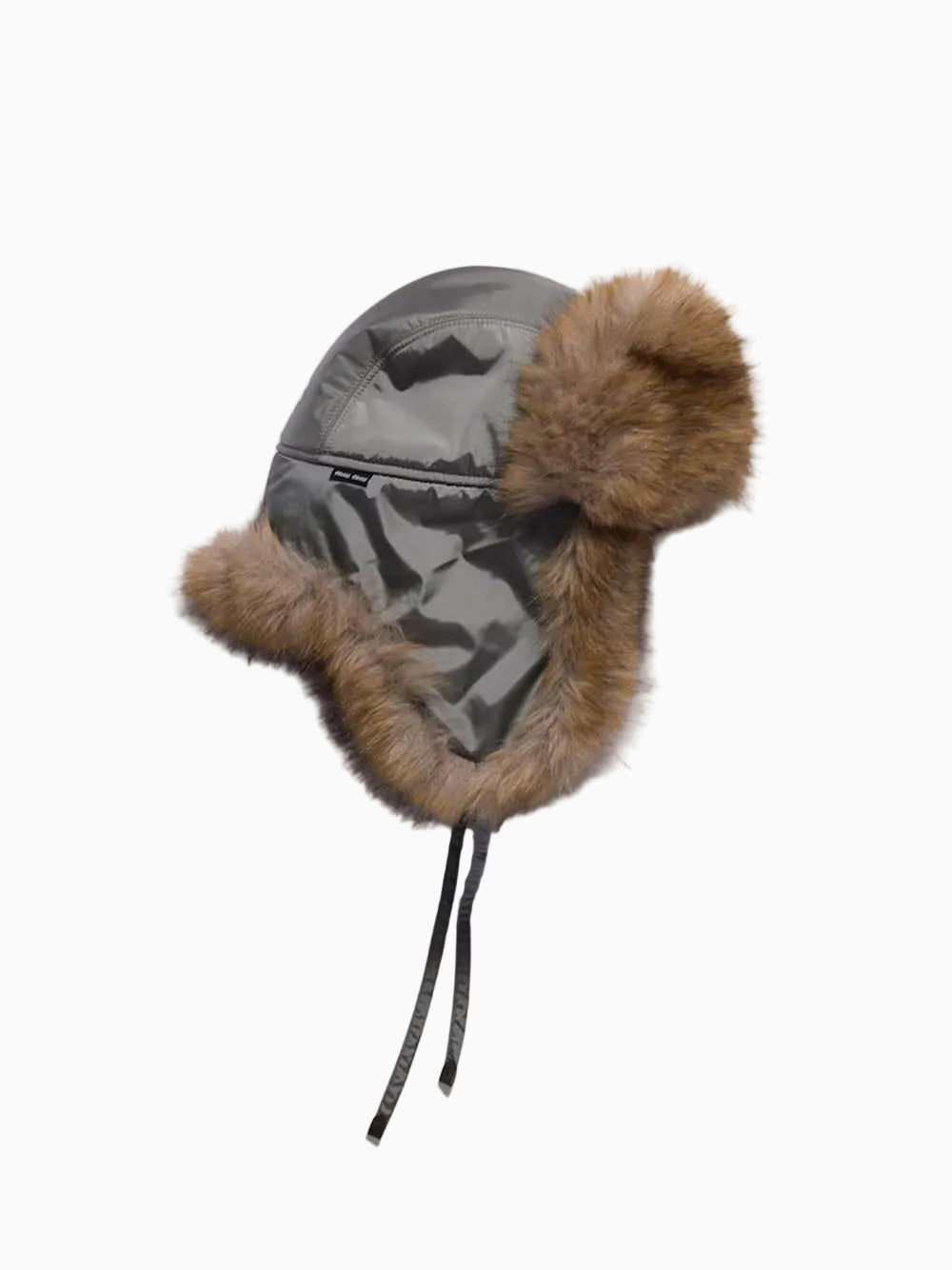
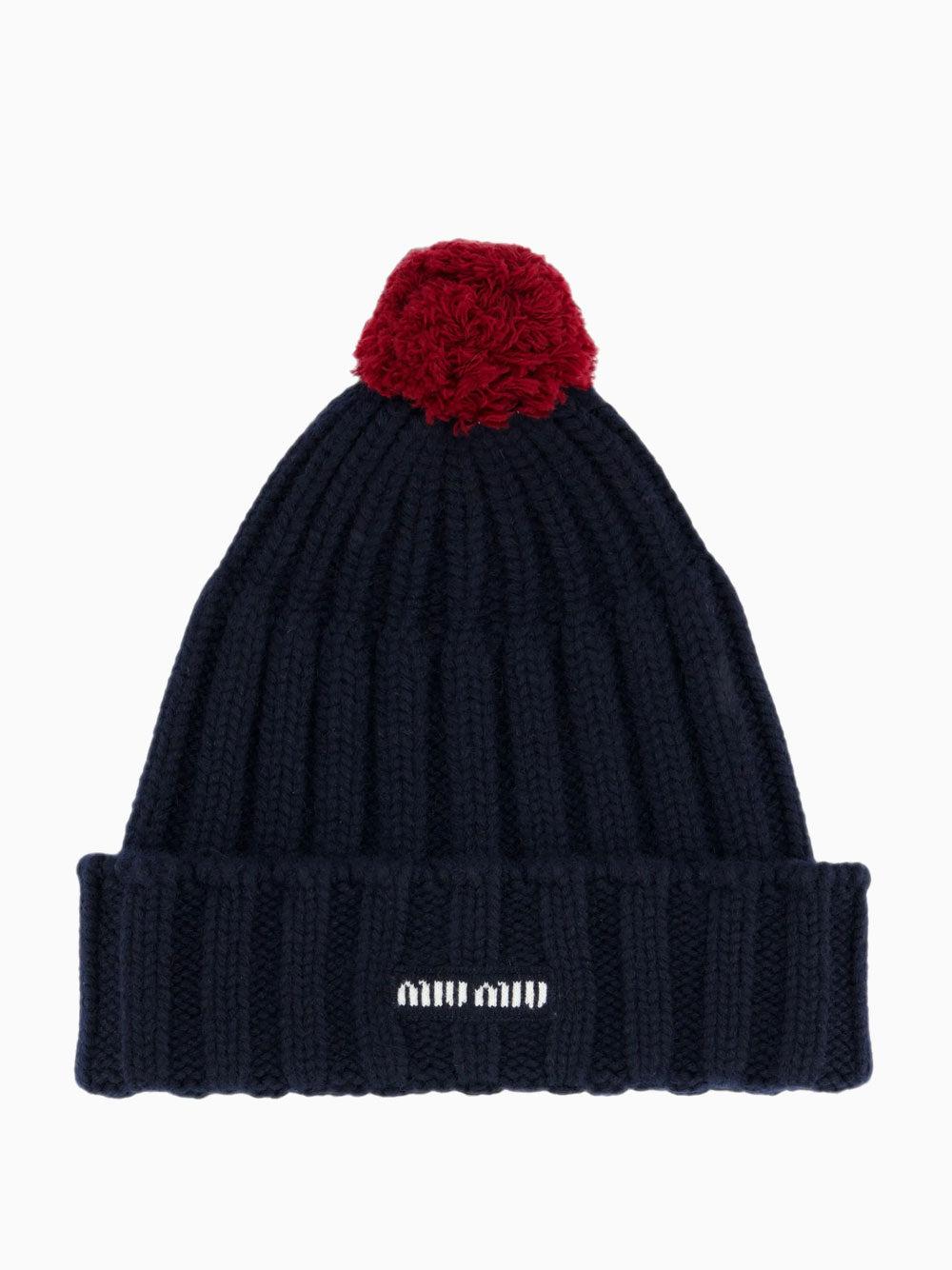
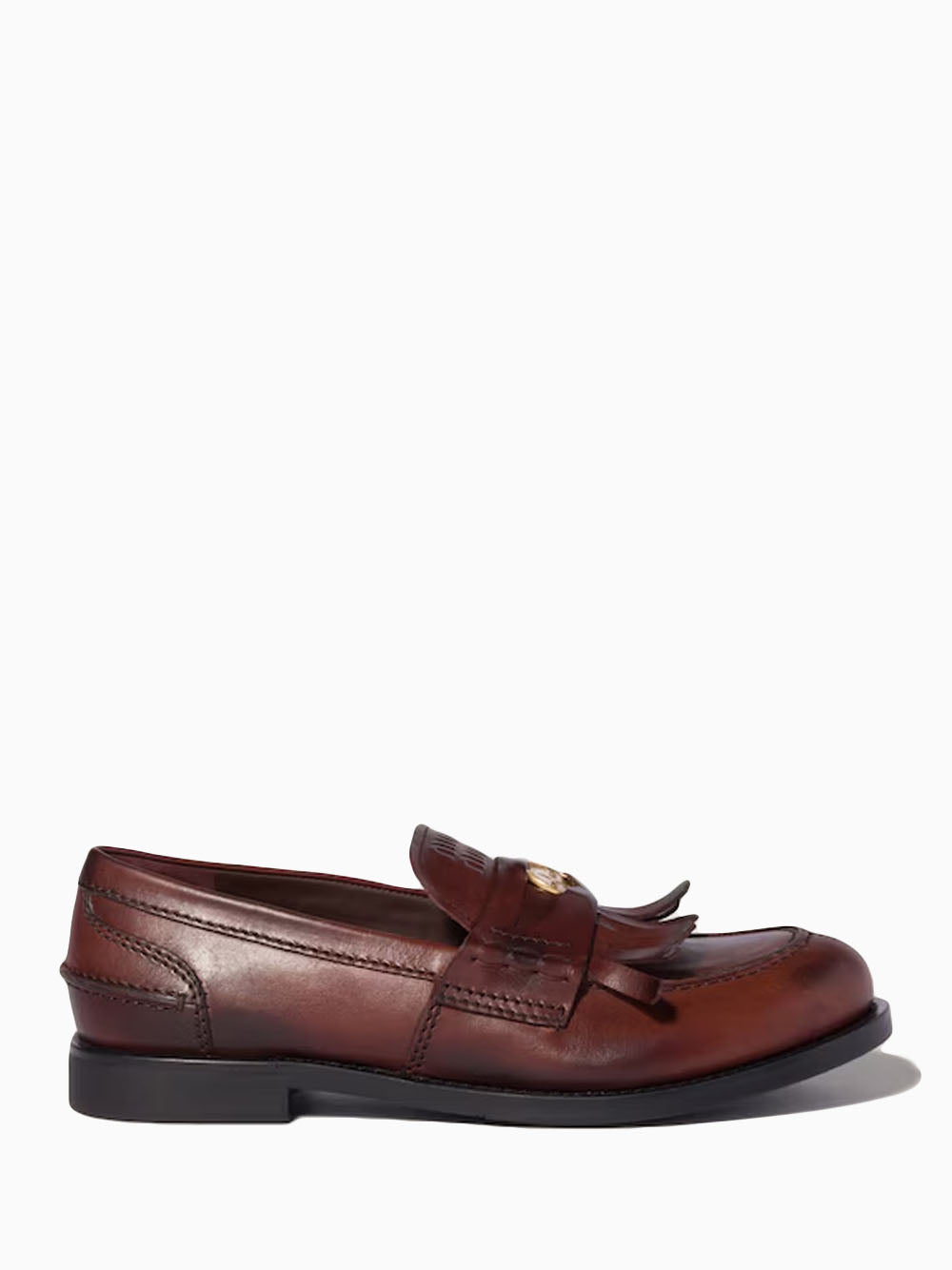
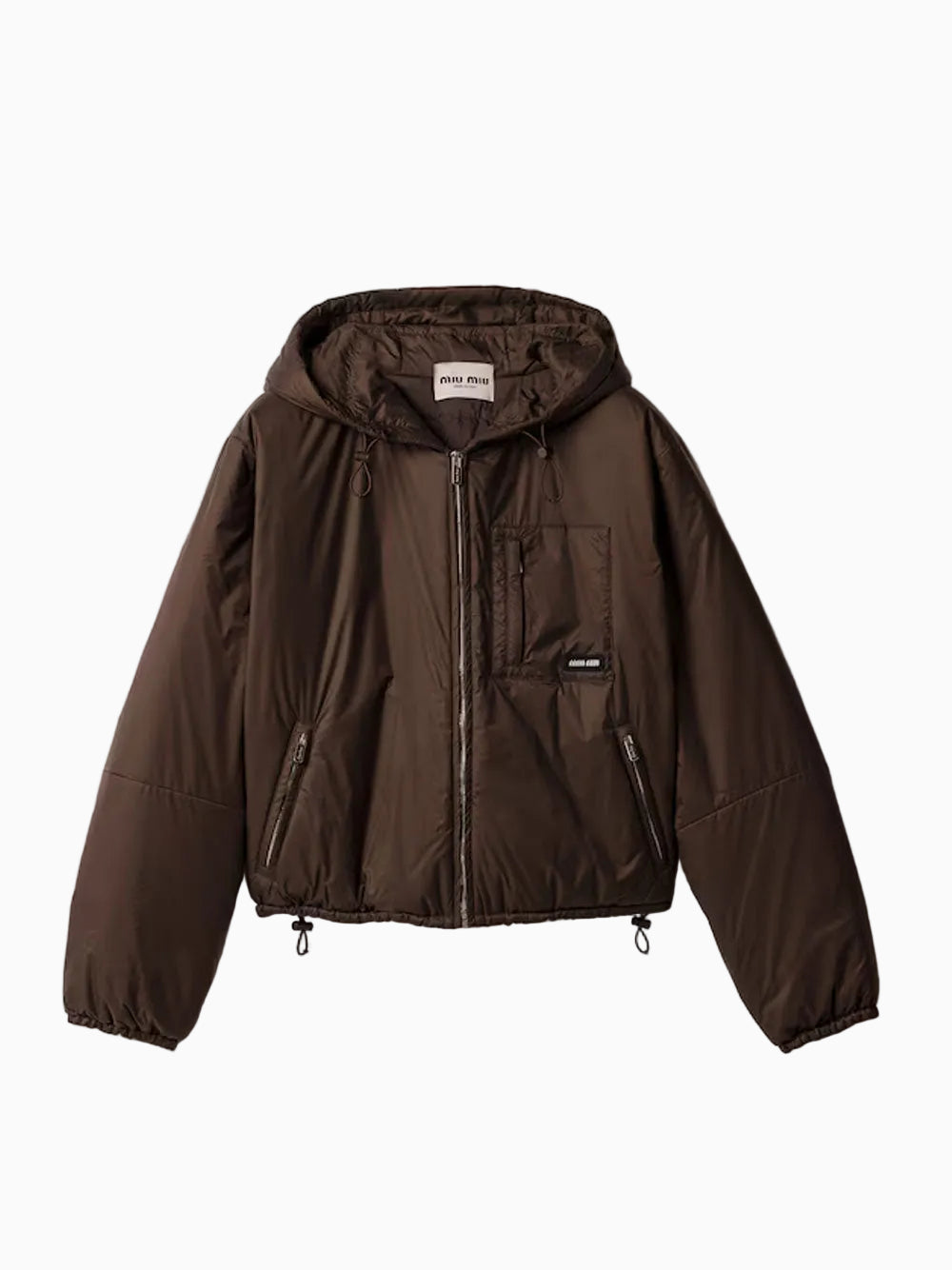
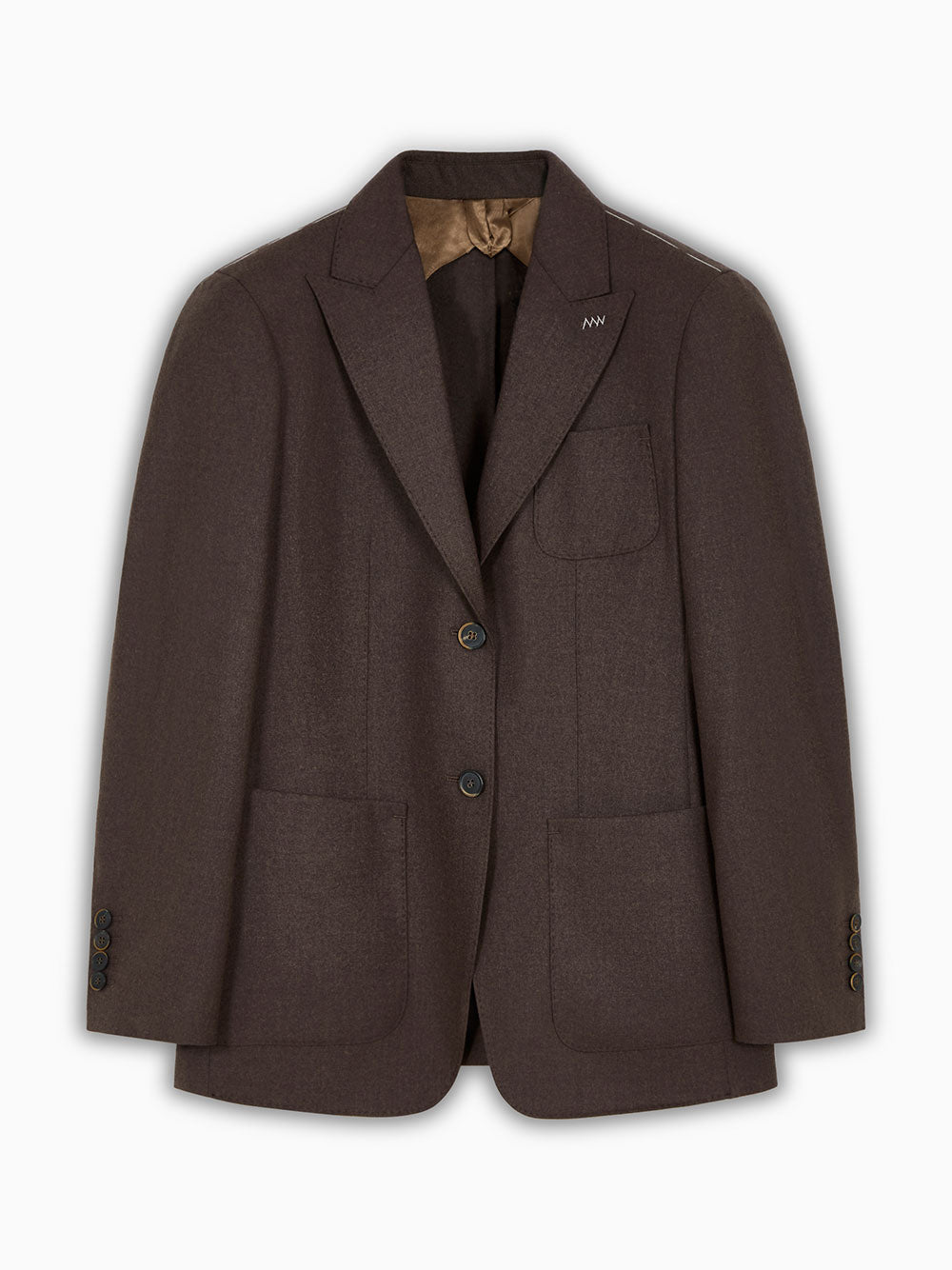
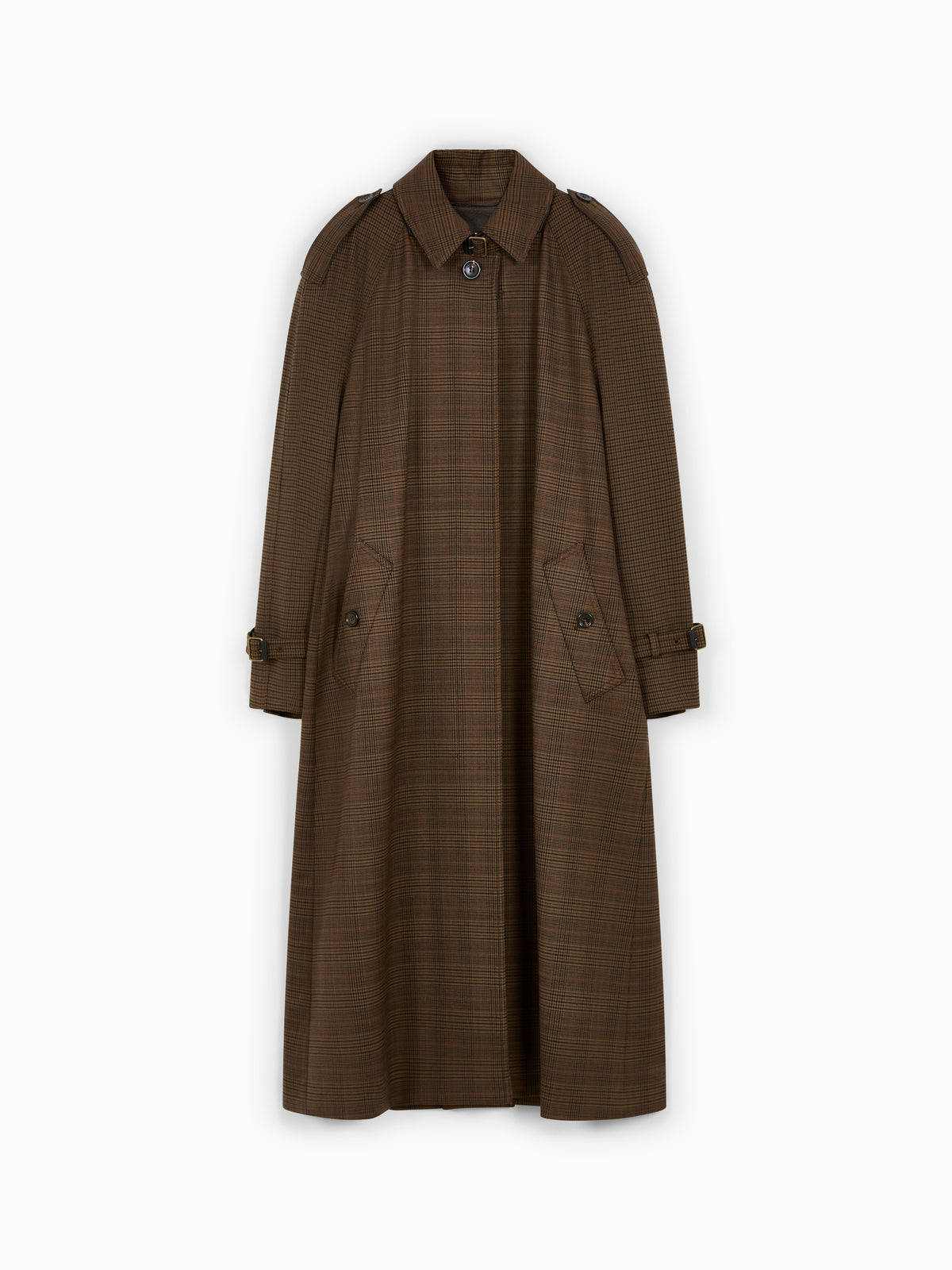
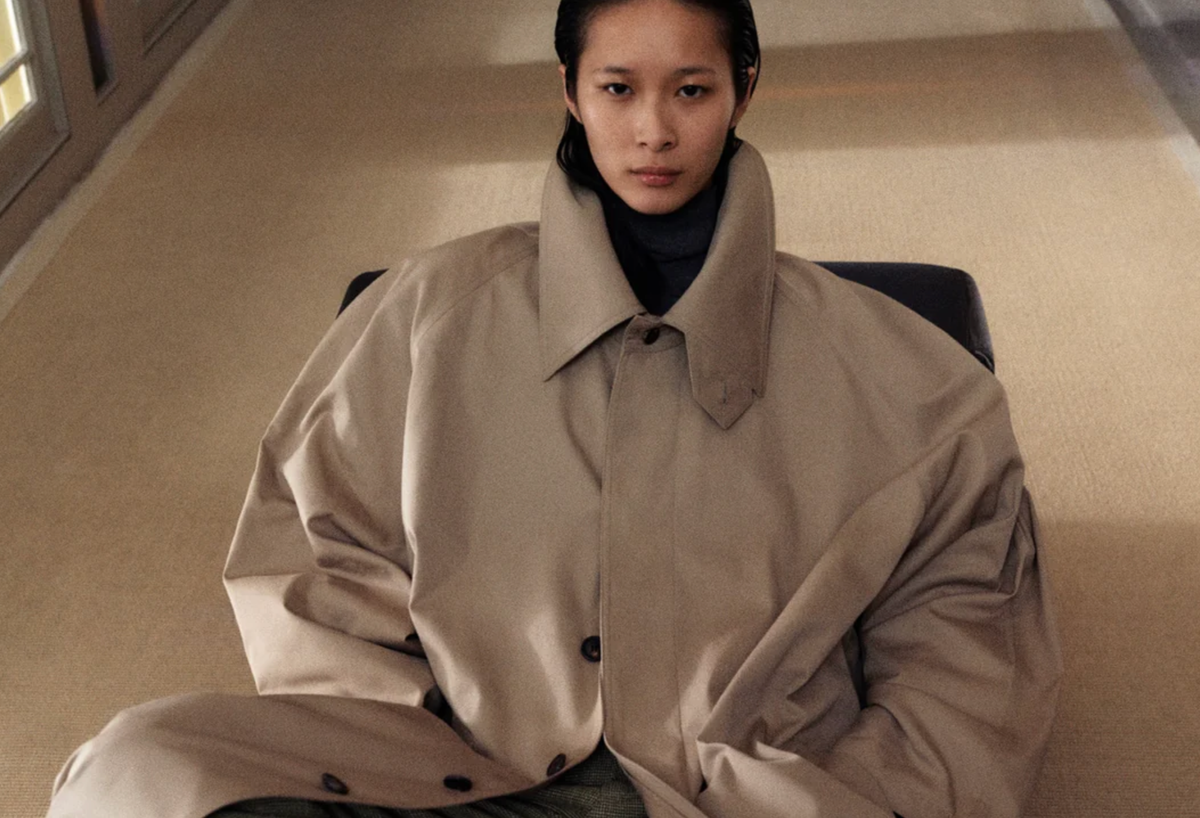
It seems that comfort dressing, or the normcore aesthetic that emerged after 2020, has not disappeared but rather transformed. The sportswear sector is forecast to grow to €400 billion by 2030, with an annual increase of 6% through the end of the decade, according to McKinsey & Co. This influence is increasingly evident across brands and trends. The more colourful approach to sport dressing began last year in menswear collections, led by Saint Laurent, Maison Margiela and Gucci. By 2026, however, it is Miu Miu, Loewe, Celine, Jil Sander and Saint Laurent itself that translate this athletic language most powerfully into the women’s wardrobe.
Fashion is currently navigating a period of transition, still searching for balance: between heightened elegance and a central pillar rooted in comfort and a more casual sensibility. Multifunctionality is on the rise, with garments designed to move easily between the office, daily routines and more formal settings.
Jil Sander once again acts as a counterbalance, approaching the trend through material and line rather than overt sports references. Its fitted, shortened silhouettes evoke hybrids between tennis, dance and gymwear. The collection is conceived not as something static, but as a body in motion.
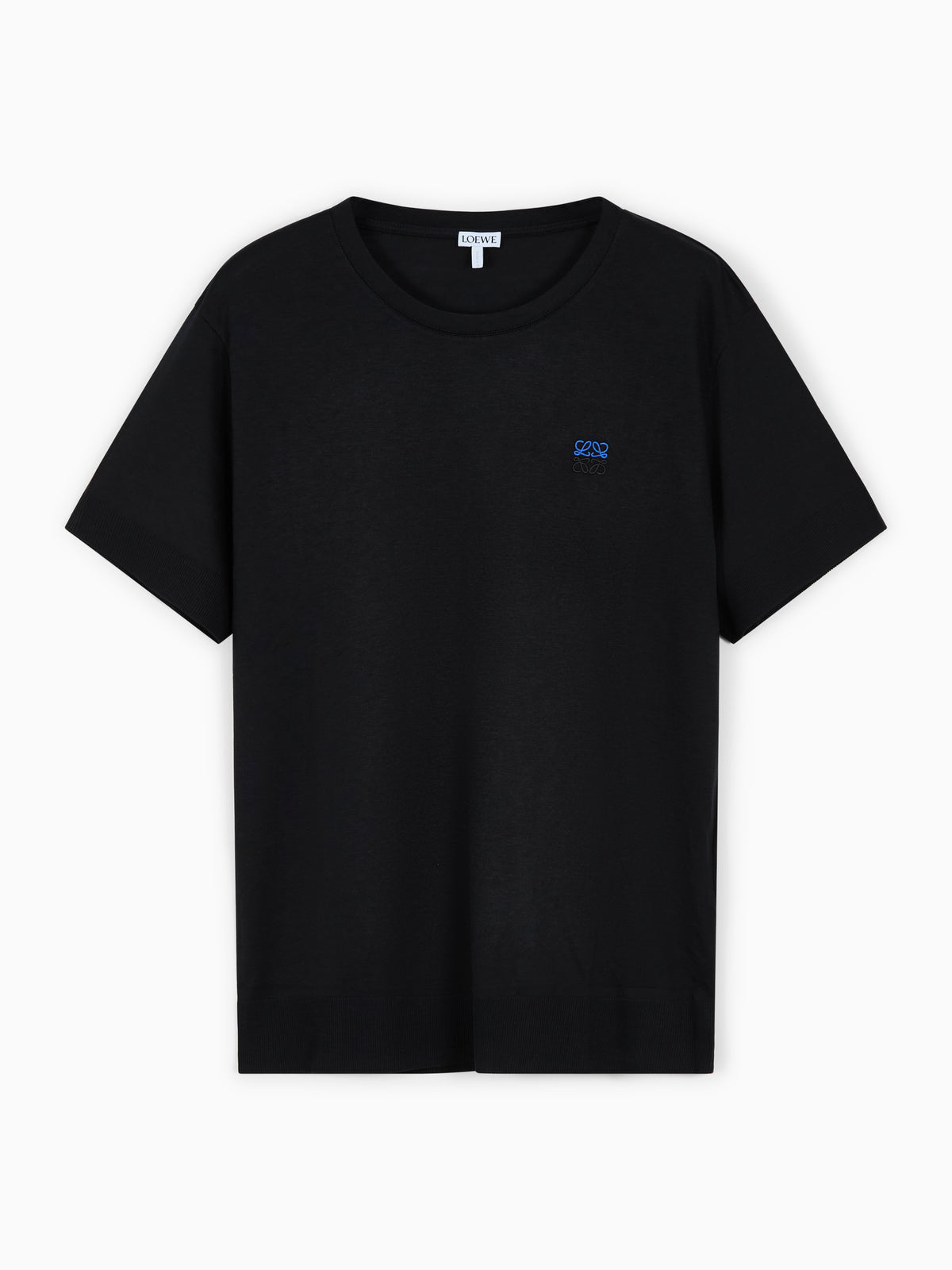
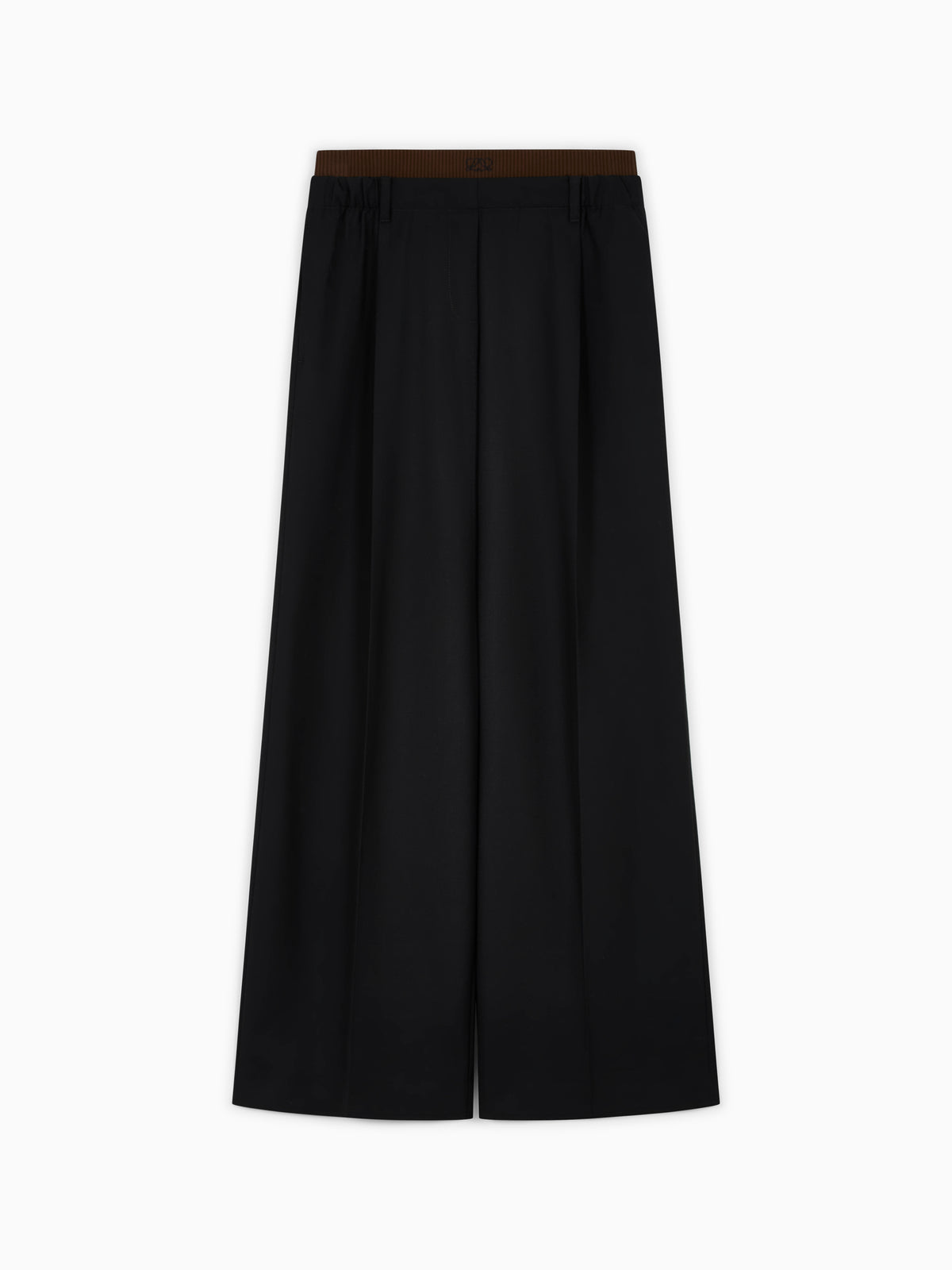
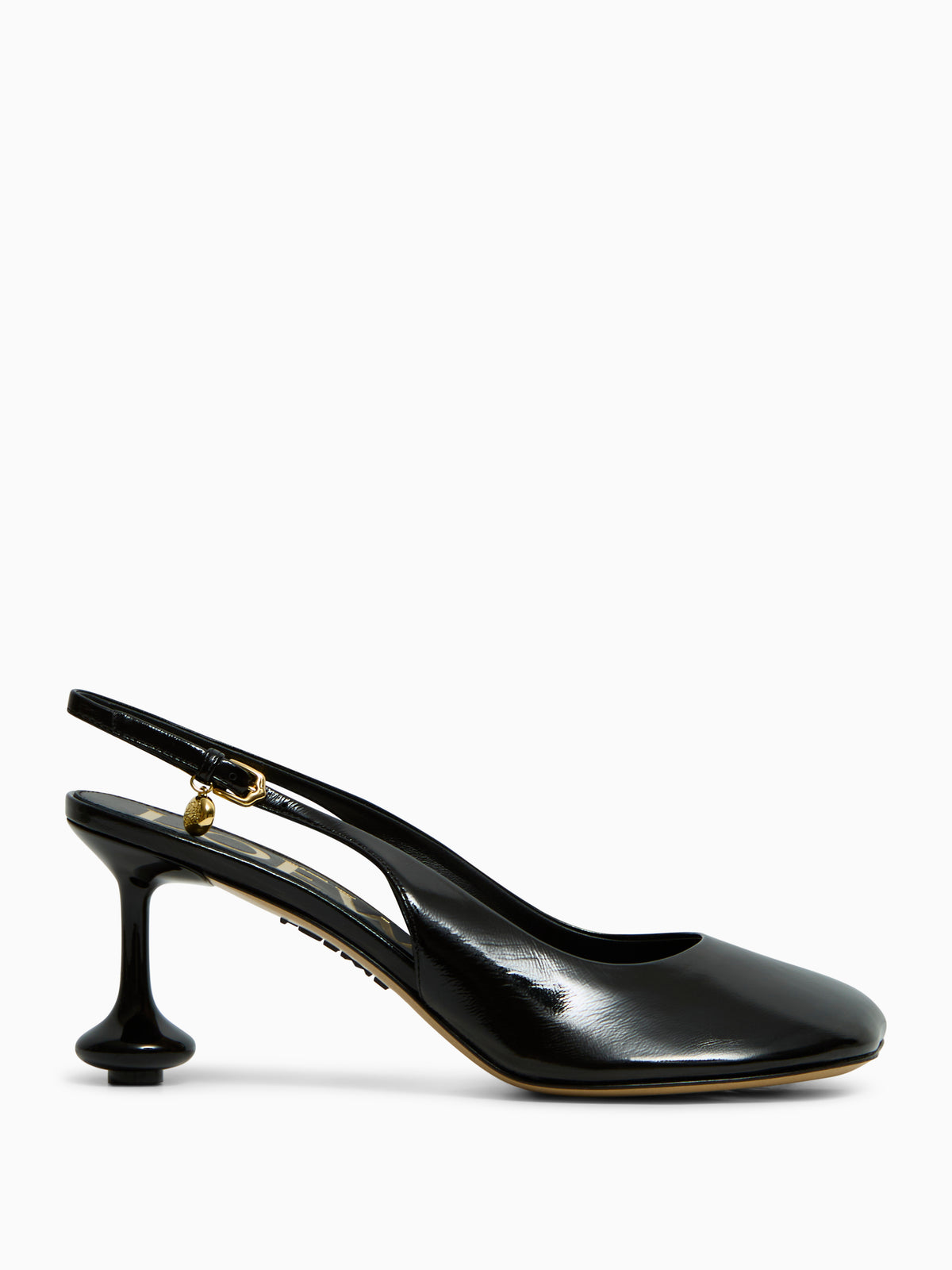
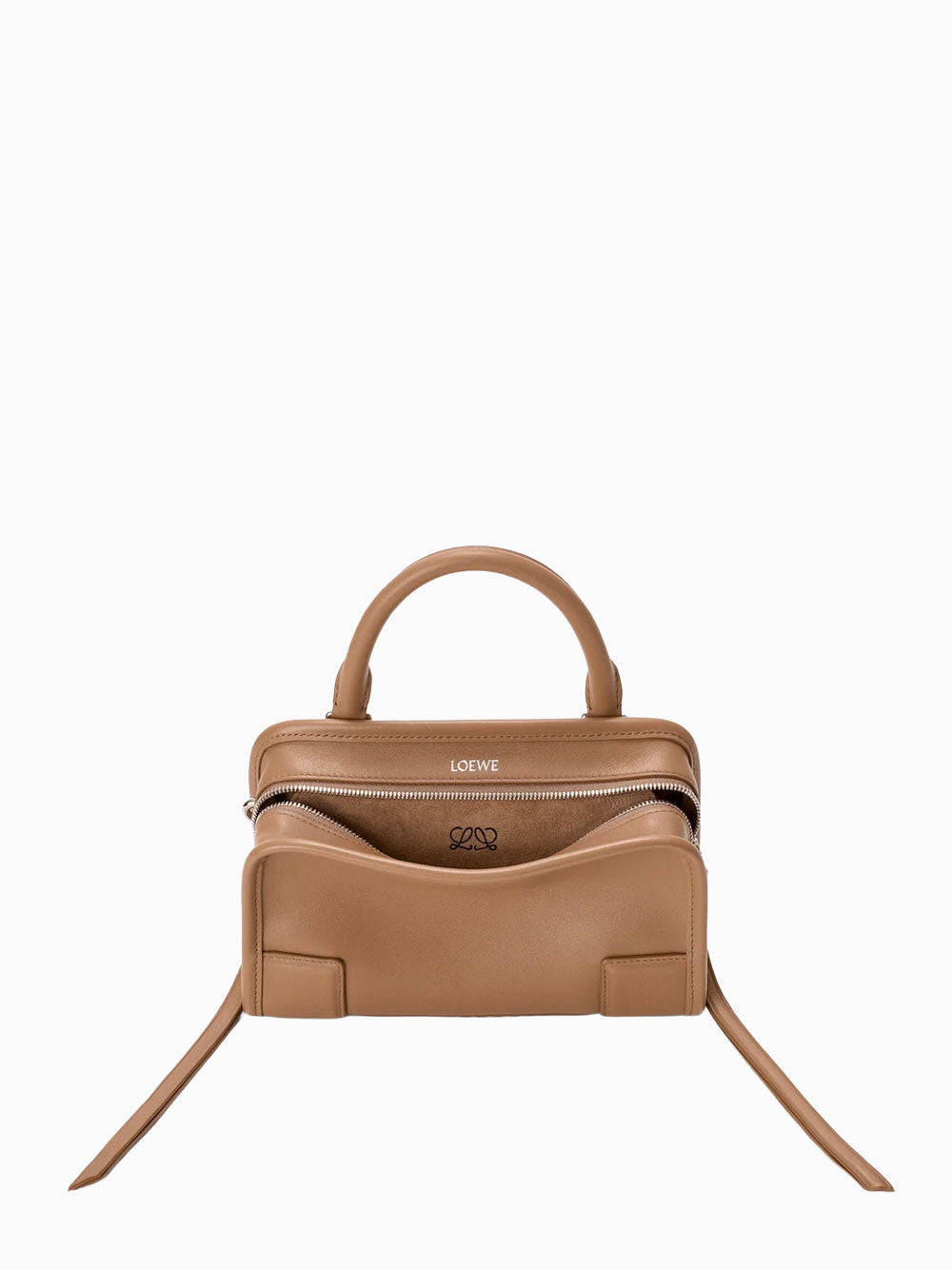
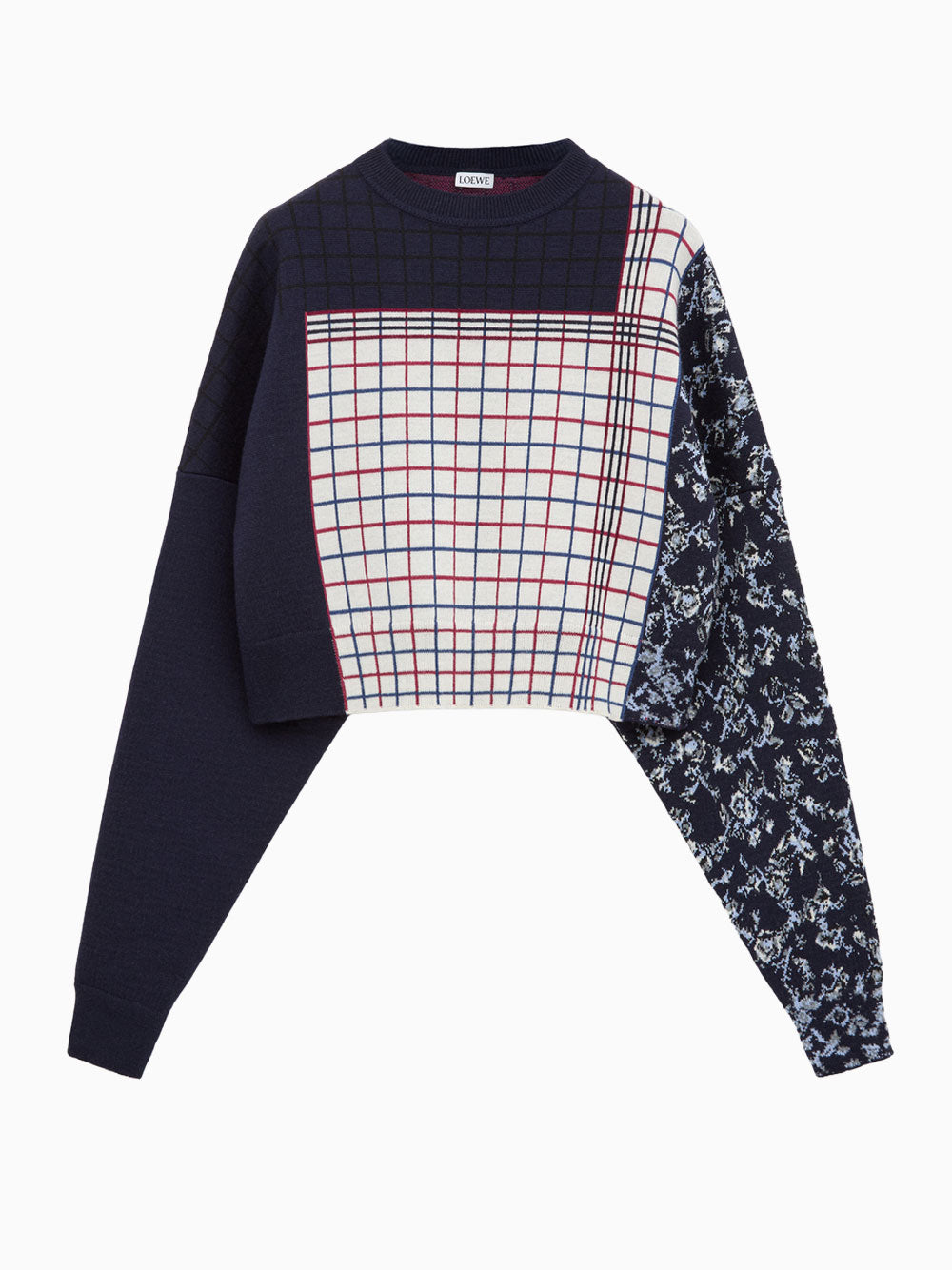
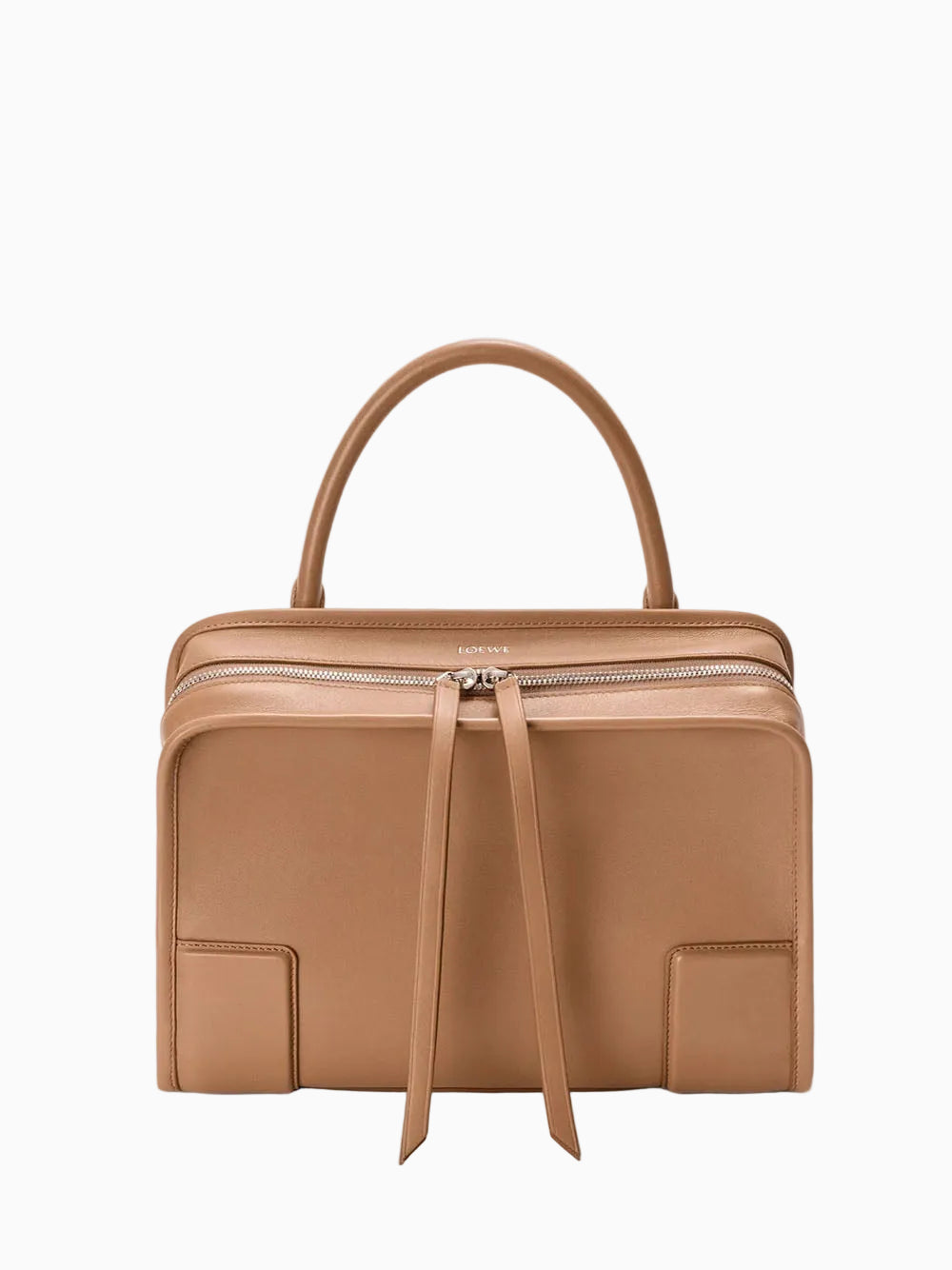
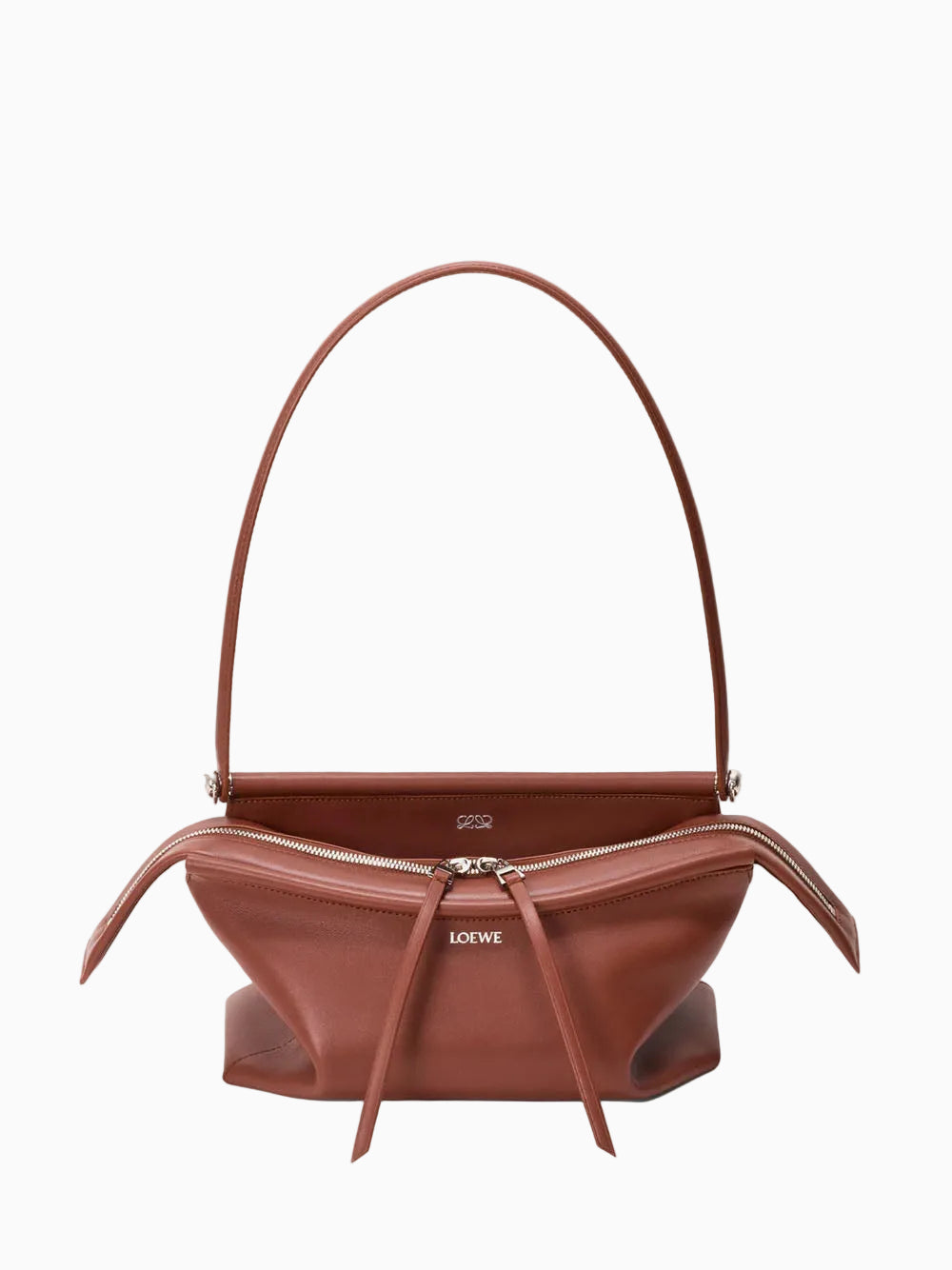
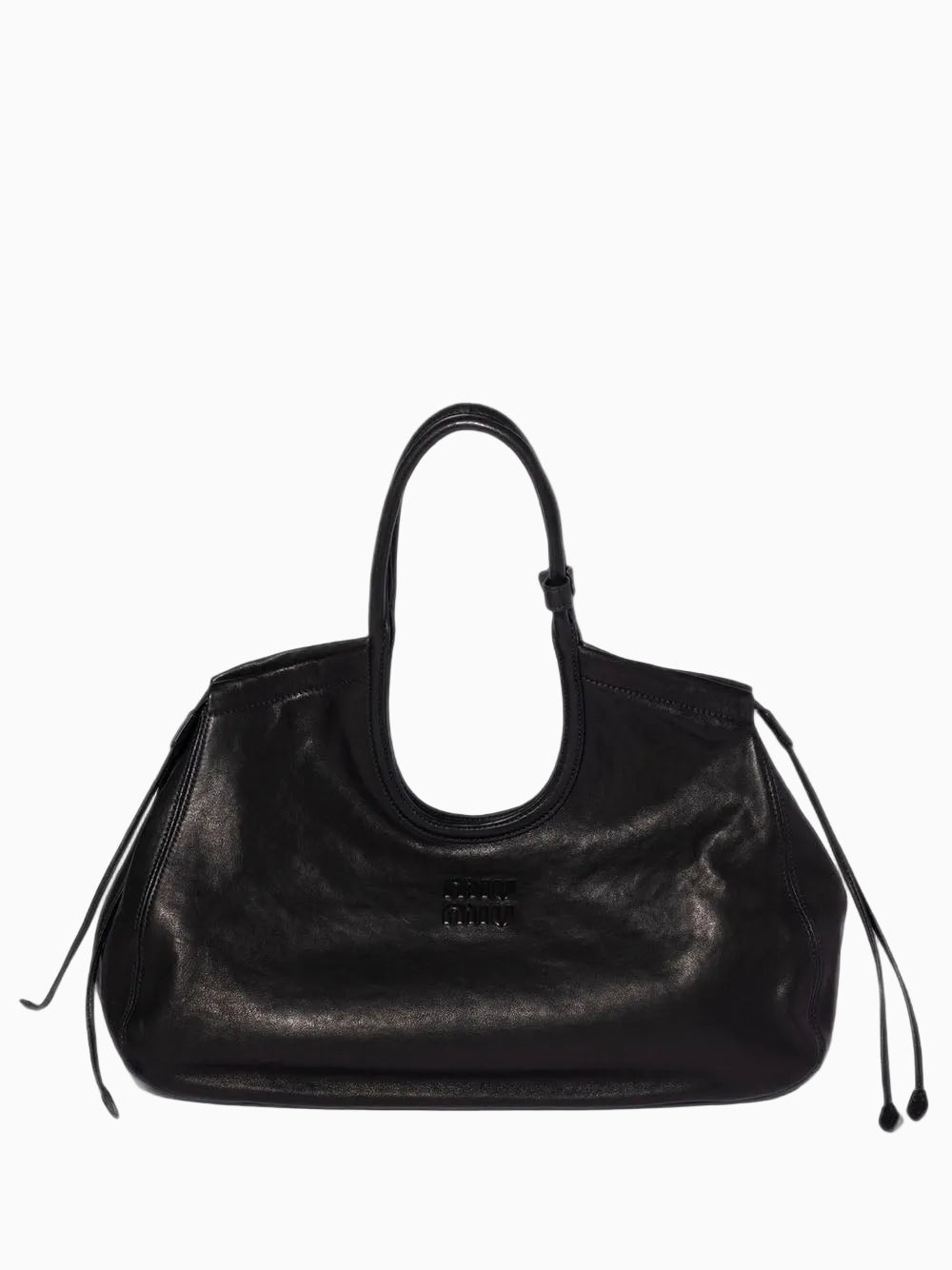
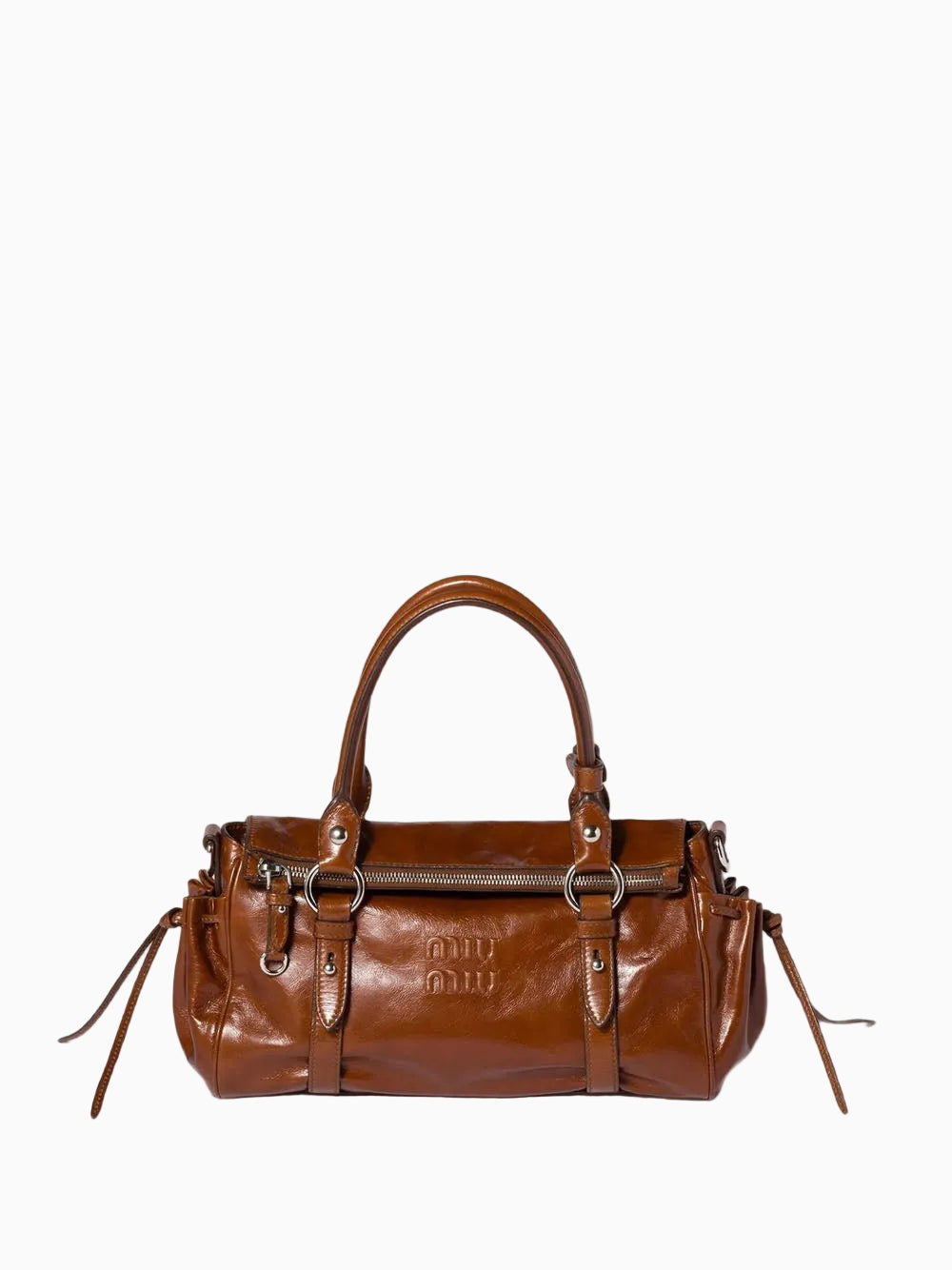
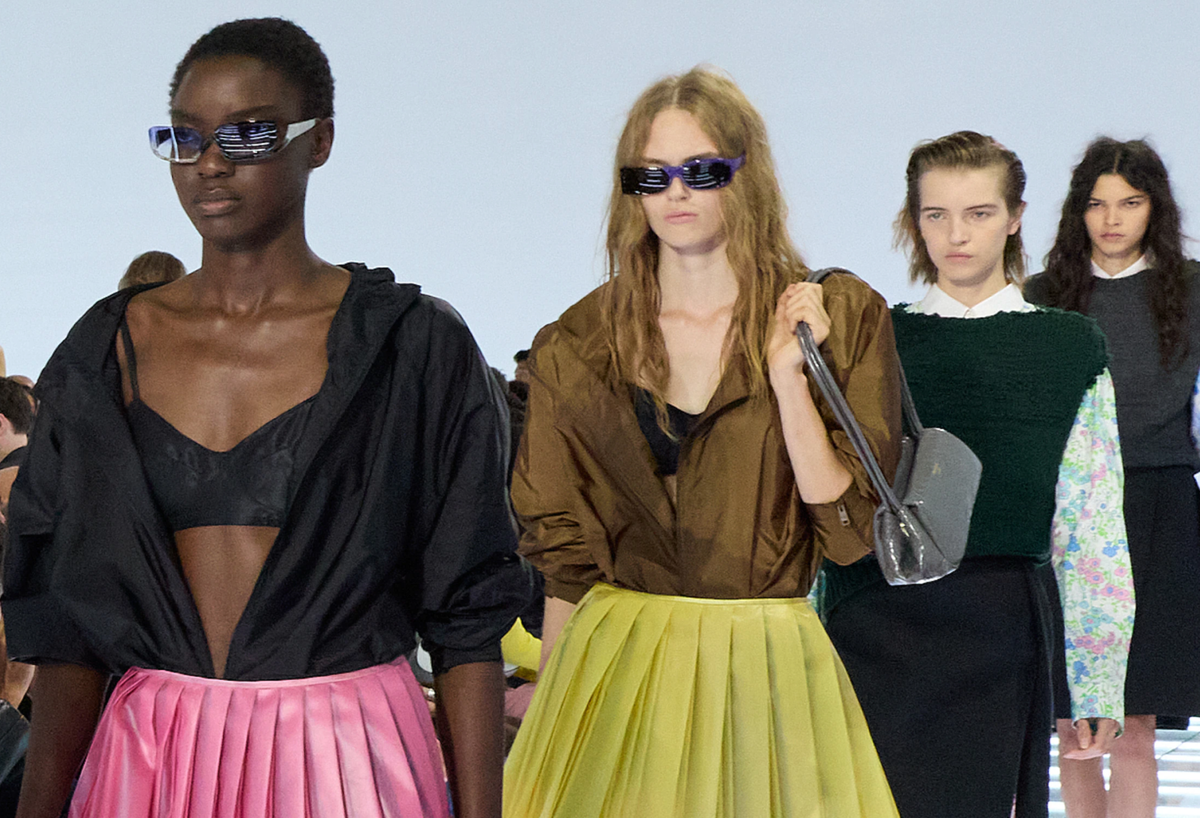
At Miu Miu, this reading translates into lightweight layers and pieces that appear ready to run, yet remain firmly within a sophisticated register. There are references to sports uniforms and preppy codes, pure Miu Miu style, with polos and garments that recall training routines, now repositioned within a look that flirts with youthfulness and couture. In parallel, Jack McCollough and Lazaro Hernandez have pushed Loewe’s sporty mood toward the sensorial: the sensual imagery of sweat, seawater, wet skin, the friction of a towel, and fabrics that recall surf culture, such as rubber and neoprene. Draping that mimics towels, pareo skirts and tones that seem eternally lit by the sun complete this vision.