Skip to content

OTTODISANPIETRO

Get our app ✨

Download

Cart

Your cart is empty

Select your gift wrapping

THE NEW LOEWE BY JACK AND LAZARO

Fashion reinvents itself in cycles, and 2025 has left no one indifferent: a year of change, driven by the desire to renew creative visions and keep brands alive through transformation. Each creative succession is not merely a change of signature; it’s a shift in perspective, on how we inhabit clothing, what values we embrace, and what stories we want to tell. Loewe, a house built on radical craftsmanship and cultural curiosity, once again finds itself at that very threshold.

Beyond aesthetics, for Jack McCollough and Lazaro Hernandez, what matters is materiality and touch: an honest dialogue with the contemporary idea of “Spanishness,” expressed through form, texture, and craft. This blog traces that new horizon, who Jack and Lazaro are, what their first collection proposes, and how the accessories rewrite the visual and emotional language of the house.

Thus begins the new Loewe.

THE NEW LOEWE BY JACK AND LAZARO

Who Are Jack and Lazaro?

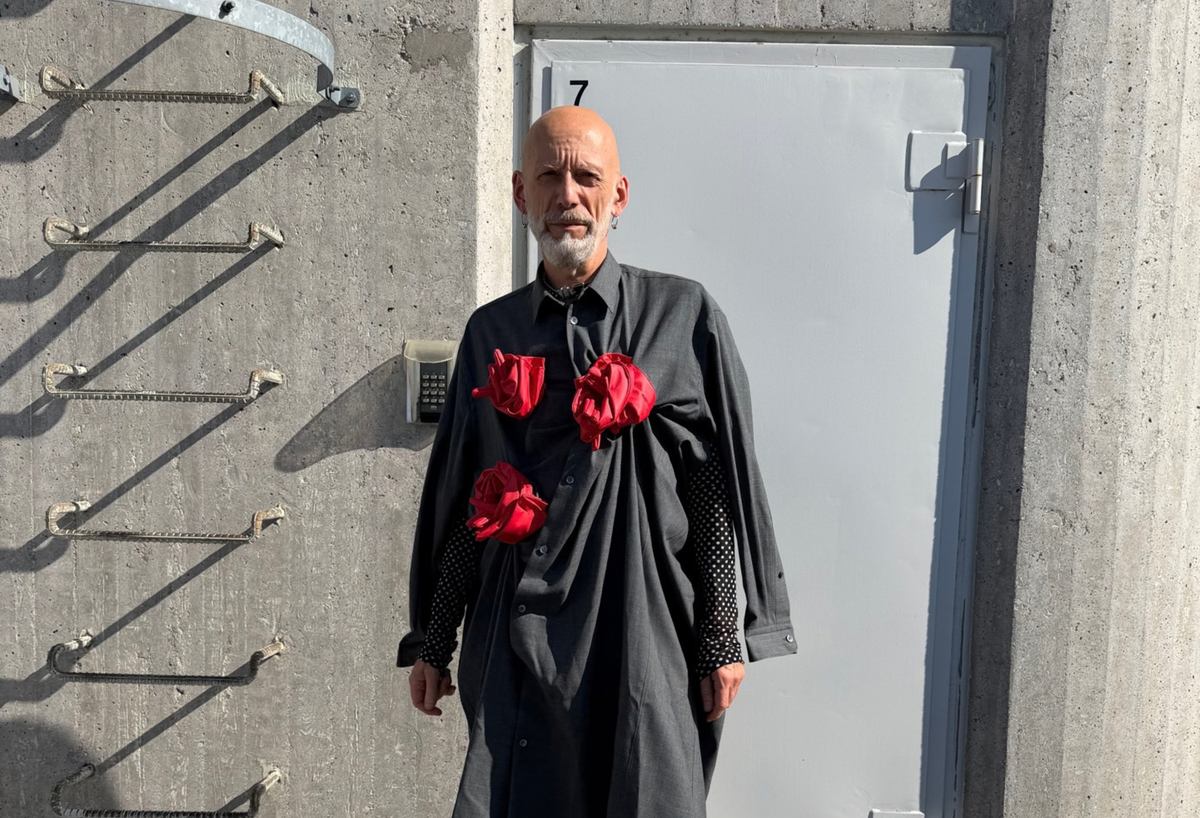
The appointment of Jack McCollough and Lazaro Hernandez at the helm of Loewe marks one of many moments in which fashion has reshuffled its deck in 2025. The duo, known for founding and directing Proenza Schouler for over two decades, arrives at the Spanish maison following Jonathan Anderson’s departure.

And it’s not an easy baton to take. Anderson’s experimental and artisanal imprint defined the last decade of the house and redefined nearly two centuries of its history. Expectations are high: Loewe once again stands at the center of the global conversation on identity, craftsmanship, and intellectual luxury.

Trained at Parsons School of Design, McCollough and Hernandez broke into the New York scene with a unique vision that fused modernism and artistic sensitivity. From the beginning, their Proenza Schouler collections were built on cultural research, books, museums, travel, and academic dialogue were as vital as fabric or cut. This intellectual foundation made them leading figures of a new American luxury: designed for the contemporary, curious, and demanding woman who saw in their clothes a space for aesthetic reflection.

A well-known anecdote tells how Lazaro Hernandez met none other than Anna Wintour on a flight after graduating from Parsons. During the trip, he slipped her a handwritten note, which, as fate would have it, led to his first internship at a major fashion house in the early 2000s. A serendipitous encounter that shaped a career.

Soon after, their designs were recognized with multiple CFDA Awards, and their handbags achieved cult status. Their collections found that elusive “bliss point” between conceptual art and cosmopolitan pragmatism, a methodology seemingly made for today’s fashion landscape.

Their arrival at Loewe signals a significant shift. If Anderson guided the house through a hybrid terrain between surrealism and craftsmanship, Jack and Lazaro promise to delve deeper into the material while maintaining their connection with contemporary art. Both share with Loewe a fascination for technique, an obsession with hidden detail, and an irrepressible desire to connect with culture at large. Yet they bring something new: an American sensibility, pragmatic and contemporary, able to engage in dialogue with Loewe’s Spanish roots and the global stage.

Their First Collection for Loewe

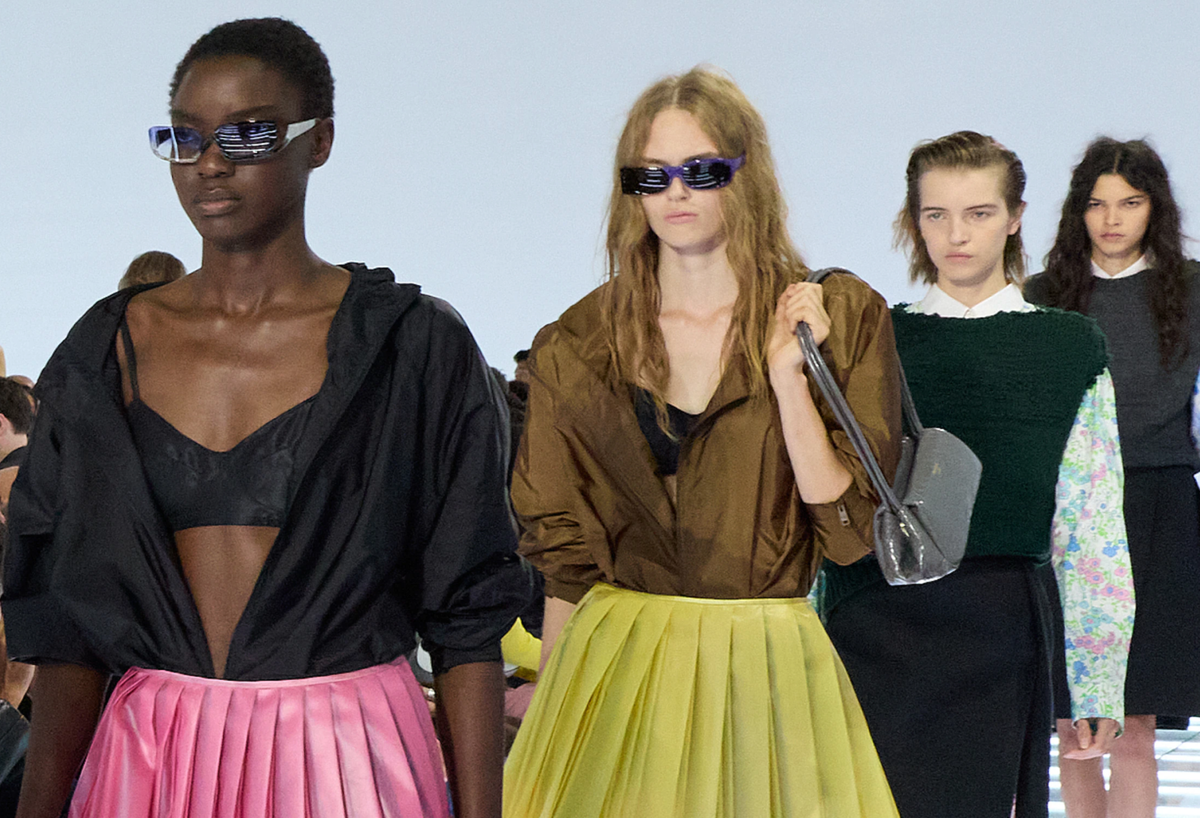
Spring/Summer 2026 marked a debut of clarity. Jack McCollough and Lazaro Hernandez presented their first Loewe collection in Paris, a vision that ordered the noise of contemporary culture through color, material, and the body. The direction was evident from the entrance: Yellow Panel with Red Curve by Ellsworth Kelly framed the space. Its intense yellow and red geometry felt like a manifesto of what was to come, a chromatic prelude that anchored the collection in a luminous, tactile idea of “Spanishness.” Inside, polished wooden benches, tribal rhythmic music, and a focus on physicality set the tone. The show revealed a strong maritime inspiration, references to wetsuits, accentuated by models’ slicked-back, wet hair.

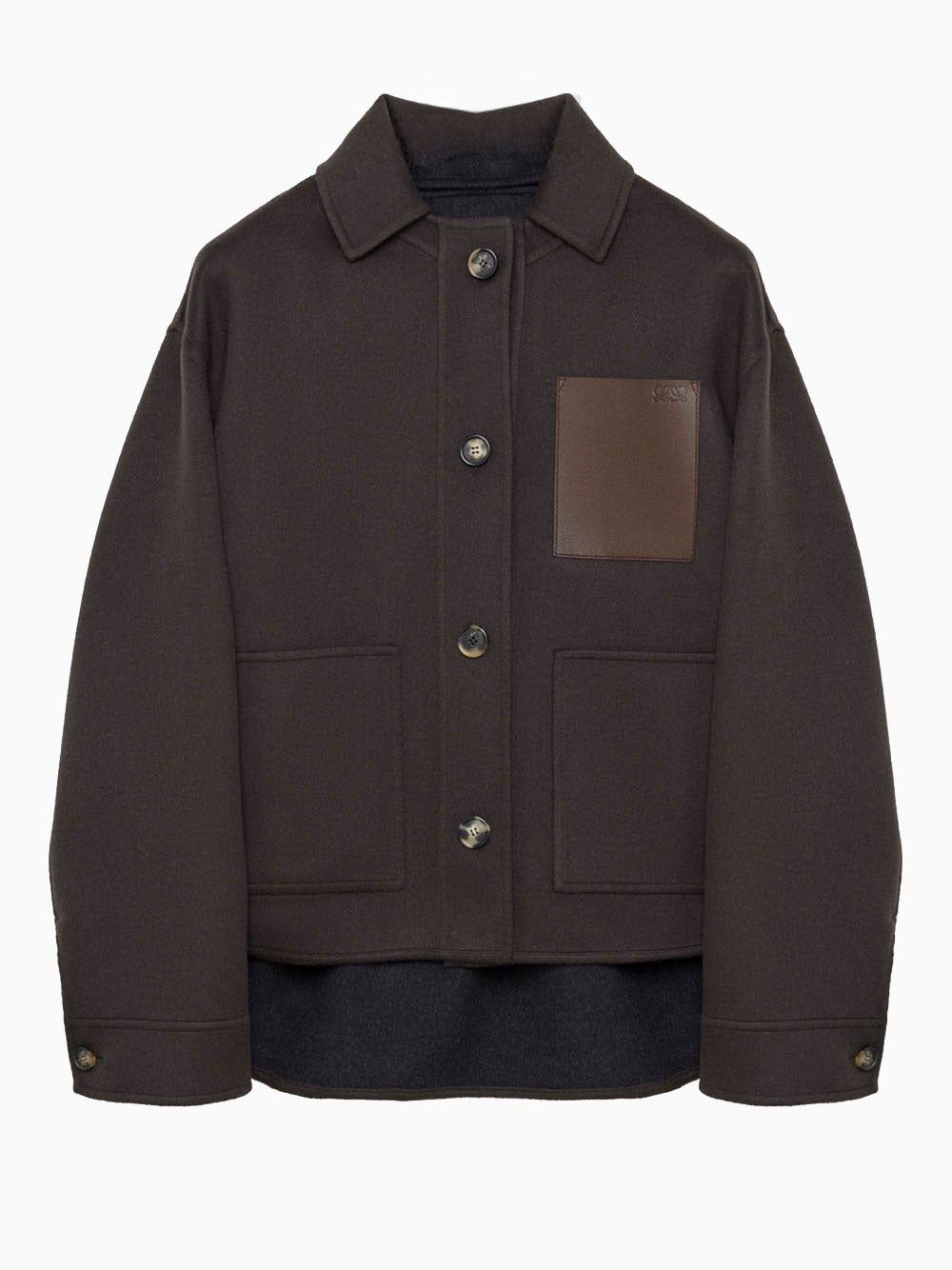
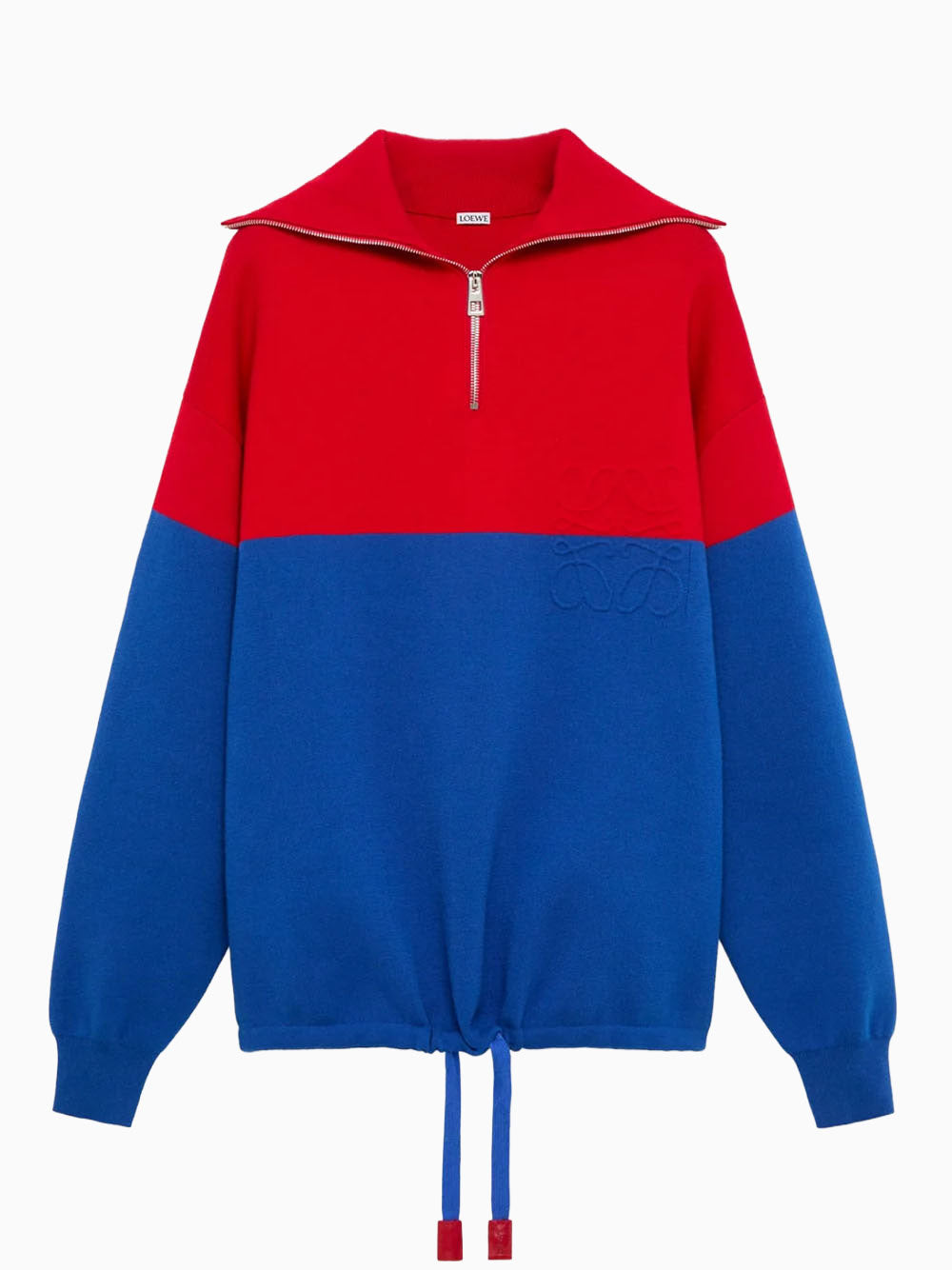
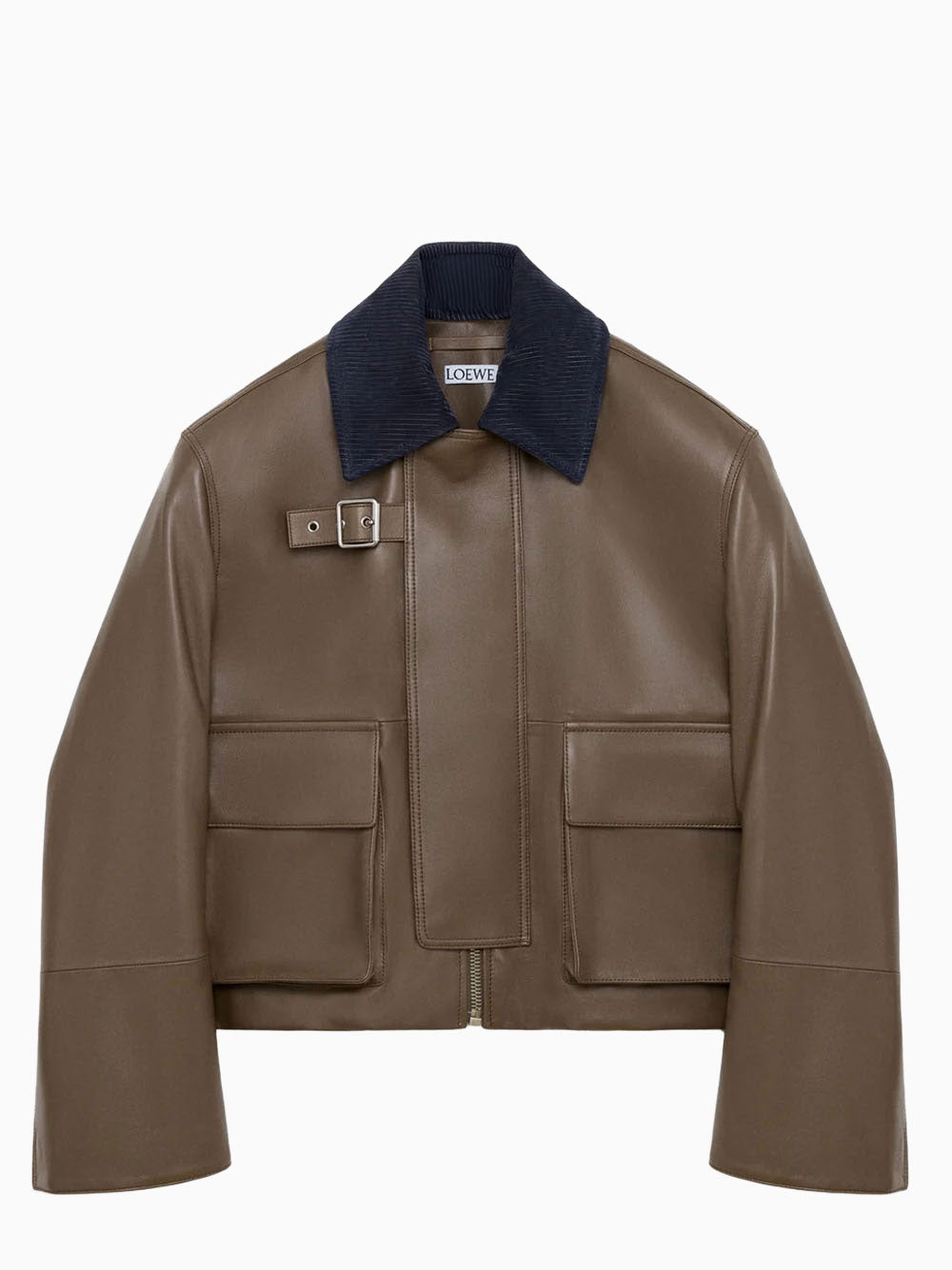
Streamlined, geometric silhouettes defined the collection. Leather jackets with peplum-like waists and assertive shoulders. Mini dresses constructed like sculptural plates. Lightweight parkas, bombers, and coats introducing layered yet wearable compositions. Leather remained the nucleus of their vision, expanding on the sensuality Anderson had begun exploring through lines like Loewe Paula’s Ibiza.

Dresses were molded and hand-painted. Surfaces were pressed into controlled creases. Hand-dyeing created trompe-l’œil textures, while new forms of intarsia emerged. Even a dialogue with technology arose: pieces verging on 3D printing yet preserving the warmth and tenderness that define Loewe. The result was both technical and primal. How far can craftsmanship be pushed without erasing its trace? Here, the traces remain, subtle but unmistakable.

Citrus tones structured the narrative: yellows, reds, and oranges captured the front row’s attention, while greens and blues evoked a modernist reflection of the Mediterranean. Stripes reminiscent of Andalusian jarapas appeared, references reimagined without imitation.

Playful and joyous gestures persisted: a 3D towel dress, a Loewe bag covered in mussel shells… Everything within a visual universe where Kelly’s artwork served as the key to interpretation.

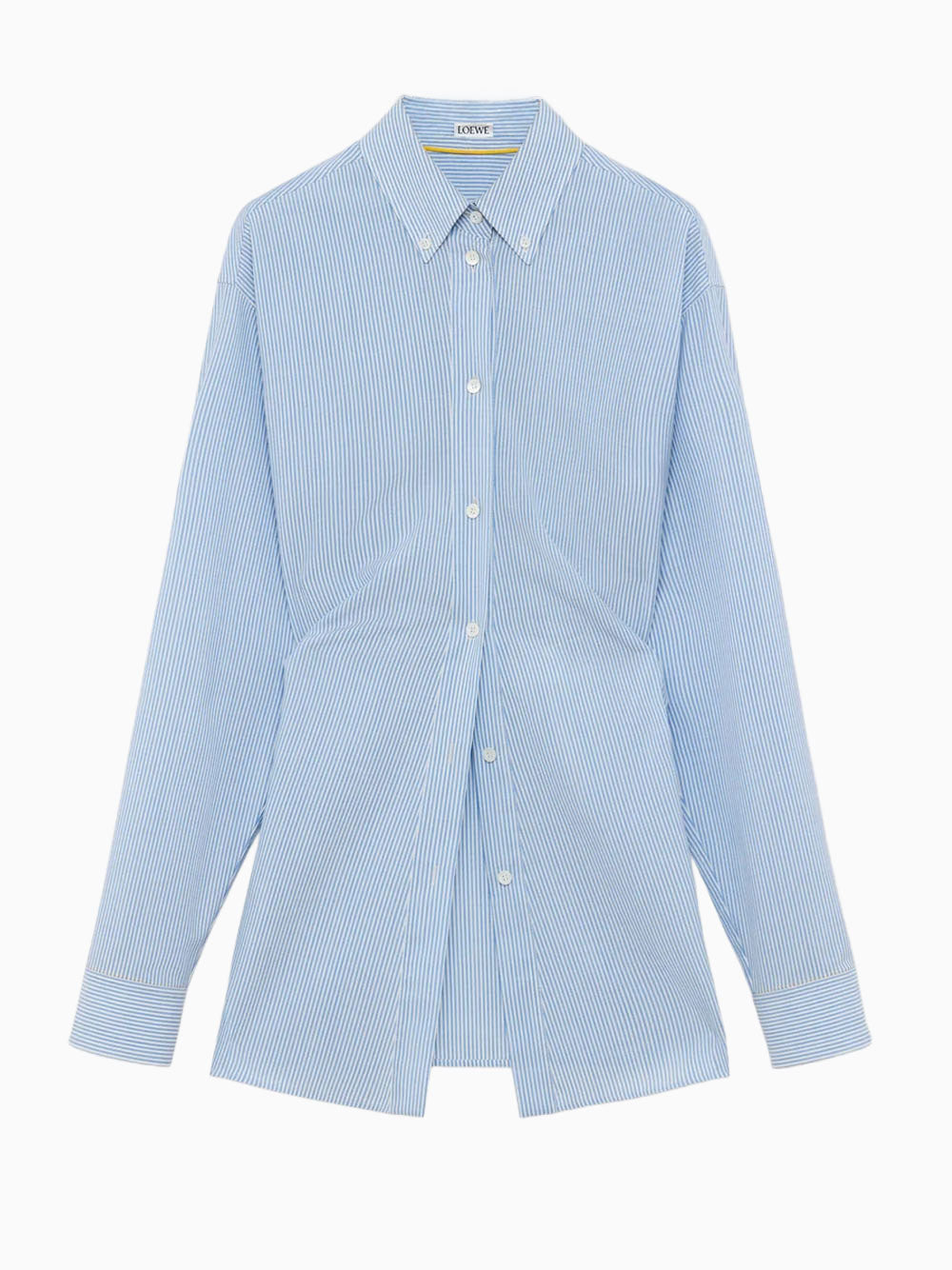
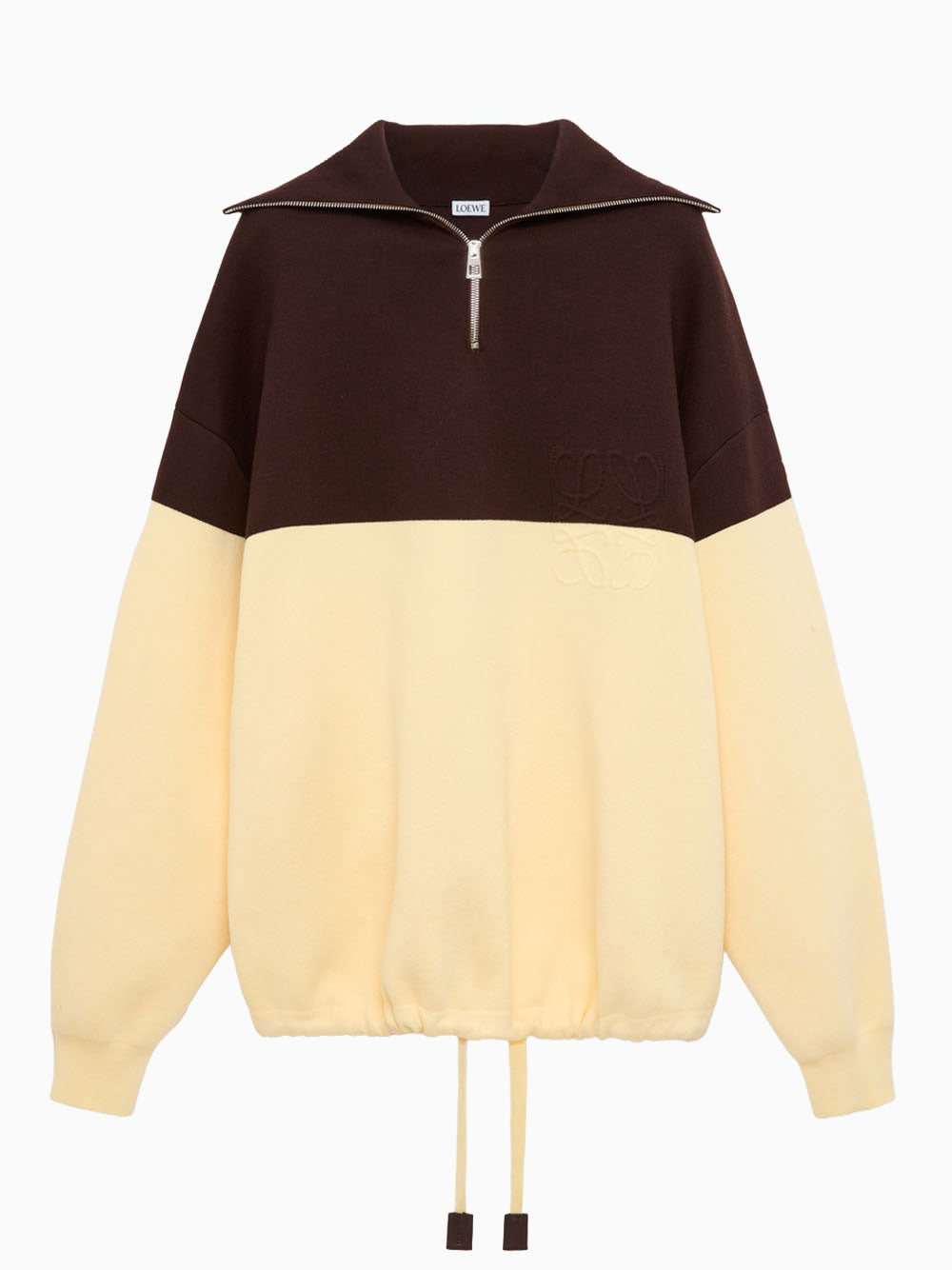
Styling played a decisive role, looks began with sweaters knotted across the shoulders, turned into crop tops; leather shorts and fluid shirts built layers of visual complexity. The result: a coherent, sensual, and material debut that honors the archive while reopening the future.

The Accessories

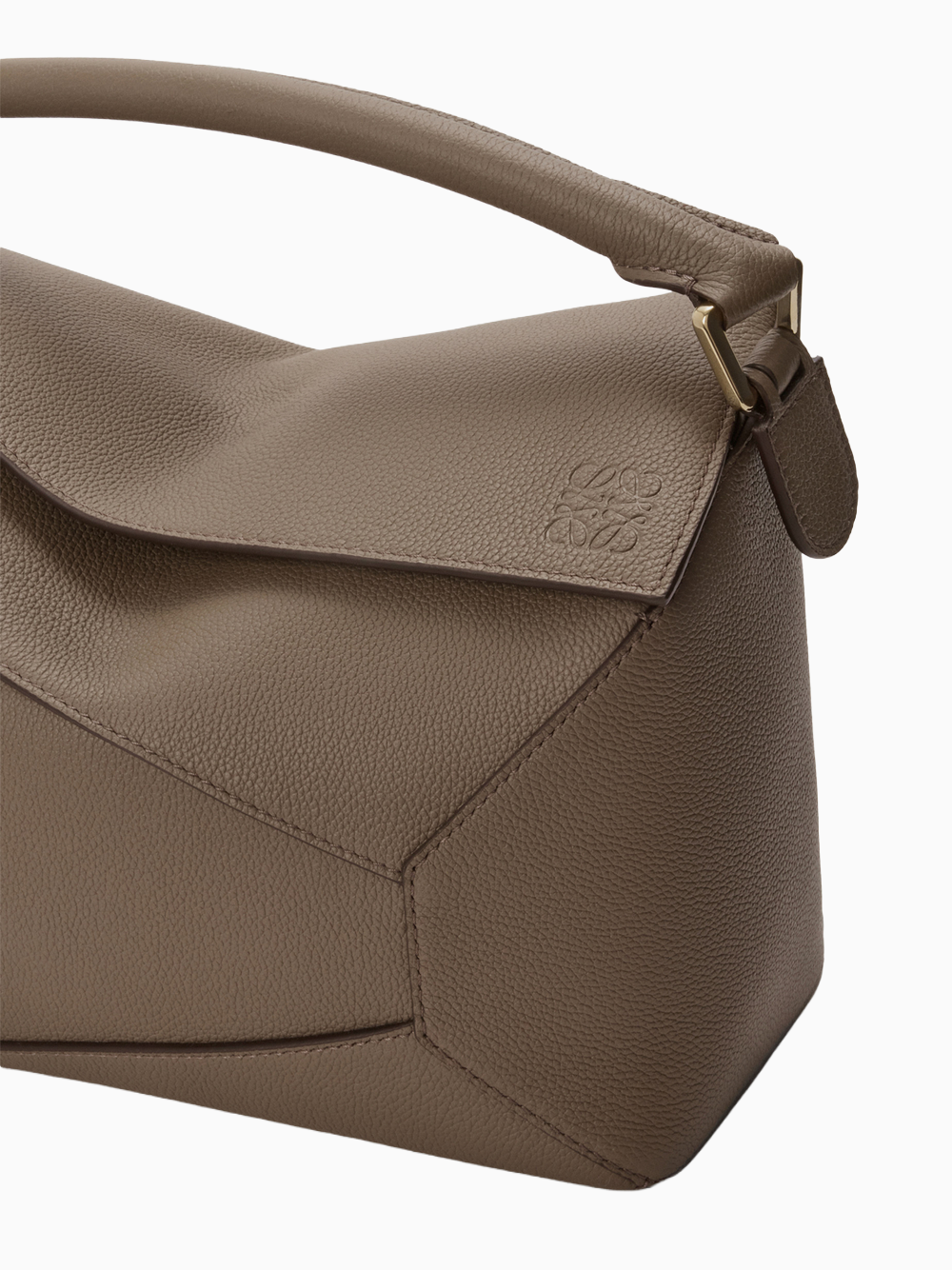
At Loewe, accessories are not secondary, they are the living core of the brand, the canvas on which its most recognizable pages have been written. Jack McCollough and Lazaro Hernandez understood this perfectly. From their debut, they positioned bags and shoes as central to their narrative, condensing both the house’s artisanal heritage and its appetite for experimentation.

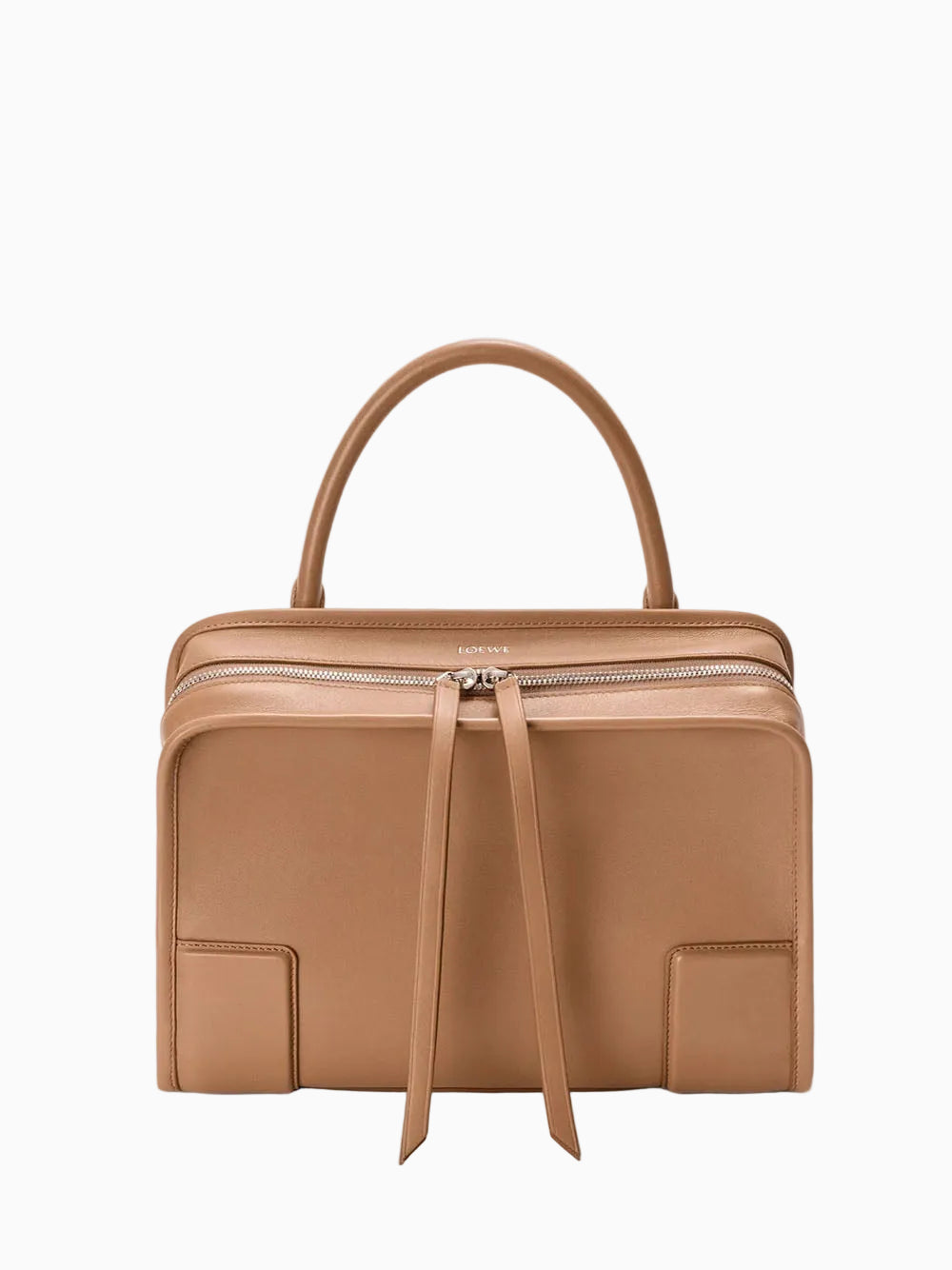
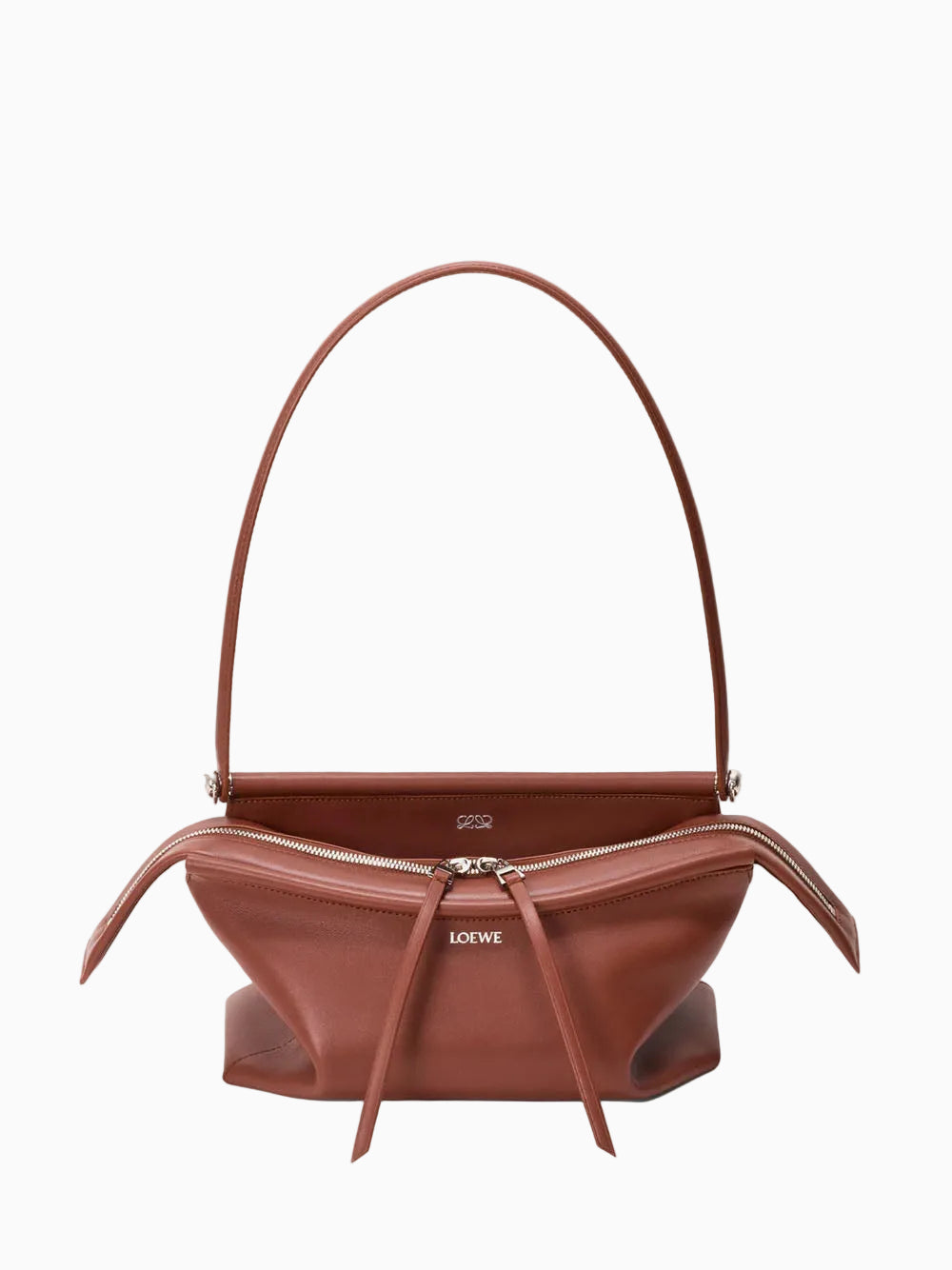
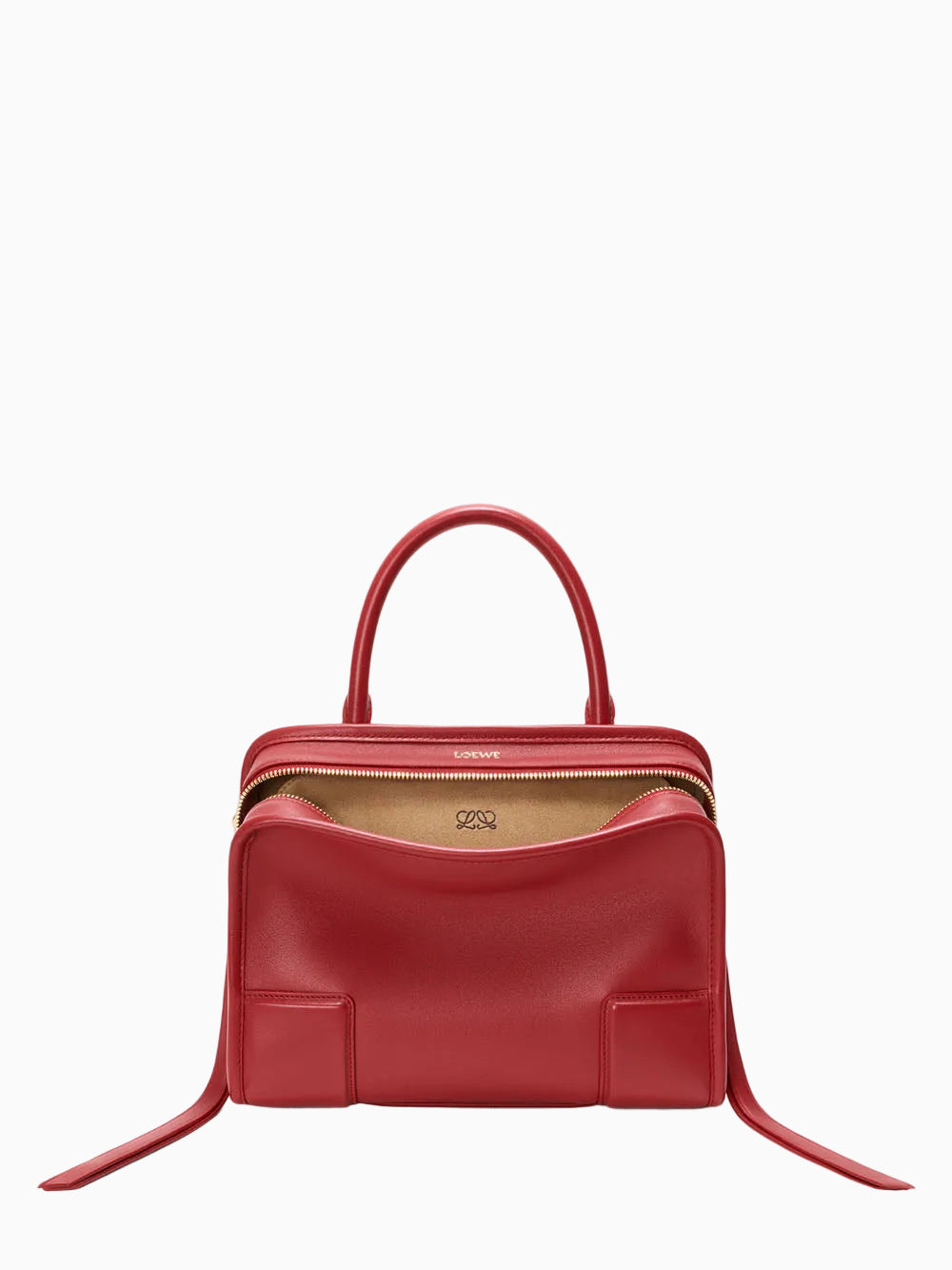
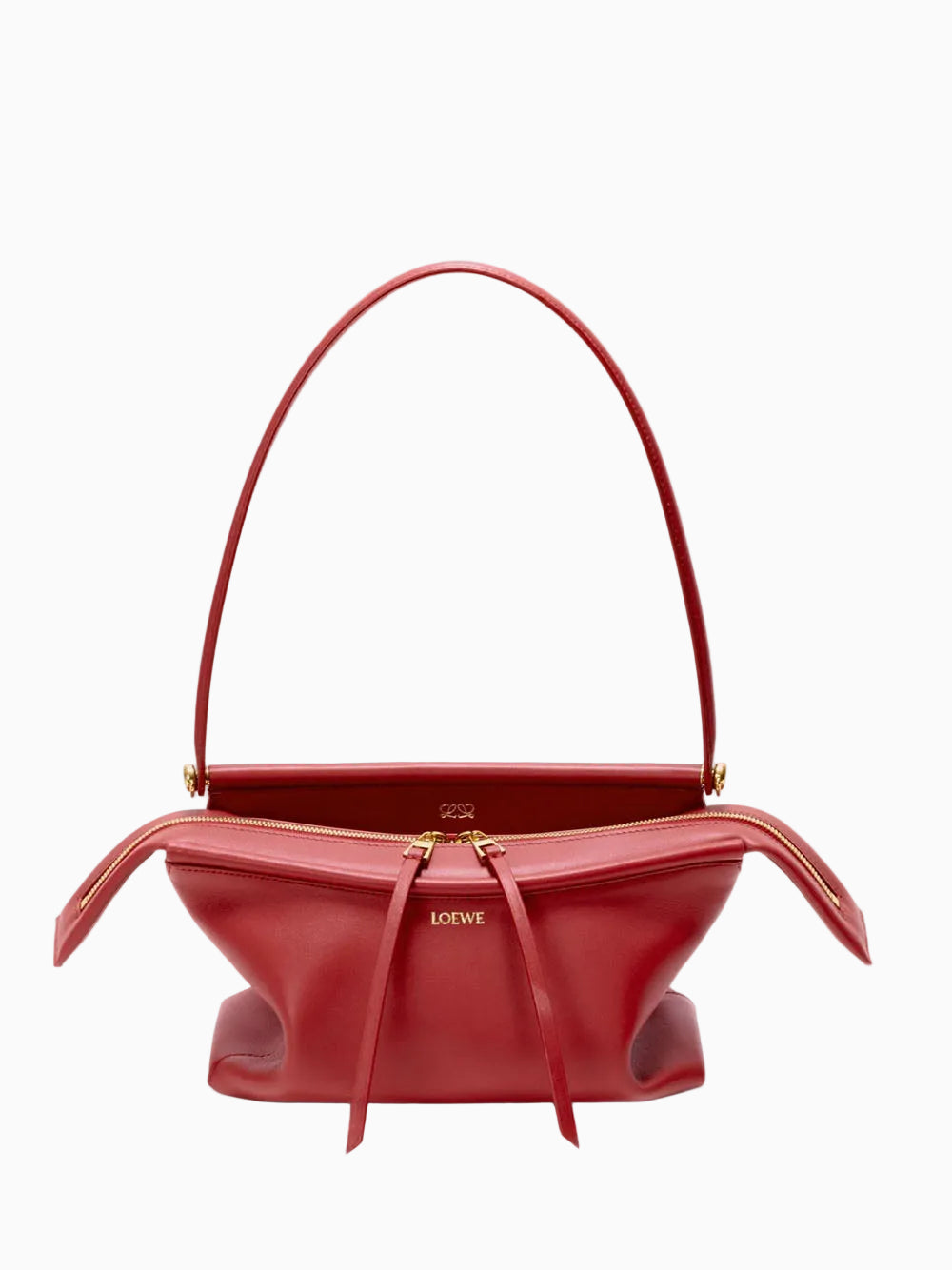
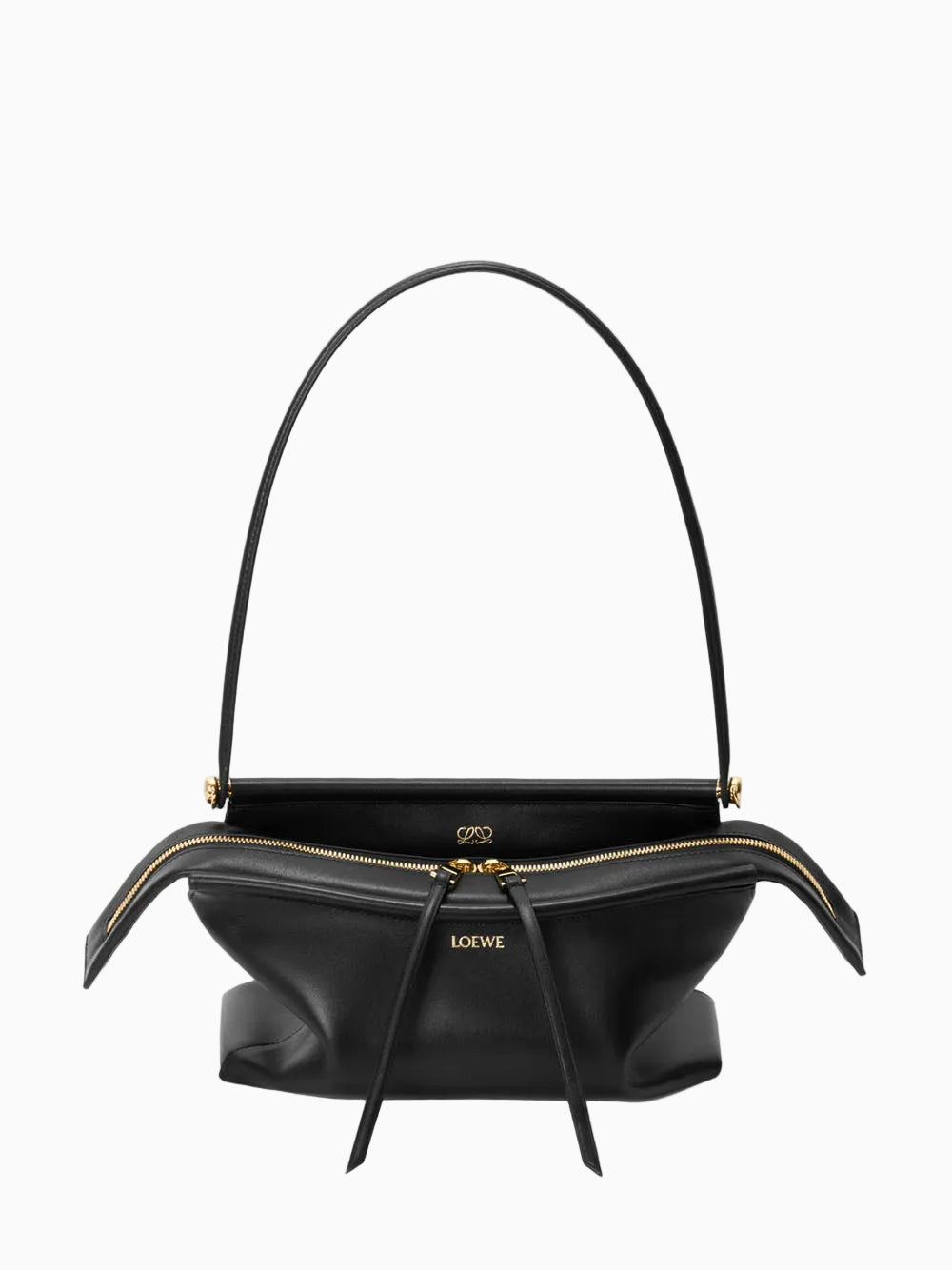
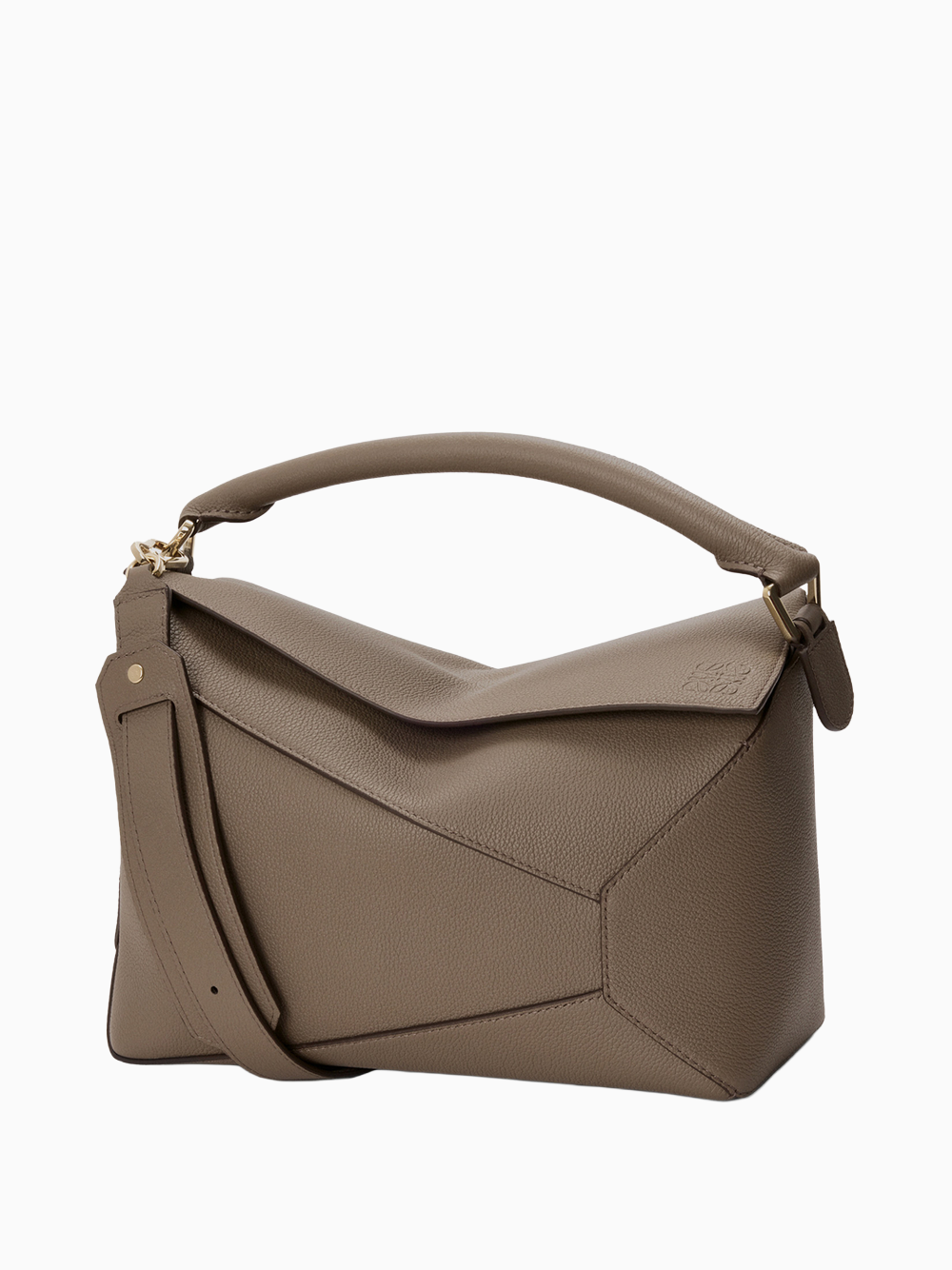
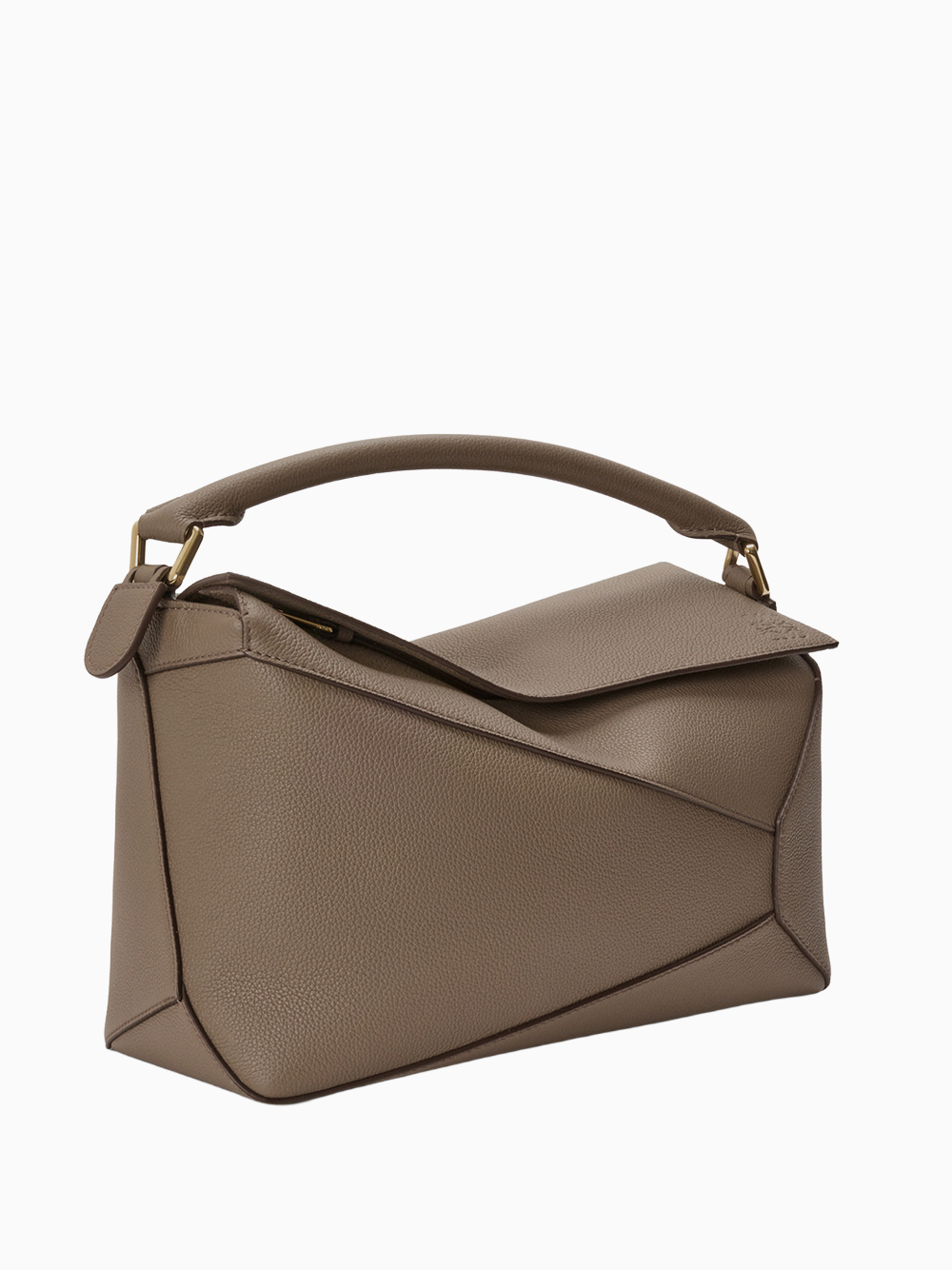
The Amazona 180 emerged as the star, a reinvention celebrating 180 years of Loewe. The design preserves the structural integrity of the original but introduces a softer, more relaxed attitude: a slouchy profile, a single top handle (with a folded shoulder strap), and a new split Anagram logo. The result is a hybrid between heritage and modernity, designed for everyday sophistication. Its language connects with the duo’s concept of “solar energy”, openness, tactility, and intimacy in presentation.

New icons appeared from Loewe’s playful side. A bag covered in mussels became an instant viral object, part sculpture, part Mediterranean reference. The Flamenco, another classic, returned with closures that mimicked the swirl of a flamenco skirt: layered, vibrant, concealing. These are gestures of belonging, filtered through humor and precision.

Loewe shoes marked another turning point. The Origami pumps, inspired by Japanese folding, featured hollow heels and hand-tied bows. Transparent jelly-style heels reflected the socks beneath, painted in the season’s hues, especially the signature yellow. Alongside them, hand-blown glass clutches, each requiring 45 hours of craftsmanship, revealed how far luxury can go when it becomes applied art. Each one unique, irreproducible, closer to a museum piece than a commercial product.

In essence, accessories are where Loewe proves that craftsmanship and contemporaneity walk hand in hand. McCollough and Hernandez map out a new language through objects, one that begins, as always at Loewe, with leather and its infinite metamorphoses.

Join the conversation in our socials