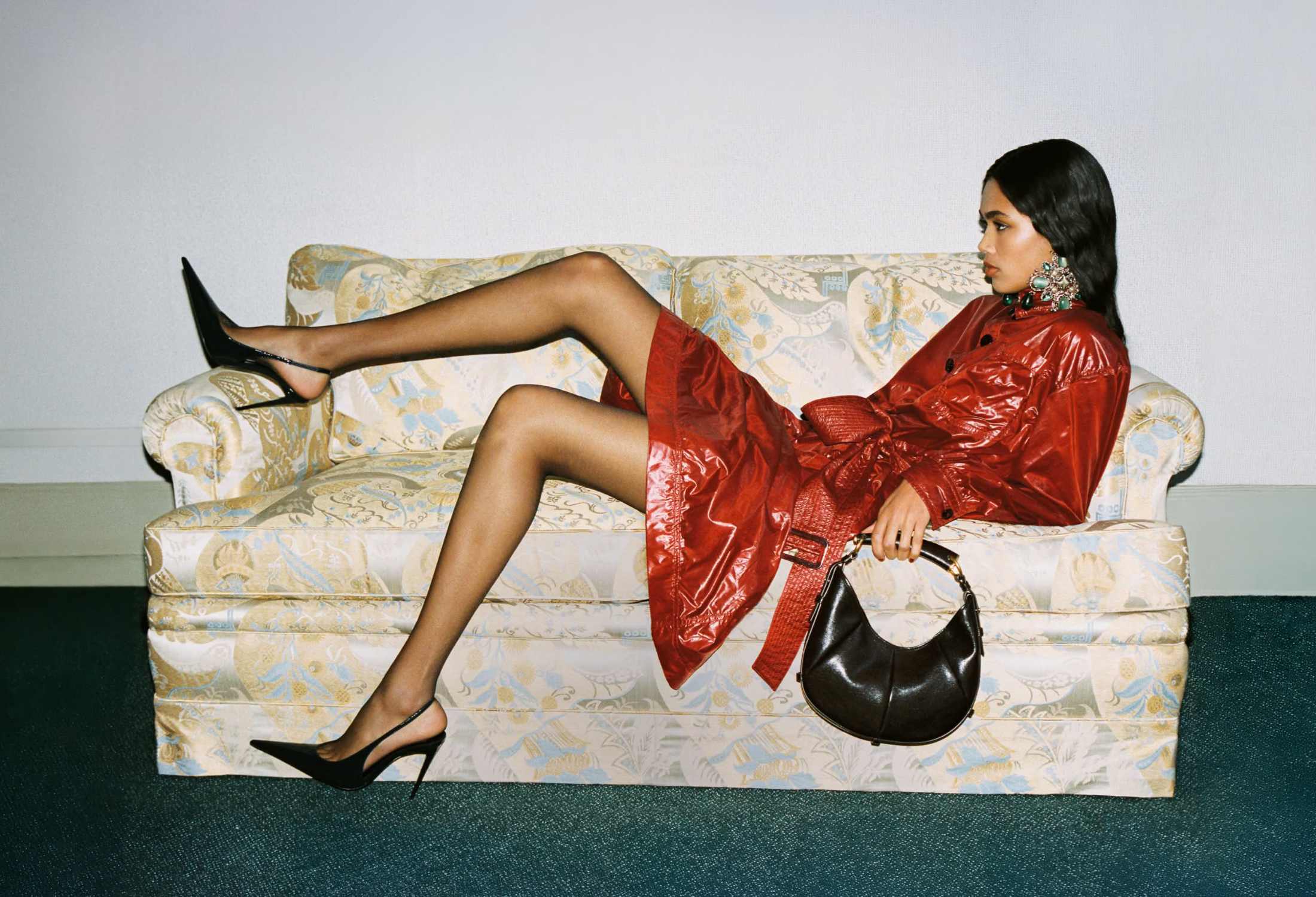
In 1986, fashion was rebellious and unapologetically bold. Far removed from the quiet elegance of today, though already championed by figures such as Giorgio Armani, the trends of spring 1986 wanted to be seen. At the height of eighties fashion, silhouettes broadened the shoulders, cinched the waist and expressed a language of power, desire and social capital. Power was communicated through energy, through an emphatic form of power dressing.
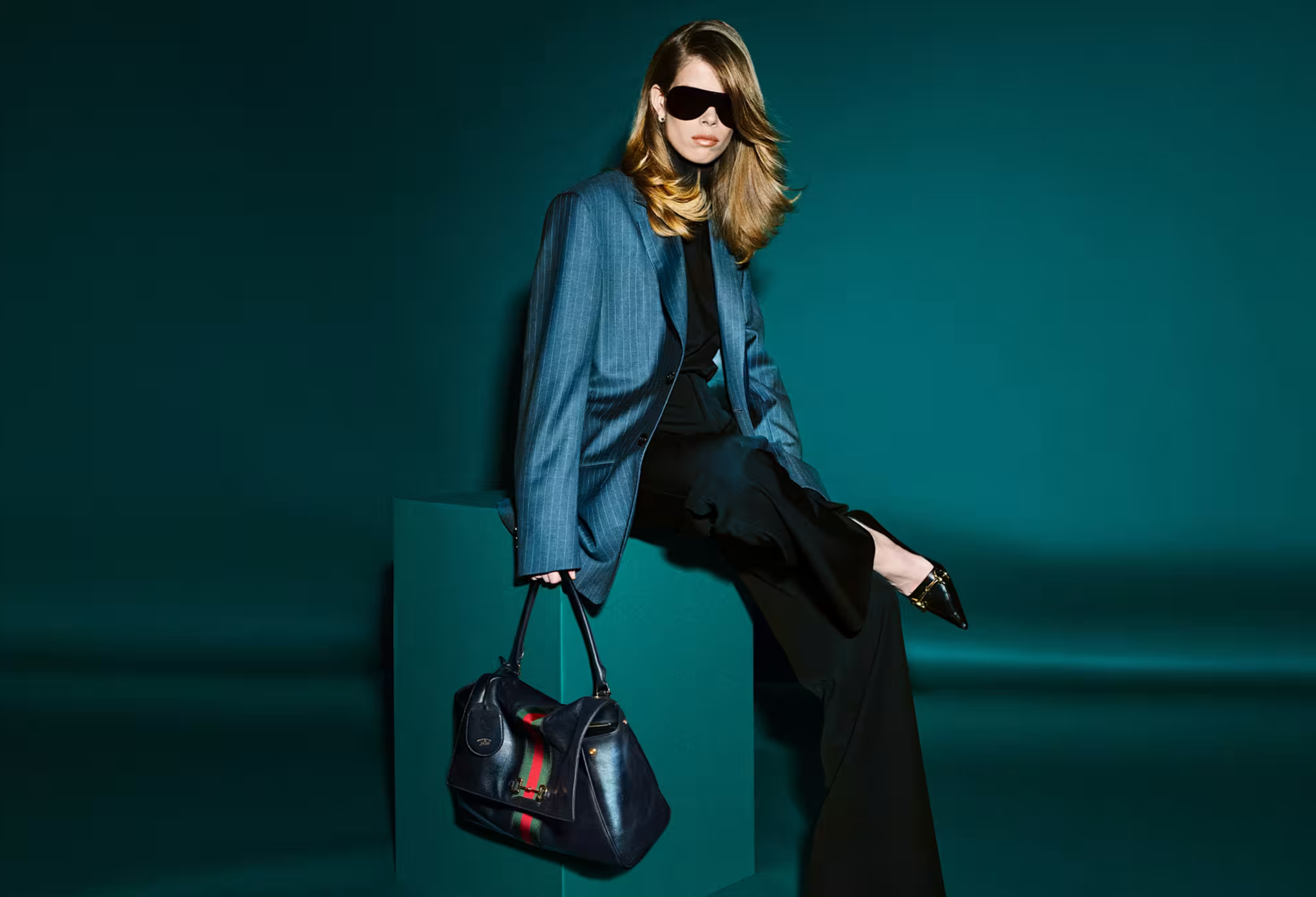
Power dressing became one of the defining images of the era. Suits designed for the corporate world were angular and voluminous, with padded shoulders, exaggerated jackets, oversized gold accessories and intense colour palettes. The concept accompanied women’s growing presence in traditionally male professional spaces, a movement in which Jil Sander would become a major influence.
In the workplace, the jacket functioned almost as armour, a way of amplifying female presence and stripping away expectations of delicacy and fragility inherited from previous eras. Television helped cement this aesthetic, with shows like Dynasty and Dallas shaping an entire visual universe of wealth, ambition and overt glamour that felt new in the female landscape. Houses such as Chanel under Karl Lagerfeld, alongside Escada and Jil Sander, perfectly embodied the aspirations of the working woman of the moment.
At the same time, body culture claimed its own place in the conversation. The rise of fitness, gym culture and the expansion of materials like Lycra reshaped the silhouettes of the decade. Designers such as Azzedine Alaïa, Donna Karan and Gianni Versace chose to accentuate the lines of the female body rather than construct rigid shapes around it. In contrast to power dressing, body-hugging dresses, full bodysuits, leggings and cut-out garments emerged, all proposing their own version of female liberation.
Yet the runways of 1986 did not exist in isolation from pop culture. During that decade, MTV amplified figures such as Madonna, Grace Jones, the supermodels, and audiovisual phenomena like Top Gun, Pretty in Pink and street style itself. Madonna would land her first cover of Vogue in 1989. Through her image, she turned corsets, lace, religious iconography, fitted skirts, crop tops and statement jewellery into a globally recognisable visual language. Her presentation was less filtered than what appeared on the runway, and its media impact was enormous, later influencing designers such as Jean Paul Gaultier.