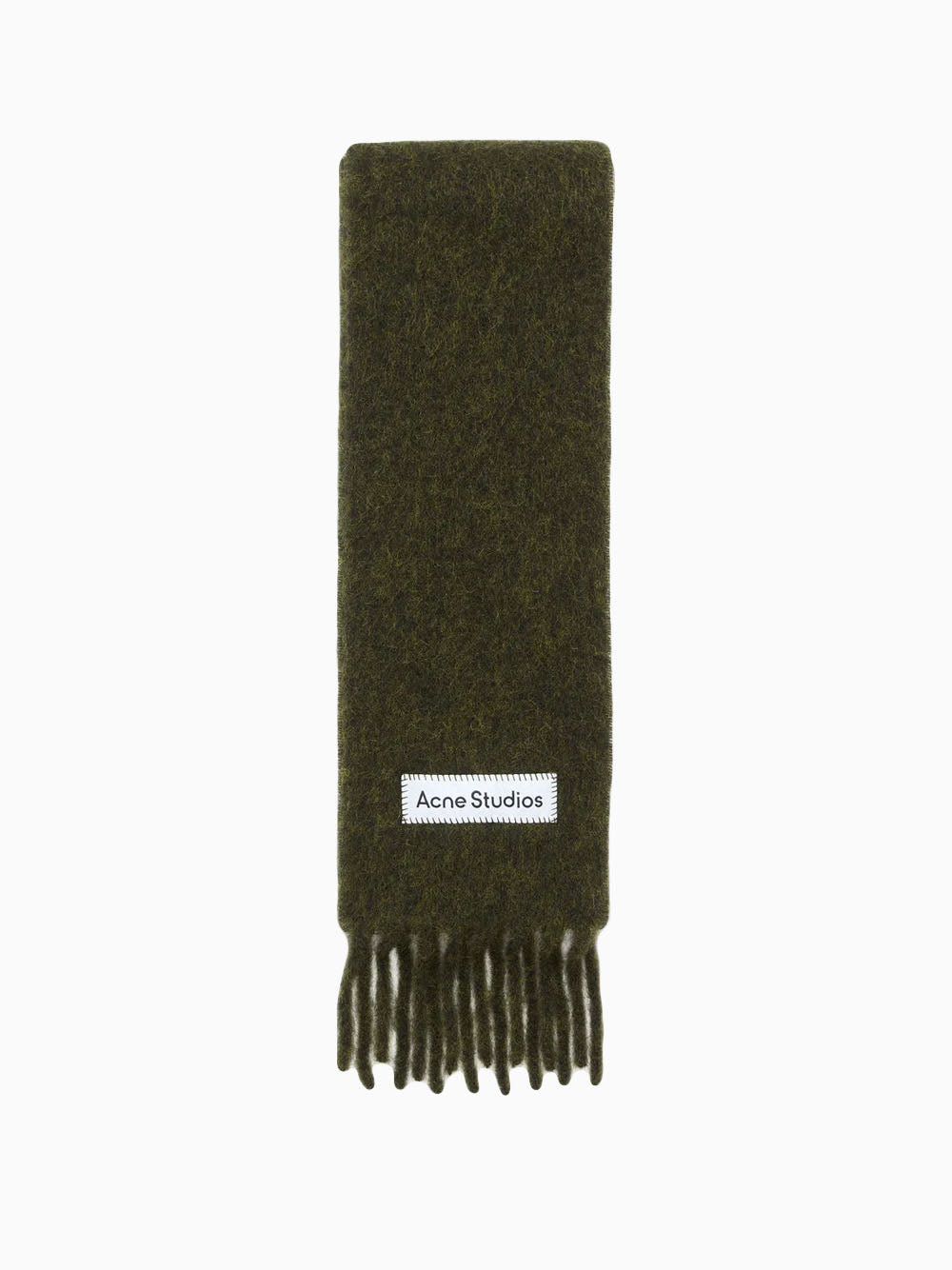
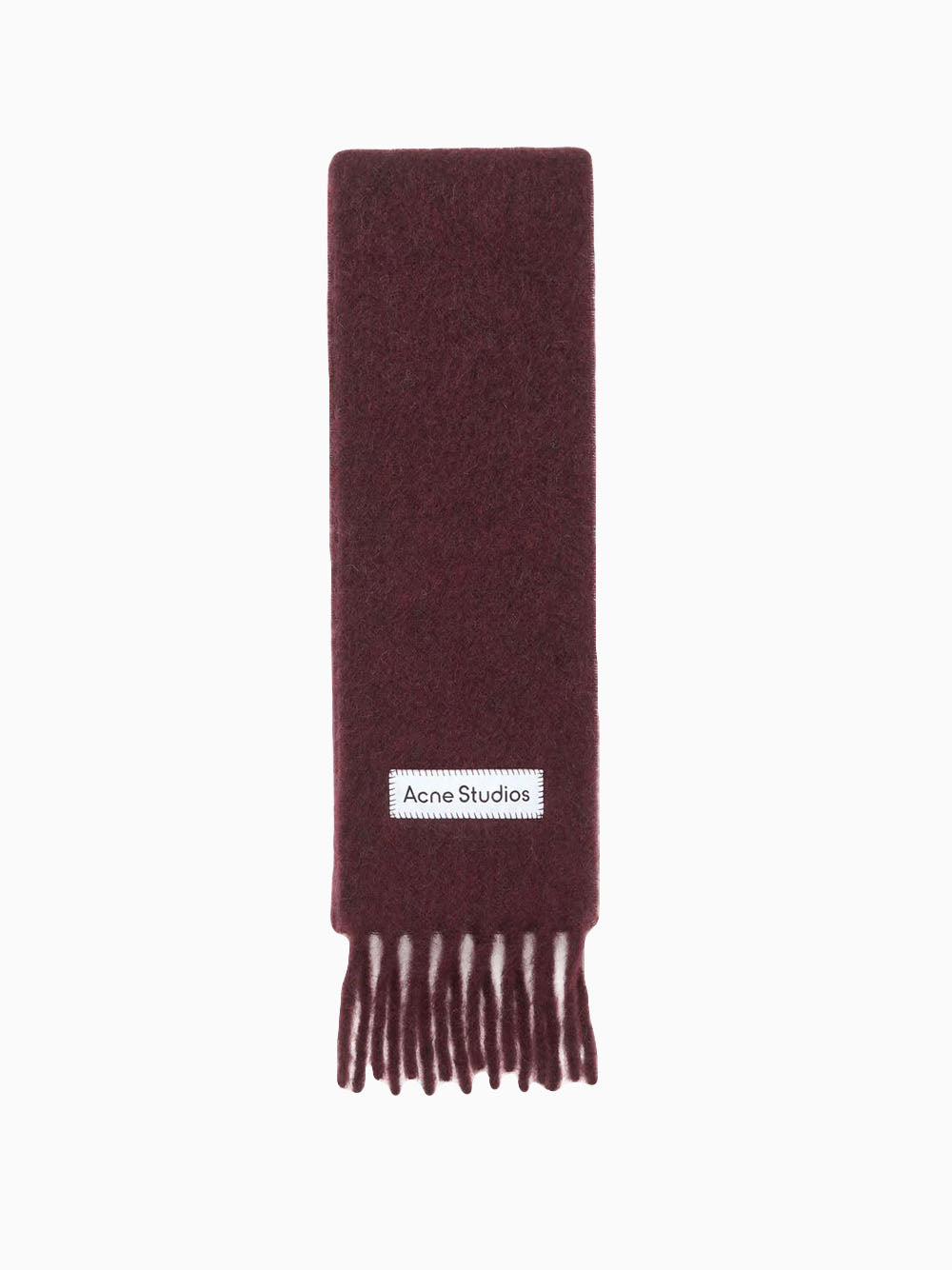
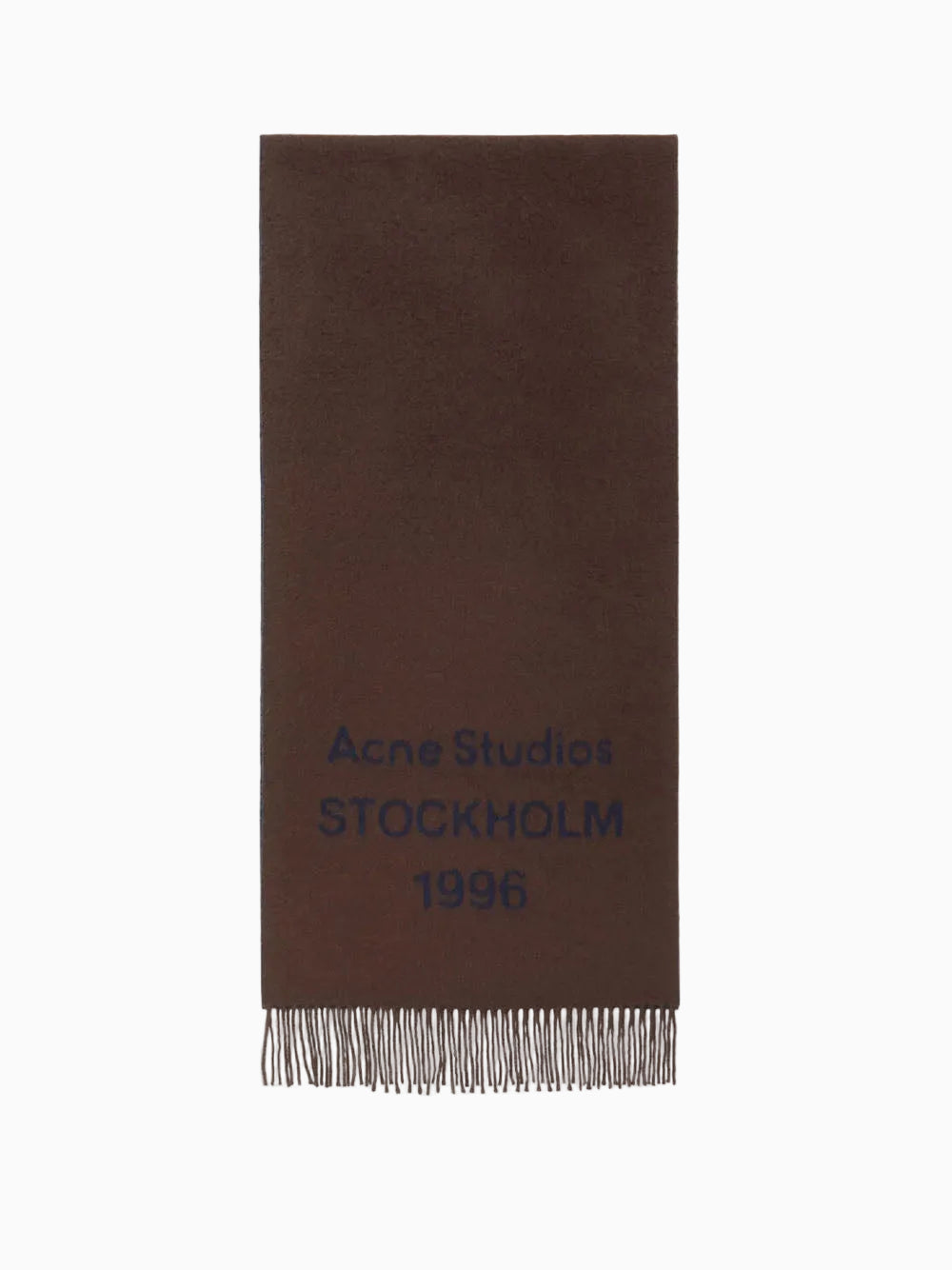
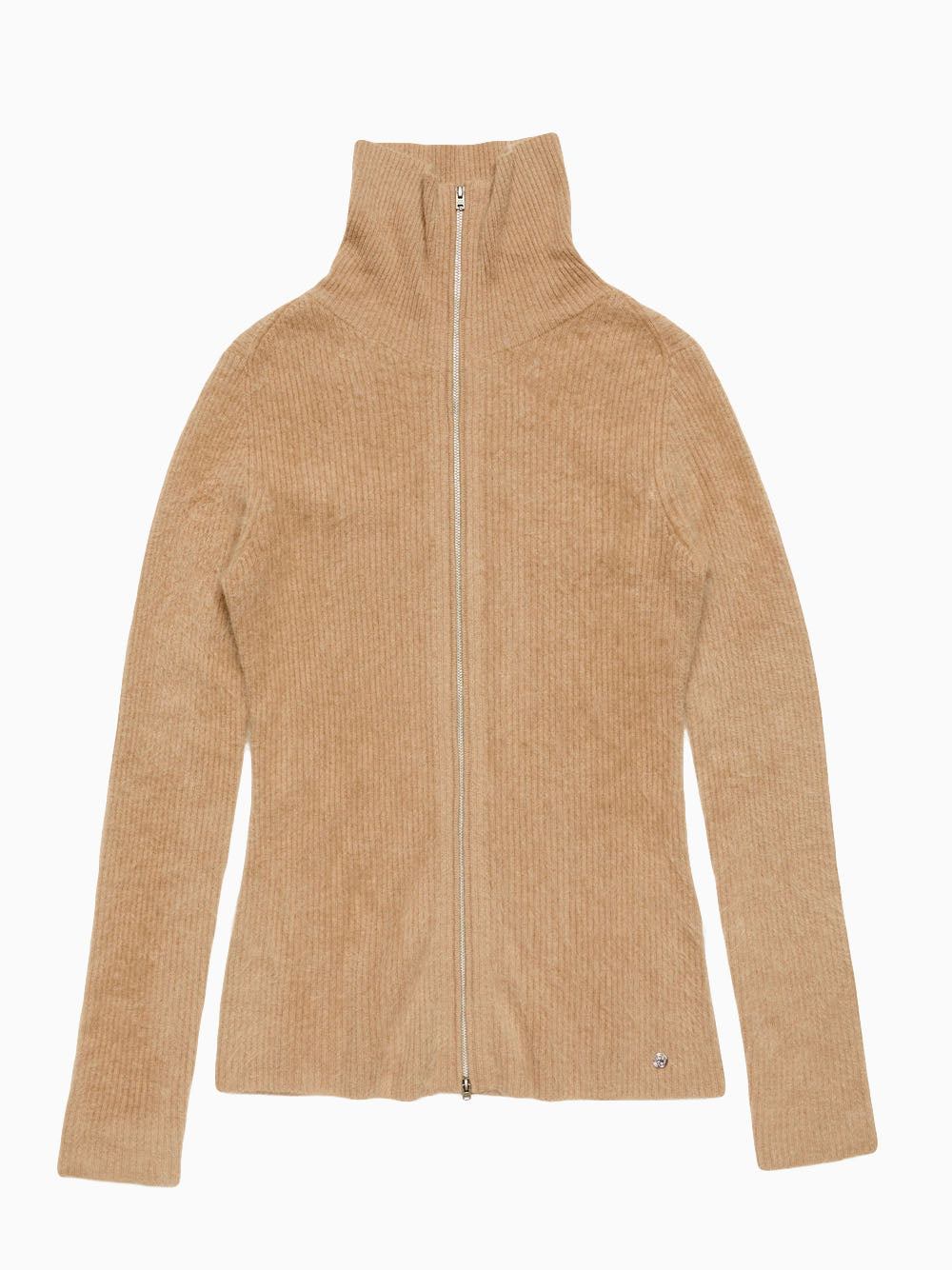
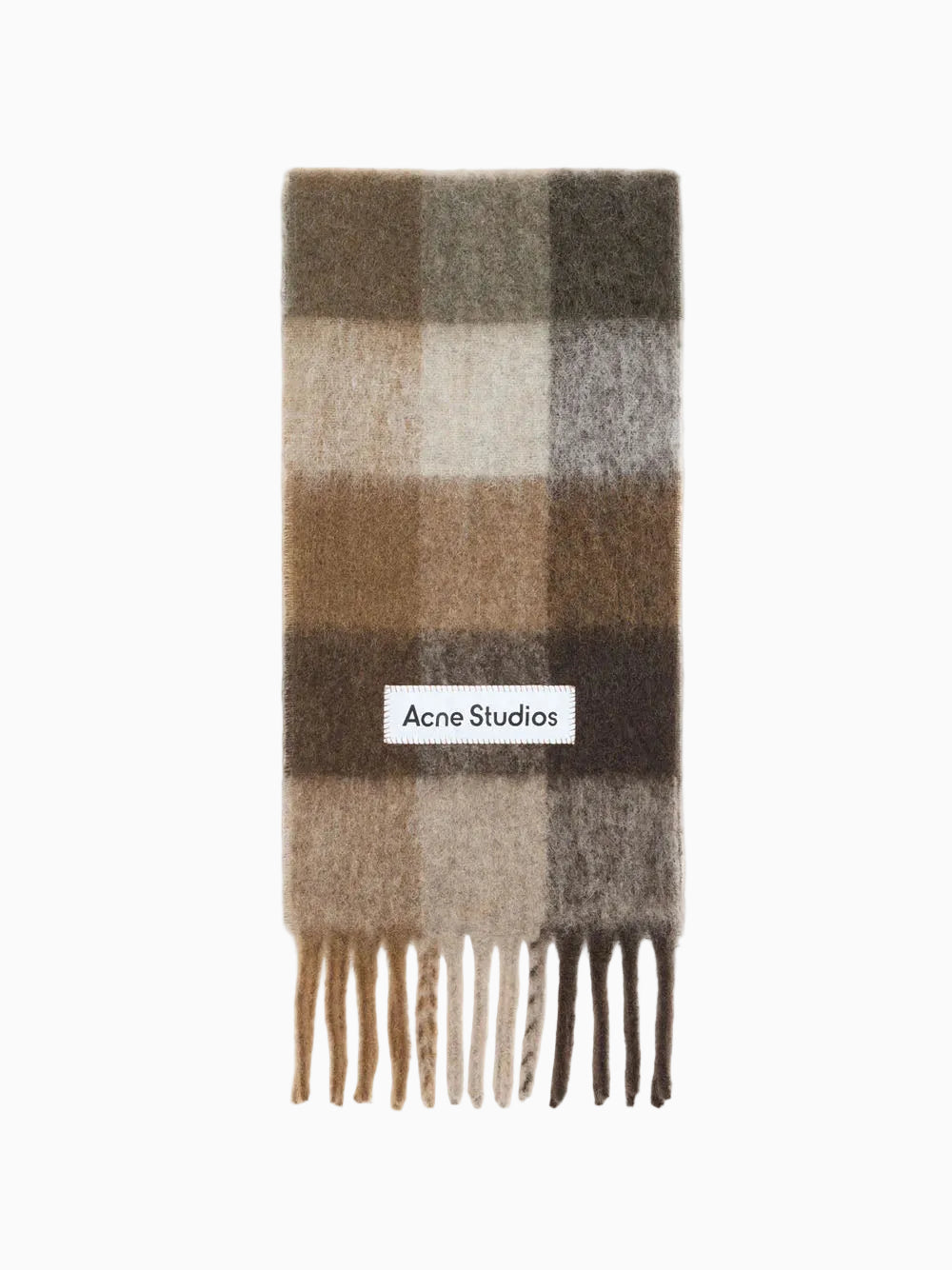
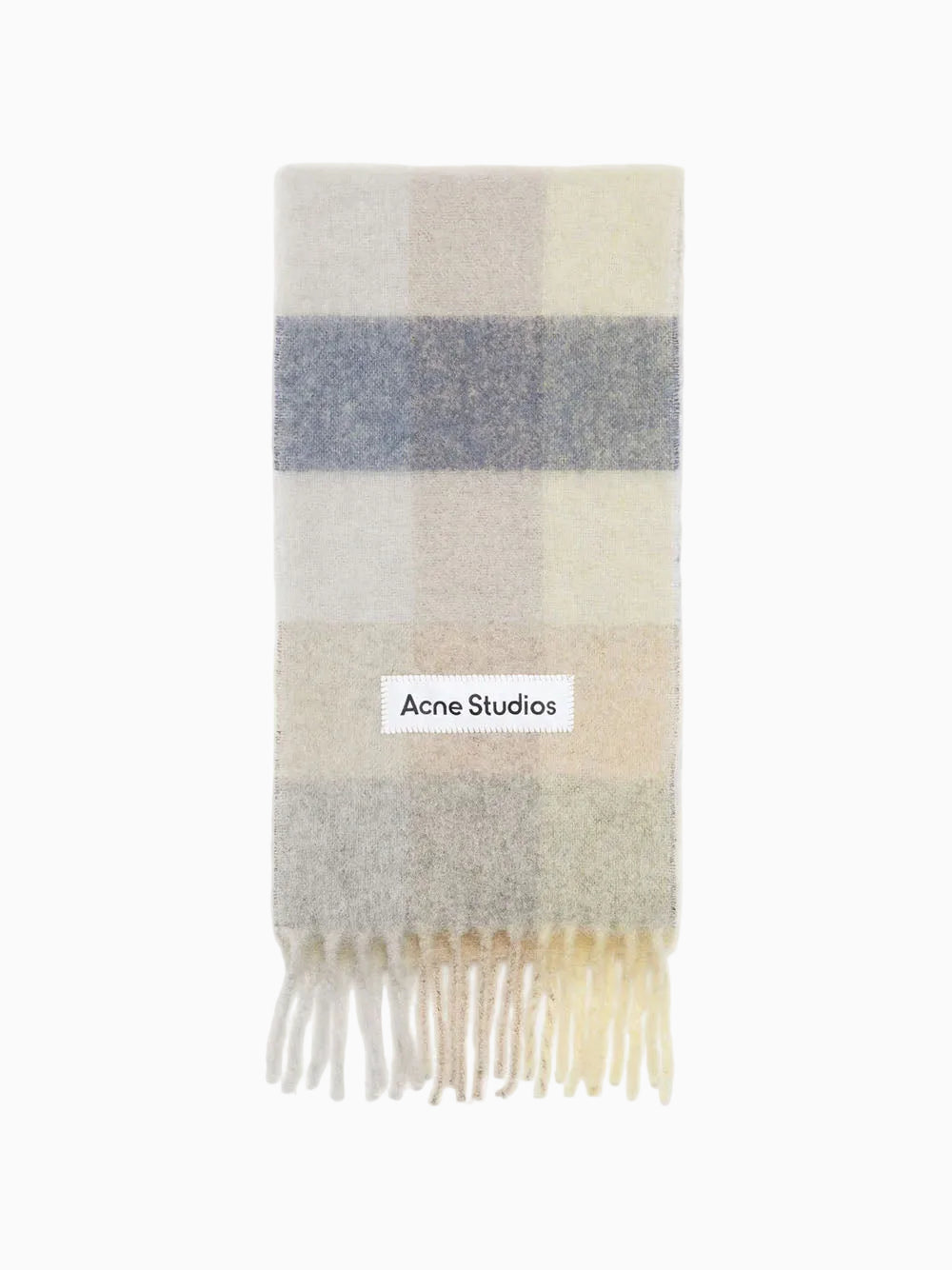
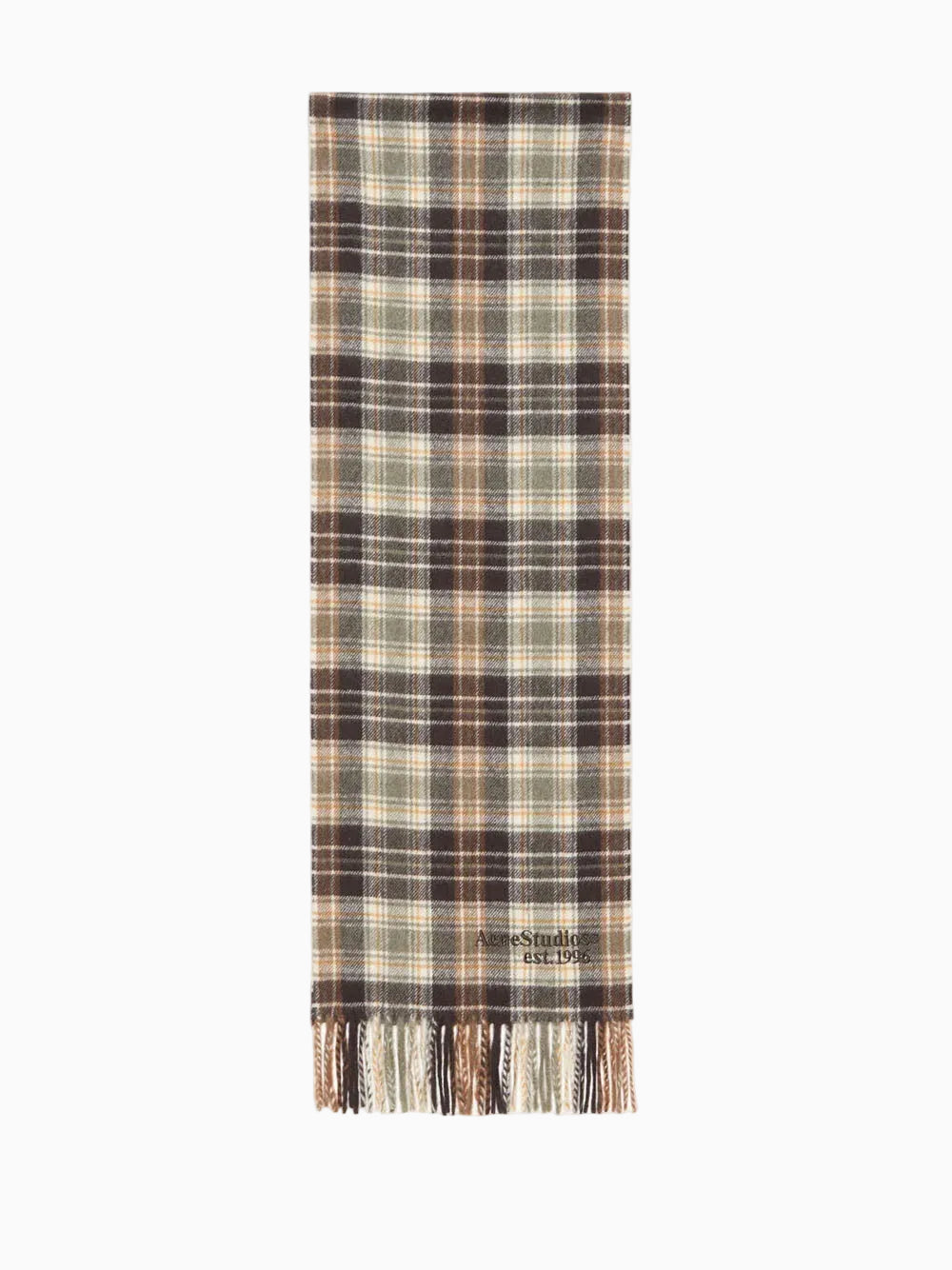
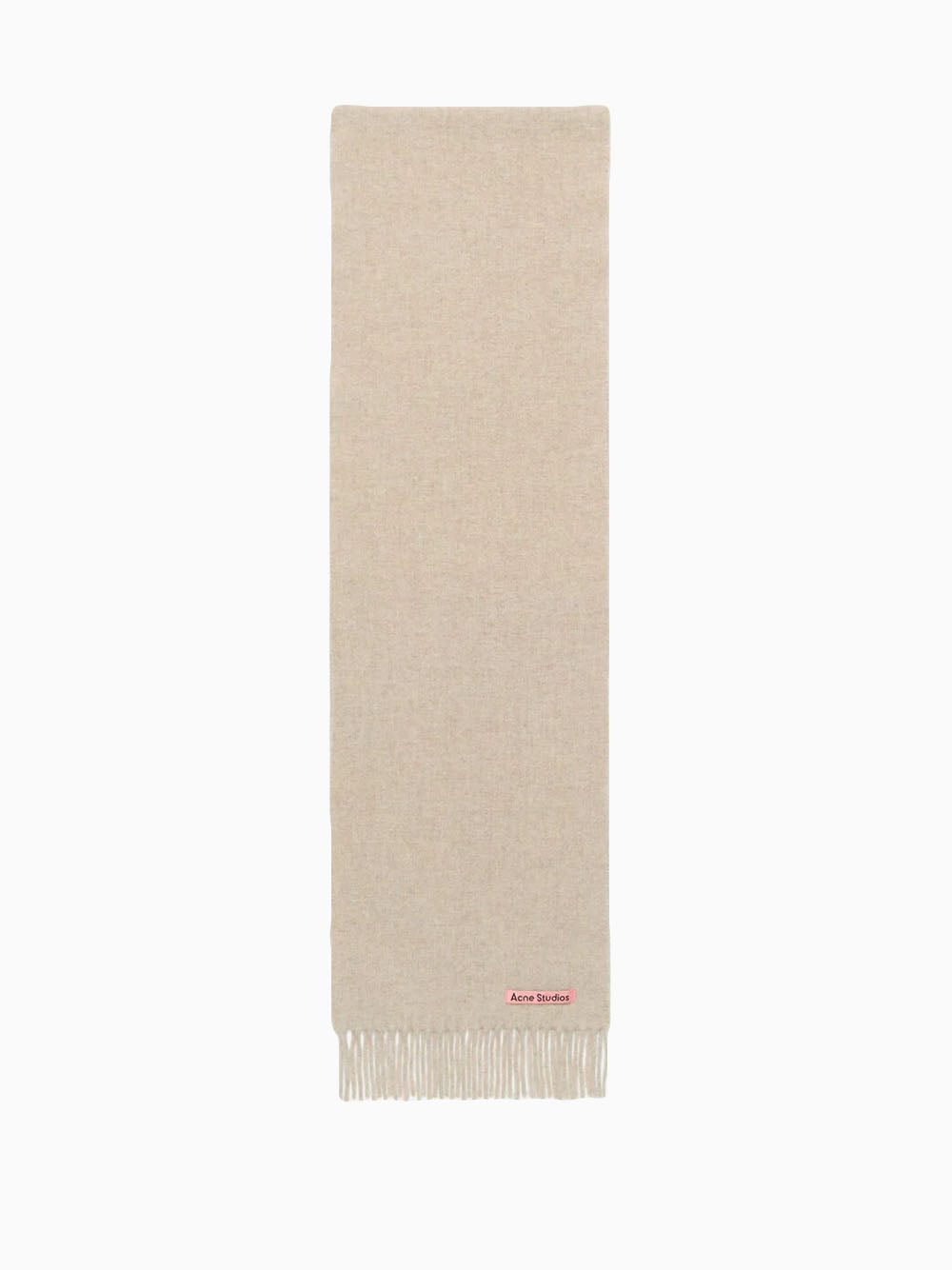
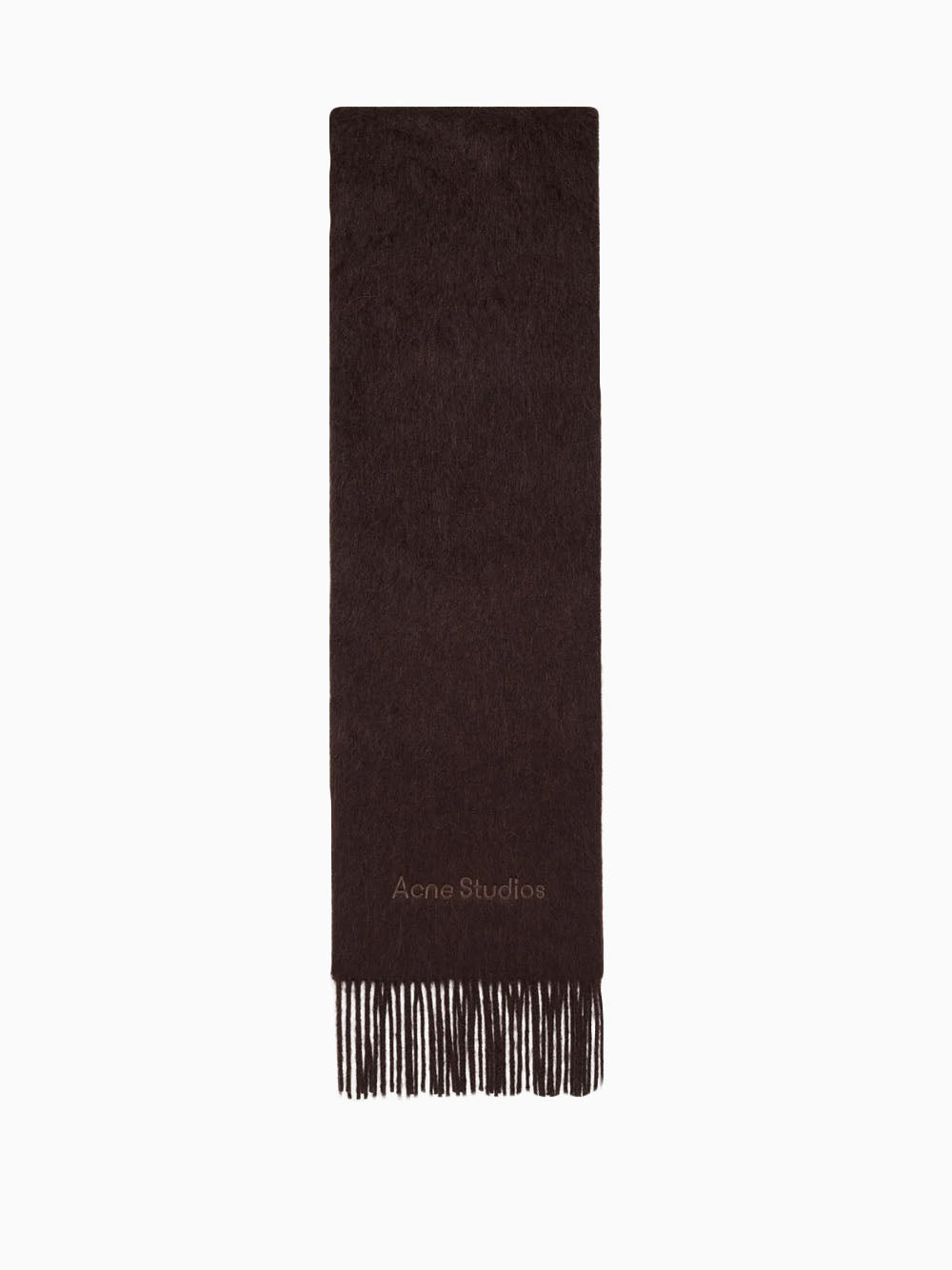
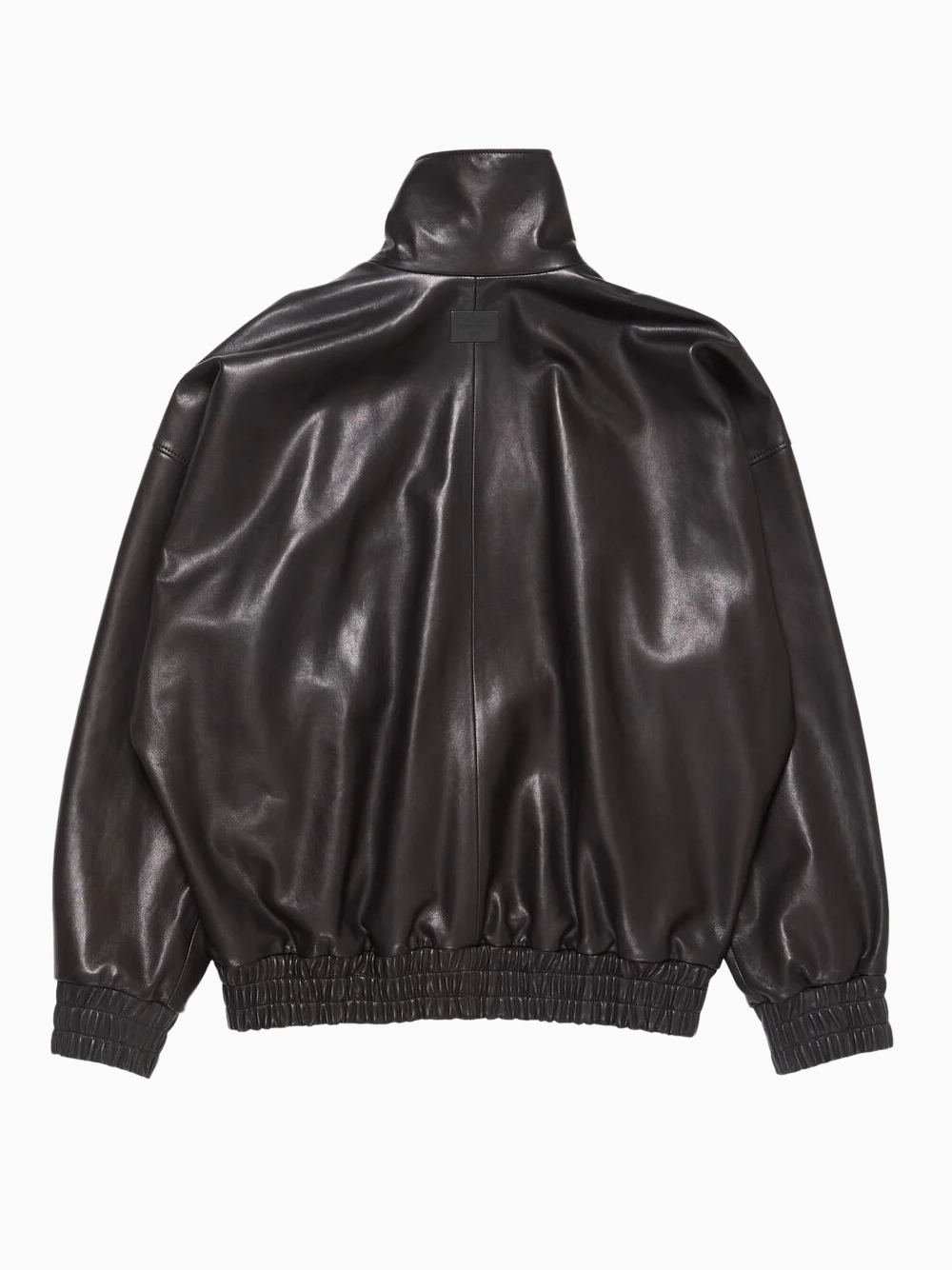
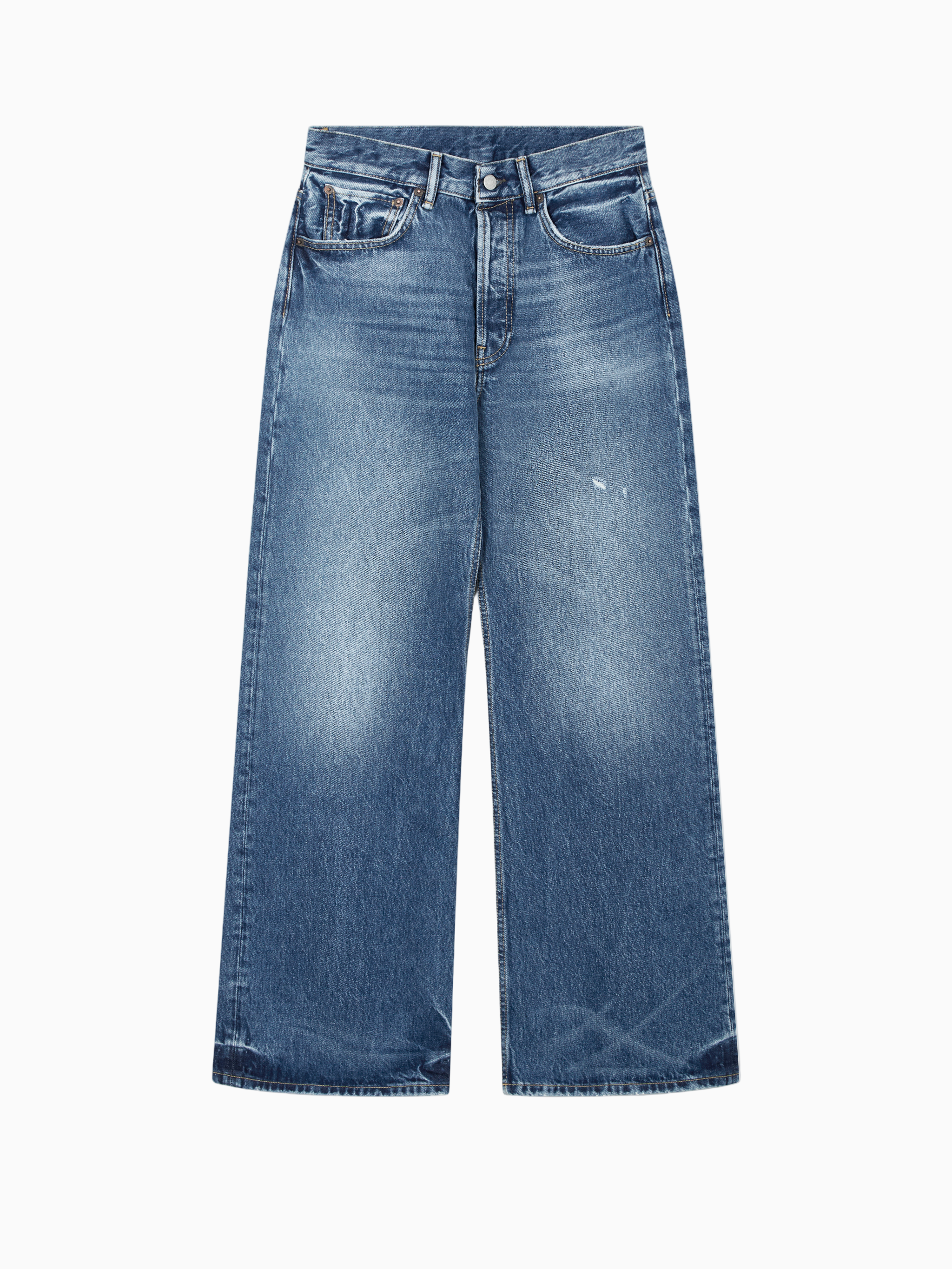
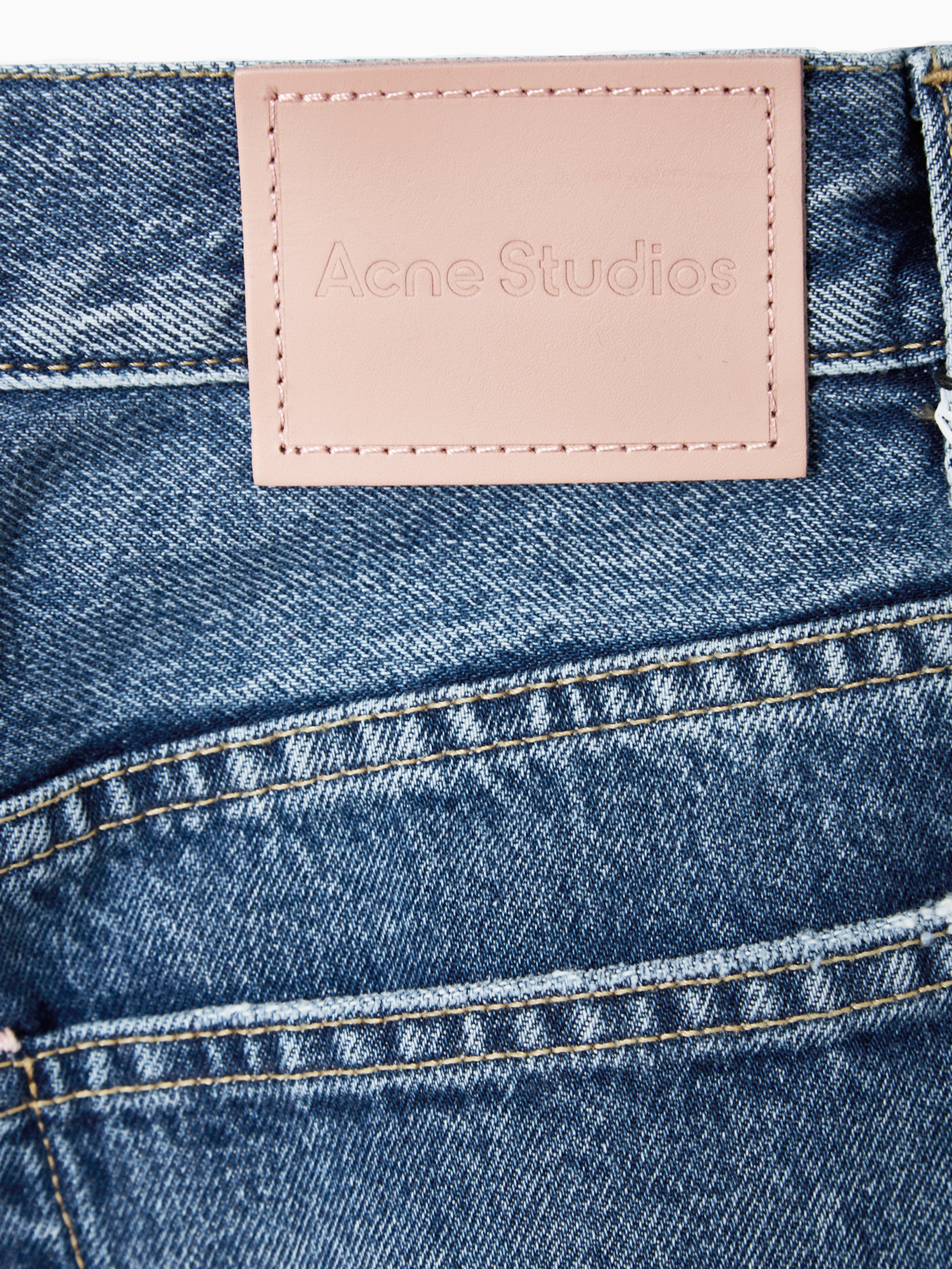
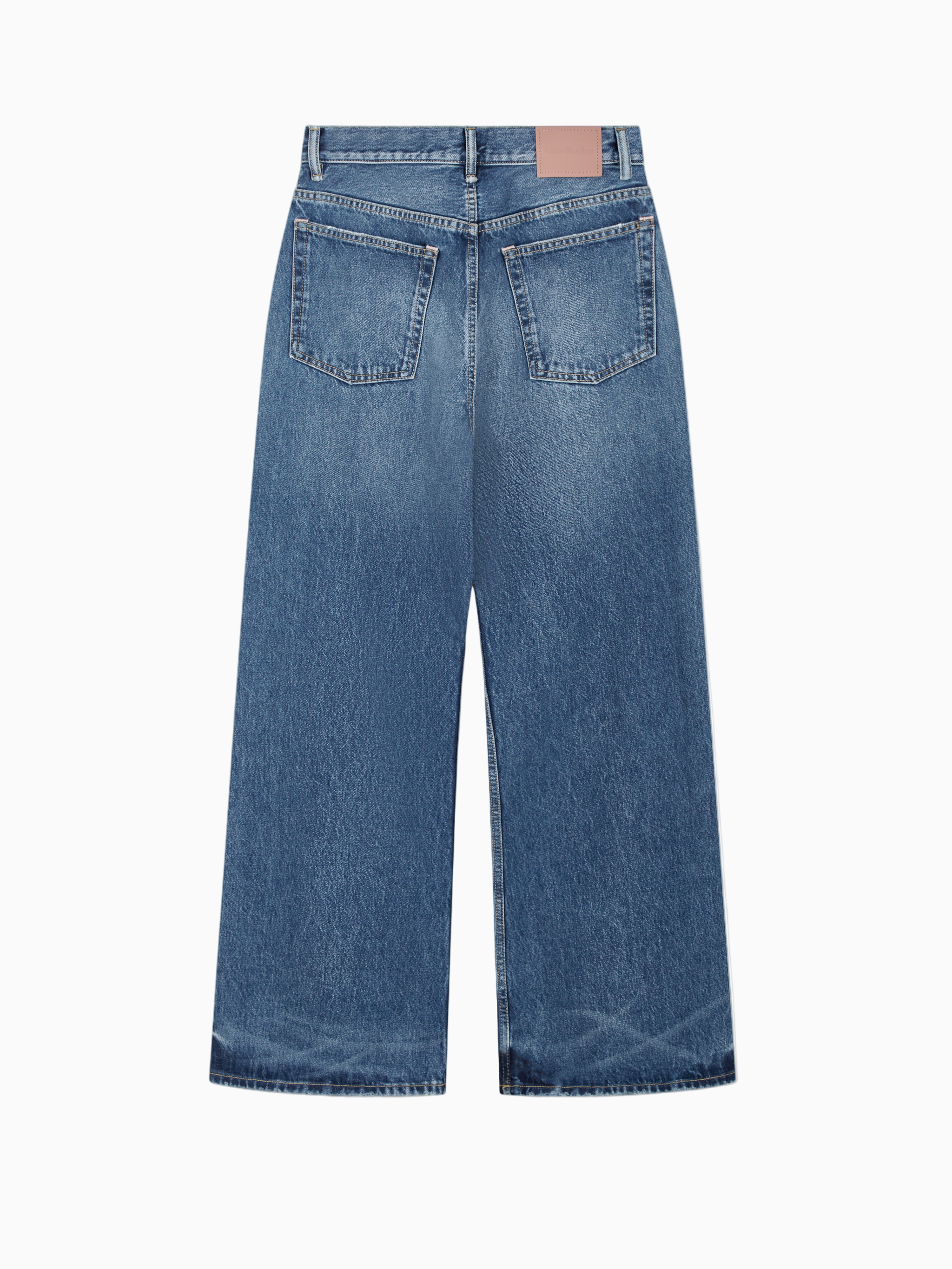
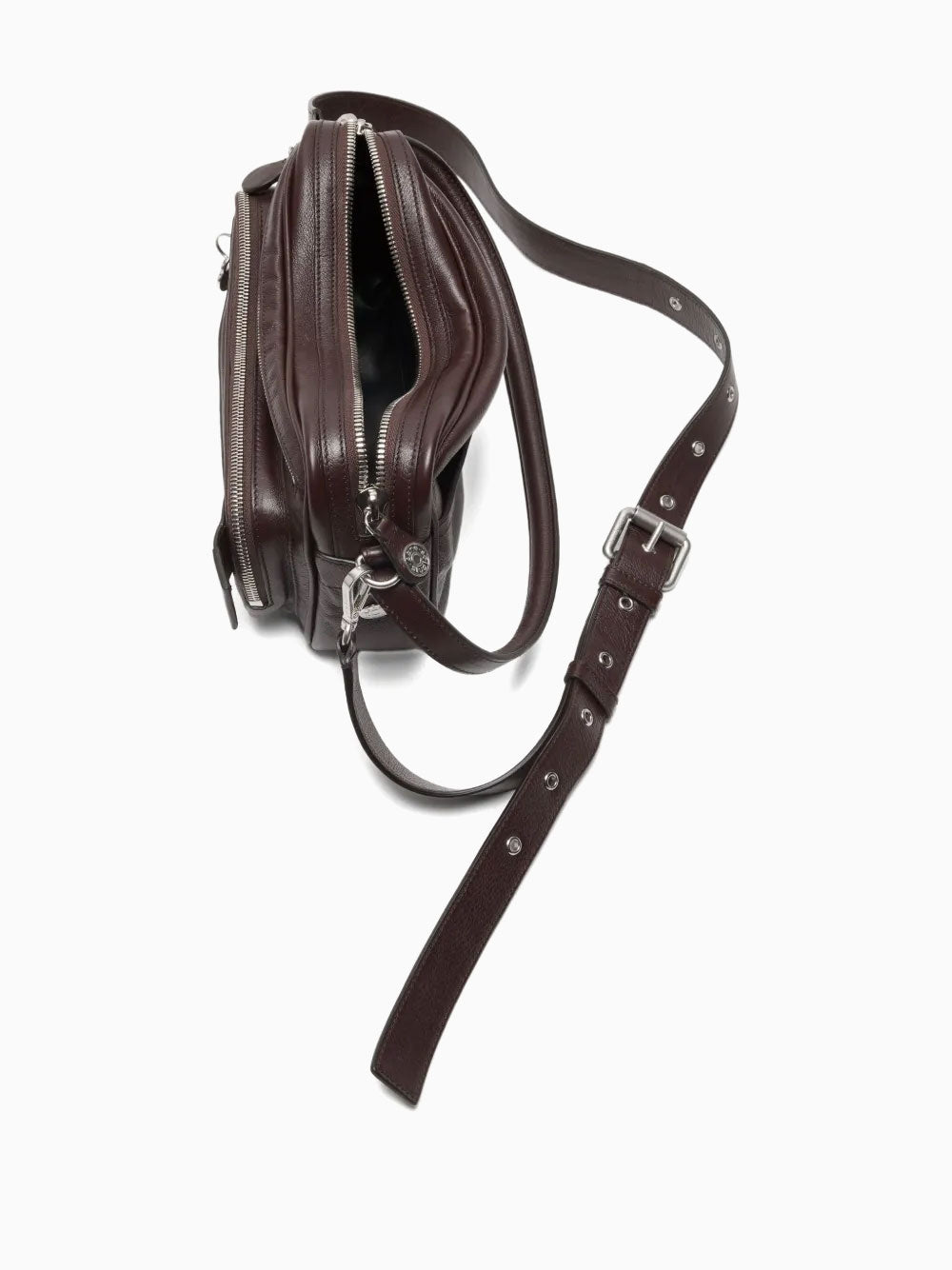
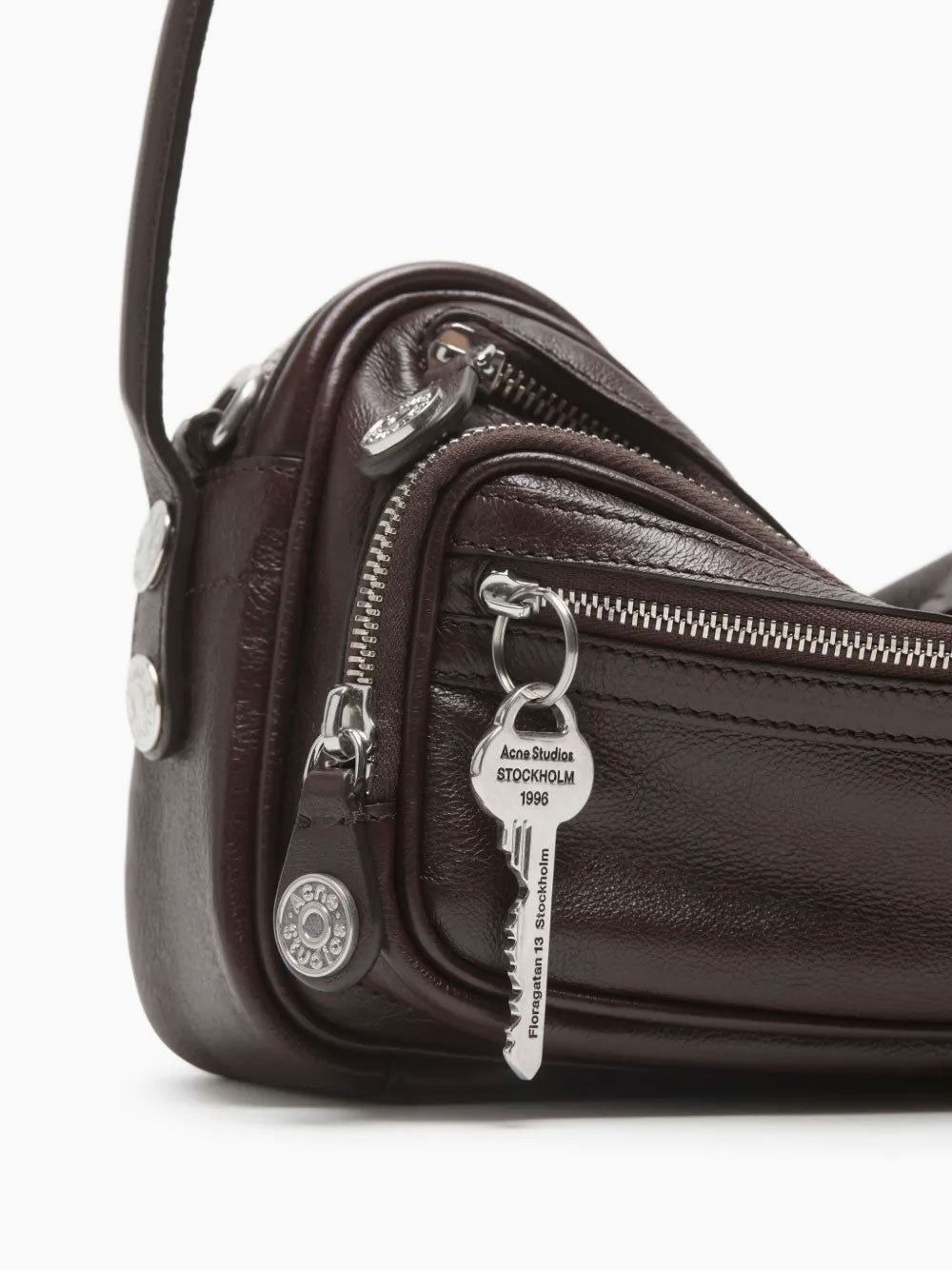
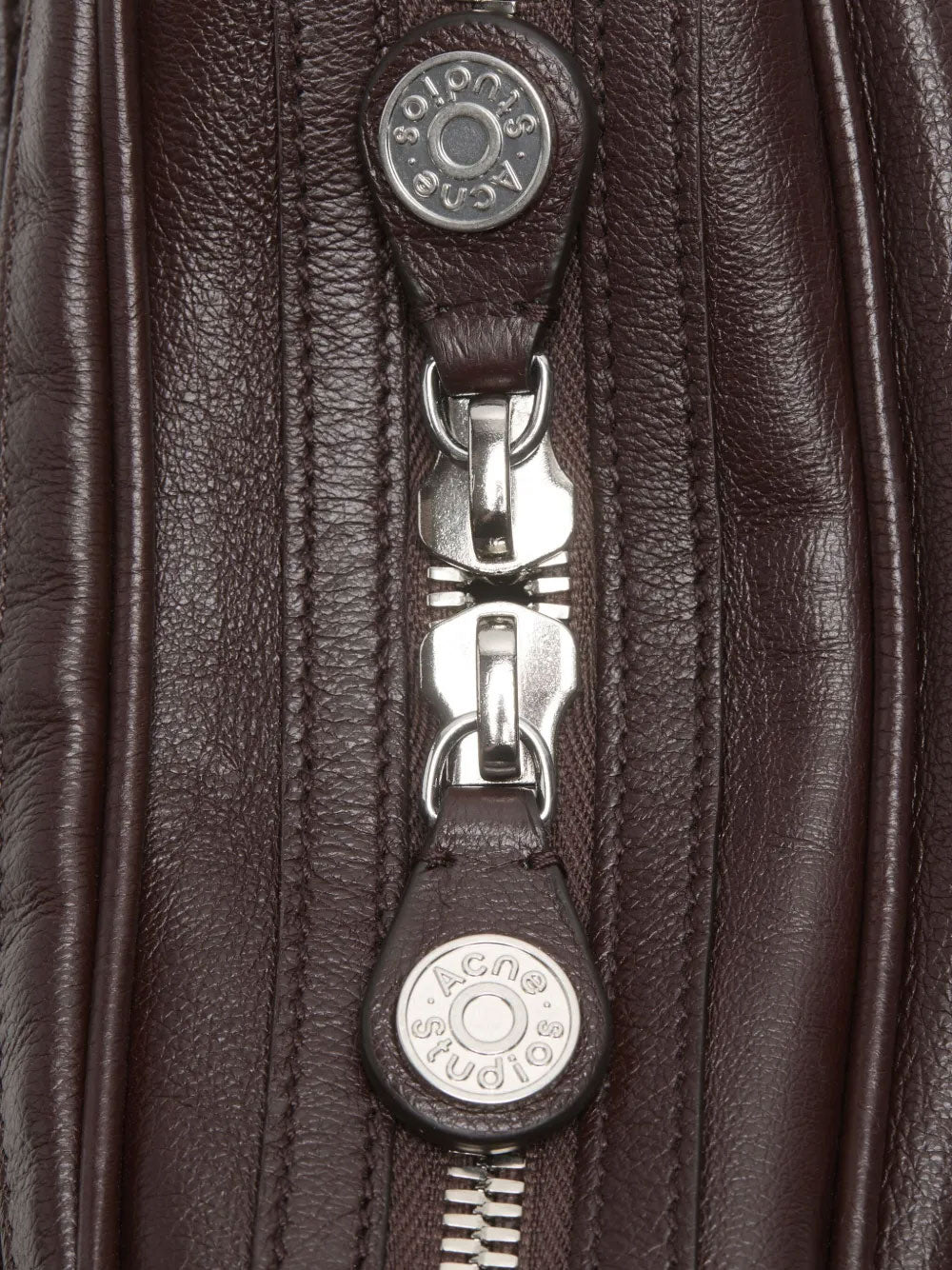
The brand grew without losing its independent spirit. In 2006, it debuted at Paris Fashion Week with a minimalist and highly graphic proposal. In 2008, it opened its first Paris boutique at the Palais Royal. From there, Acne Studios solidified a distinctive aesthetic: a Scandinavian language with a more rebellious, maximalist soul. Raw denim, oversized knits, and conceptual silhouettes became unmistakable codes of Acne Studios fashion.
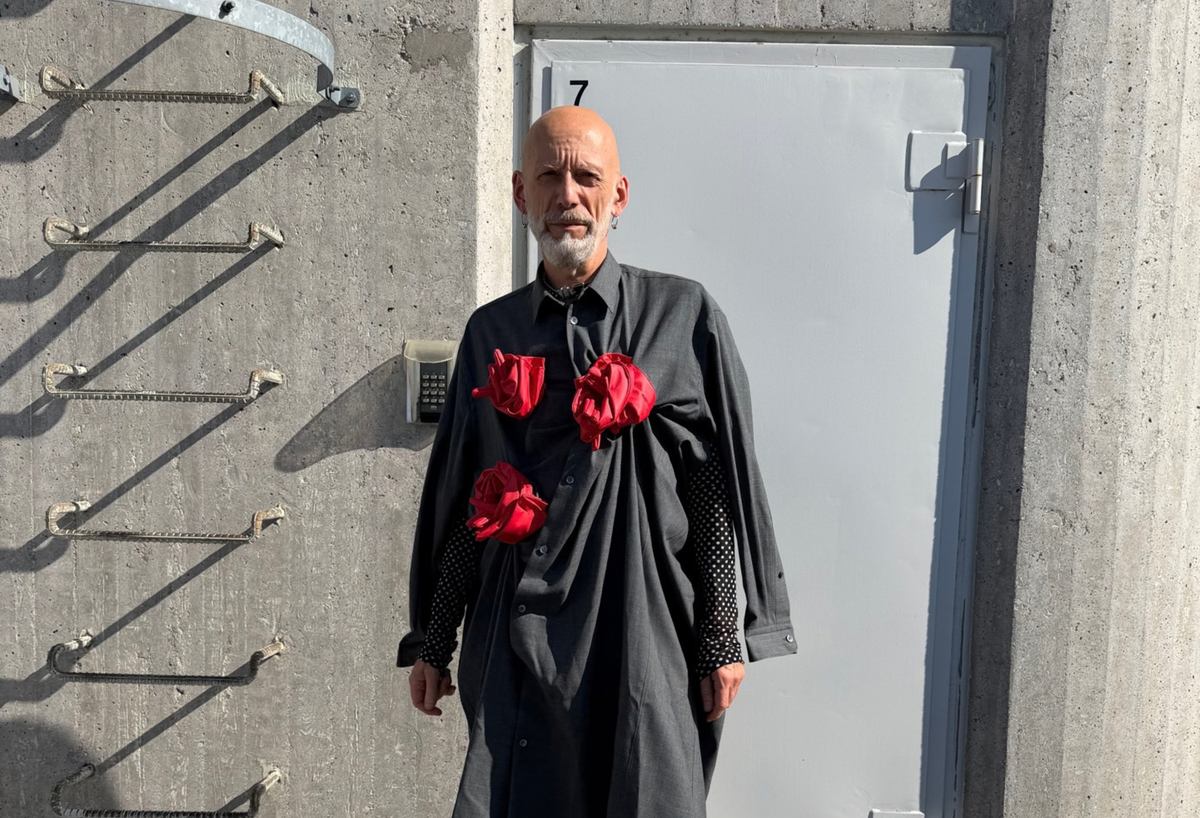
Johansson never wanted to create a conventional fashion brand. From their brutalist headquarters at Floragatan 13, the former Czechoslovakian embassy in Stockholm, he has crafted a creative system that includes fashion, footwear, furniture, exhibitions, publications, and collaborations with artists from around the world.
“For me, the thing I enjoy the most is working with my colleagues closely and seeing sometimes that I impress them. When those things happen, I can walk home on a cloud.”
Jonny Johansson
Acne Studios operates as a cultural constellation. Through its campaigns, publications, and collaborations, it has built a creative network that connects fashion to the broadest range of artistic expressions, from the street level to the highest cultural heights. For Johansson, clothing is a medium, not a final goal.
One of its most influential projects has been the acclaimed Acne Paper, a biannual publication blending editorial, essay, photography, and design with the spirit of an art object. Under the direction of Thomas Persson, it has featured names like Tilda Swinton, David Lynch, Lucian Freud, David Bailey, Irving Penn, Paolo Roversi, and Roe Ethridge. In 2025, the brand reopened its Palais Royal boutique as a living gallery to host exhibitions tied to the Acne Paper universe.
Artistic collaborations have been part of the house's DNA long before it became fashionable. From the iconic campaigns by William Wegman and his Weimaraner dogs to tributes to painters like Larry Stanton, Acne Studios has made art a natural extension of its creative world. Katerina Jebb, Hilma af Klint, Jack Pierson, Peter Schlesinger, and Shona Heath have all helped to shape a brand that speaks through multidisciplinarity.
As a frustrated musician and meticulous observer, Johansson has keenly explored the intersection of fashion and counterculture, be it punk, Nordic folk, rock, or psychedelia. His collections subvert elegance with dissonant touches. His garments speak from the margins, where imperfection and concept coexist with technical rigour and aesthetic precision.
One well-known detail is the iconic Face logo, a Scandinavian emoji inspired by the word lagom, which expresses the idea of just enough. Not too little. Not too much.