Skip to content

OTTODISANPIETRO

Get our app ✨

Download

Cart

Your cart is empty

Select your gift wrapping

WE'LL ALWAYS HAVE PARIS

The international capital of fashion hosts some of the season’s most anticipated debuts. Paris goes beyond serving as a backdrop, taking an active role in each show. A dialogue emerges between its cultural history and the collections unveiled. Beneath the Eiffel Tower, at the Tuileries, or in medieval cloisters transformed into runways, the world’s fashion epicentre converses with the icons of the city.

The city positions itself as a laboratory of storytelling. Each house must articulate a vision capable of defining its time. Dior and Loewe inaugurated new creative eras, while Acne Studios and Saint Laurent reaffirmed their status as leaders of their audiences.

Discover all the latest news from Paris Fashion Week.

WE'LL ALWAYS HAVE PARIS

Jonathan Anderson debuts at Dior

As Beka Gvishiani (@stylenotcom) noted, the Dior set (1947) for Anderson’s first womenswear show stood about 1,947 steps from the location of Christian Dior’s debut on Avenue Montaigne. We can’t verify the exact distance, but we do know that this new Dior era opened with success and expectation. It was not an absolute debut, as he had already revealed his menswear proposal back in June. Viewing his Dior Homme show remains an excellent entry point into Dior’s new language: young, fresh, and distinctly Anderson.

In the Tuileries gardens, beneath an inverted pyramid designed by Luca Guadagnino, Jonathan Anderson presented his first womenswear collection for Dior. The show opened with a short film by Adam Curtis, weaving together the maison’s entire archive: political references, runways, backstage moments, and pop culture imagery charting the path to this turning point. The message was clear: highlight the legacy before setting a new direction.

On the runway, Anderson stretched the founding codes with his characteristic humour and precision. The Dior New Look was reworked into miniskirts that subverted the memory of the Dior Bar Jacket, coats folded in on themselves, impossible volumes, jackets that opened at the waist, and a language of proportions both playful and incisive. There was pink denim, black leather, tense-shouldered tailoring, and birdlike headpieces that injected drama.

The archive was a starting point, but not the destination. Thus emerged La Cigale, a new bag inspired by a 1952 Dior dress. Footwear played with transparencies, masks paid tribute to Roger Vivier, and cheeky cuts introduced a note of irreverence. Bows, the leitmotif of the show, ceased to be mere ornament and became structural: transformed into skirts, bustiers, and gown trains.

Galliano devotees may have expected more theatricality, while followers of Maria Grazia anticipated simplicity. Instead, Jonathan Anderson for Dior S/S 2026 proved to be an exercise in mastery of the house. A first contact with an international emblem of fashion, one with a storied past and a long history still ahead. The standing ovation and critical acclaim reaffirmed what Anderson himself summed up with modest simplicity: “Dior is drama.” With this debut, he returned that intensity to Dior, opening a modern and reflective new cycle for the maison.

Loewe: colours of the Peninsula

The anticipation was inevitable. Only days after Jonathan Anderson’s Dior debut, Loewe opened a new chapter under Jack McCollough and Lazaro Hernandez. The Proenza Schouler founders chose an Ellsworth Kelly as a prologue, a yellow-and-red canvas at the entrance foreshadowing what was to come: colour, energy, and a hot-blooded sensuality.

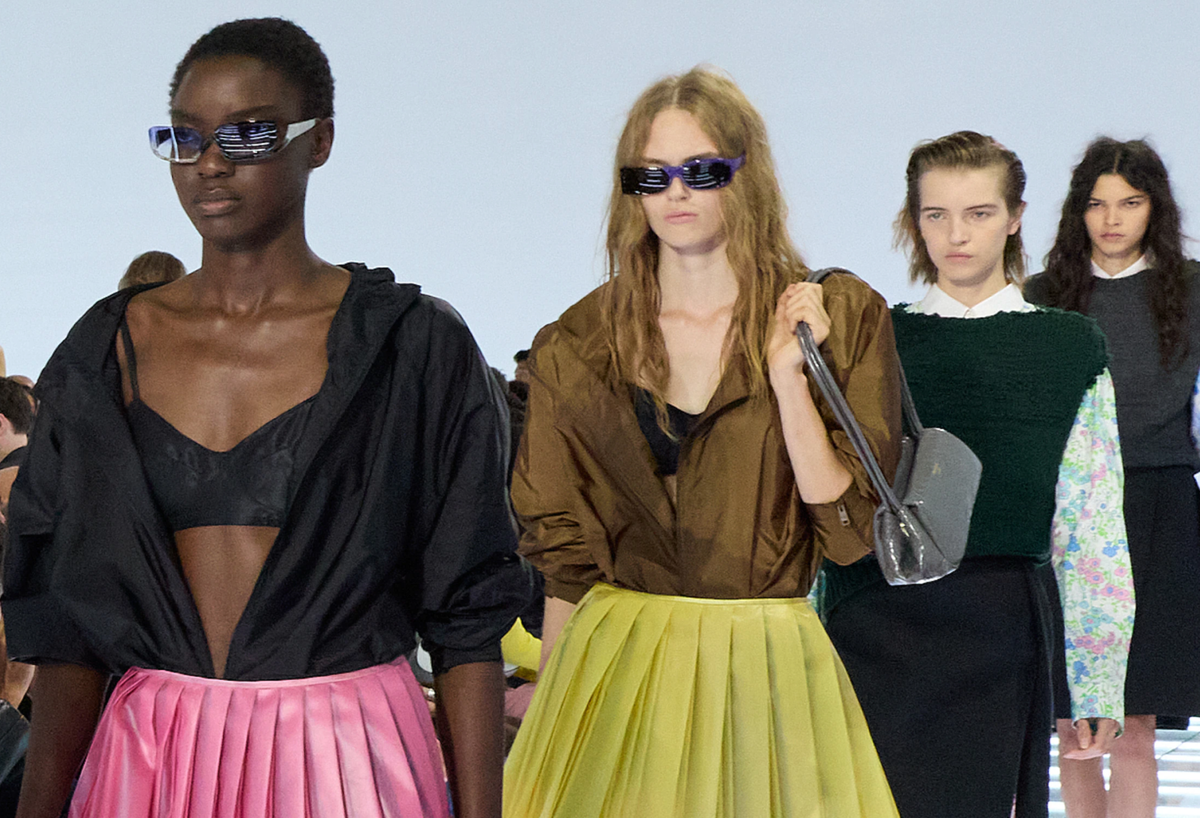
The show steered Loewe toward a more physical, direct vision. Leather jackets moulded like scuba suits, towel-like dresses, very summery miniskirts, and scrunched-up T-shirts narrated a carefree day at the beach, complemented by models’ slicked-back wet hair. Yet the Spanish house’s rigour was omnipresent: sharp architectural tailoring, layered shirting, and artisanal treatments, from hand-painted leather to glass-blown bags, underscored Loewe’s deep craft heritage.

Spanish identity emerged explicitly in the exaltation of the body, heat, and freedom. As Hernandez put it: “There’s a freedom of expression, and an emotional quality that’s quite fierce and fiery and hot.” That intensity materialised in body-hugging dresses, almost liquid leathers, sweaters reinterpreted as crop tops, and puffed anoraks in primary colours. The new Amazona 180, with a single handle and relaxed slouch, marked the start of a refreshed accessories line, while the reinvented Flamenco revealed vibrant ruffles hidden within its folds.

What distinguished this debut was its clarity of intent. McCollough and Hernandez played with new exuberance yet never abandoned Loewe’s technical precision, proving their ability to translate the house’s codes into a new, transatlantic vocabulary. Their palette, inspired by Mediterranean brightness, carried an unapologetic joy, while their silhouettes retained nods to their personal work and artistic penchant. The effect was an encounter between two cultural temperaments, fiery Spanish energy and pragmatic American artistry and modernity

Thus, rather than erase Anderson’s eleven-year legacy, McCollough and Hernandez chose to listen to the maison’s codes and extend its fervent chapters: leather, craft, and material ingenuity. Their debut was not a revolution but a careful balance of respect and play. Loewe appeared more approachable, more vibrant, and unmistakably energetic. The promise now is a Loewe of their own, shaped by Iberian intensity and the New York freshness of its new directors.

Rather than erase Anderson’s eleven-year legacy, McCollough and Hernandez chose to listen to the maison’s codes and extend its fervent chapters: leather, craft, and material ingenuity. Their debut was not a revolution but a careful balance between respect and play. Loewe appeared approachable, more vibrant,  and unmistakably energetic. The promise now is a Loewe of their own, shaped by Iberian intensity and the New York freshness of its new directors.

Saint Laurent: the eternal song to Paris

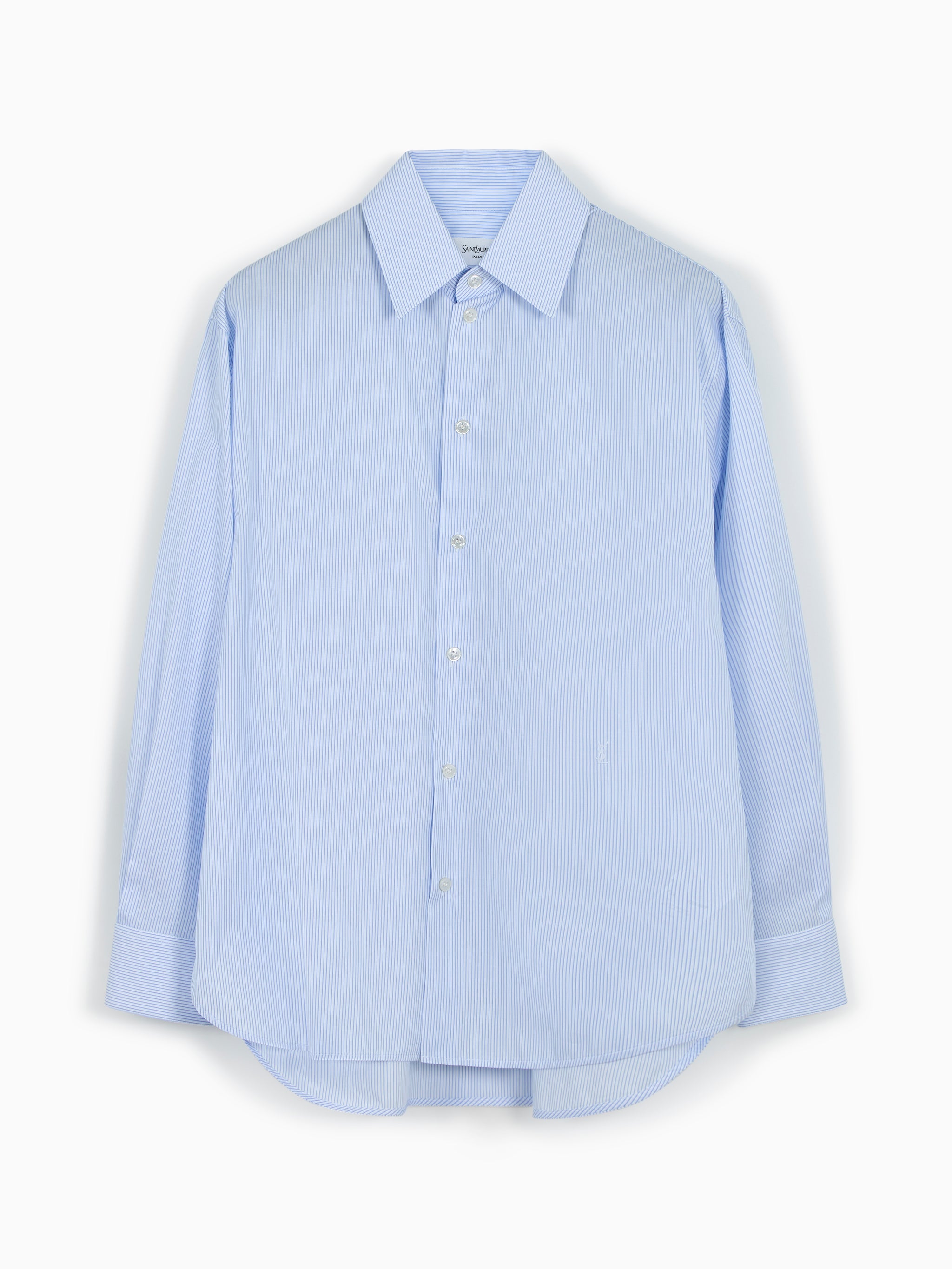
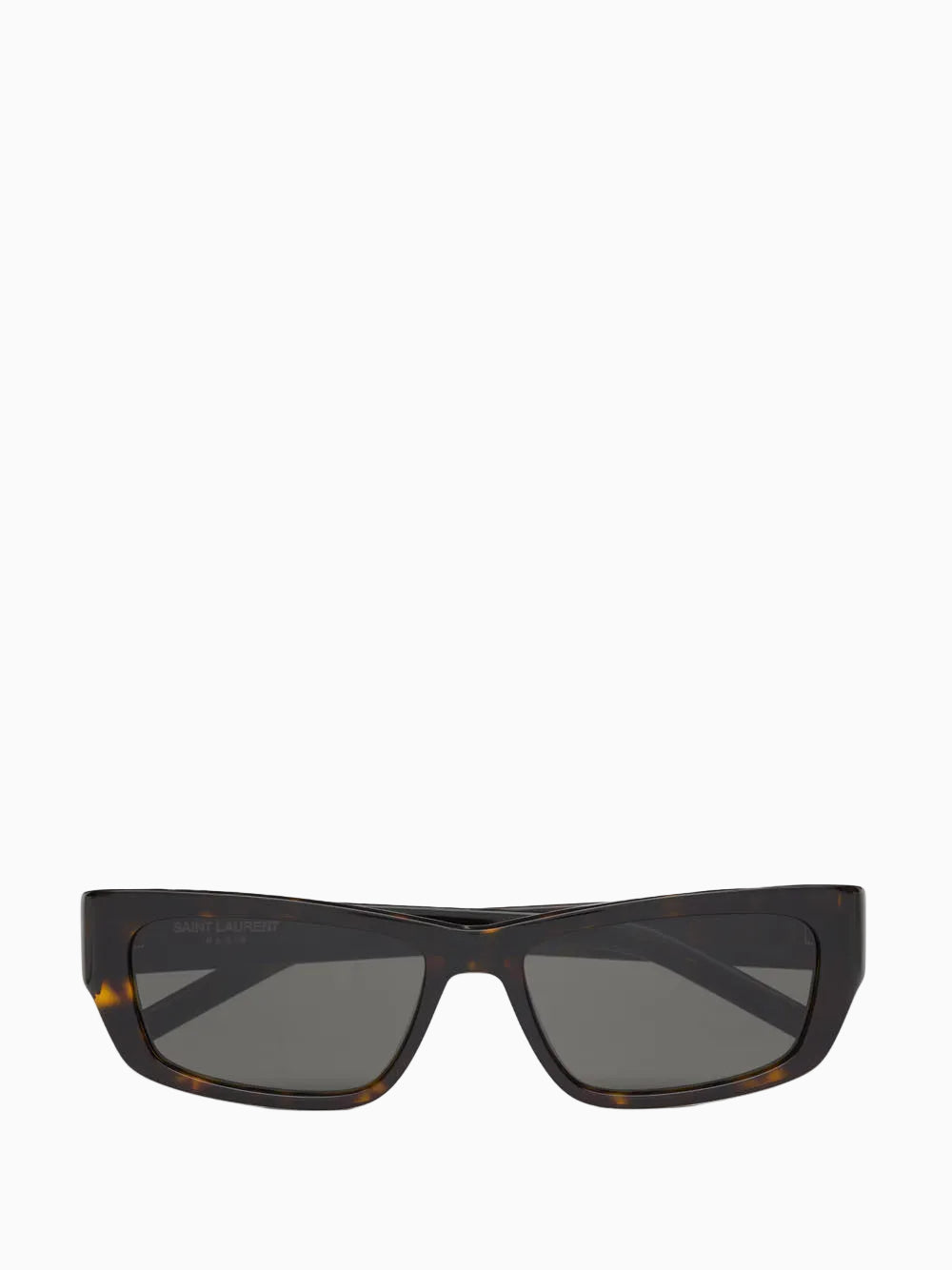
Who can forget Laetitia Casta swathed in roses for one of Yves Saint Laurent’s final shows in 1999? This season, the memory returned instantly upon seeing the set: a French garden of white hydrangeas at the foot of the Eiffel Tower, shaped into Cassandre’s legendary YSL logo. The atmosphere was unmistakably Parisian, charged with nostalgia yet alive with anticipation, as if the city itself had conspired to set the stage for Vaccarello’s vision.

As every season, Paris Fashion Week began under the glowing silhouette of the tower with Anthony Vaccarello’s proposal, when the city’s bustle seemed to pause for his open-air spectacle. he front row, brimming with global icons, confirmed the magnitude of the event, a reminder that Saint Laurent runway shows are moments of cultural theatre.

The Spring/Summer 2026 collection unfolded in three distinct acts. First, leather as armour: broad-shouldered jackets, pencil skirts, pussy-bow blouses (a nod to his 2023 menswear collection), and clear echoes of Robert Mapplethorpe in every leather look. Its disciplined, almost militaristic sensuality contrasted with the delicacy of the setting.

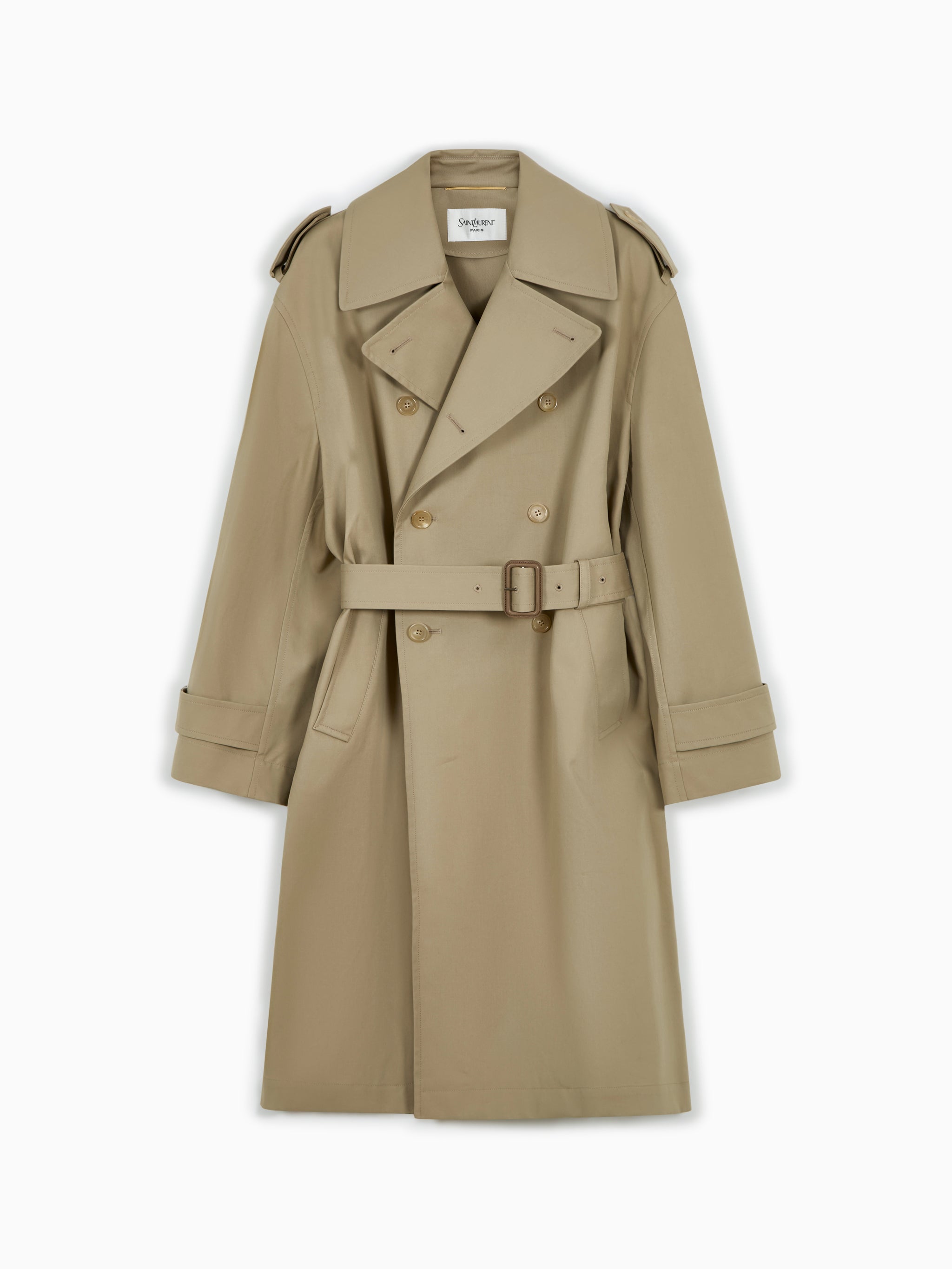
The second act introduced parachute-fabric dresses and vivid trench coats, evoking the spirit of the 1966 Rive Gauche line, a pioneering moment in prêt-à-porter. In today’s turbulent context, their lightness reminded us that everything returns ,  after moments of tension, euphoria and liberation inevitably follow. They floated like symbols of resistance and renewal, carrying a contemporary urgency beneath their playful surfaces.

The finale was a crescendo of drama. Monumental gowns in technical fabrics, referencing Sargent’s Madame X and even Marie Antoinette, reimagined opulence through motion. Far from aristocratic languor, models strode decisively, their trailing trains floating like imprints of power.

It was as if Vaccarello distilled the very essence of the Saint Laurent legacy, sensual yet strict, seductive yet confrontational, into a vision for the present. His silhouettes offered women a form of armour, garments that carry a sense of authority.

In Paris, under the tower’s lights, Saint Laurent once again defined what modern glamour can mean: a showcase of strength, beauty, and memory reframed for a restless era.

Acne Studios: what if we rebelled?

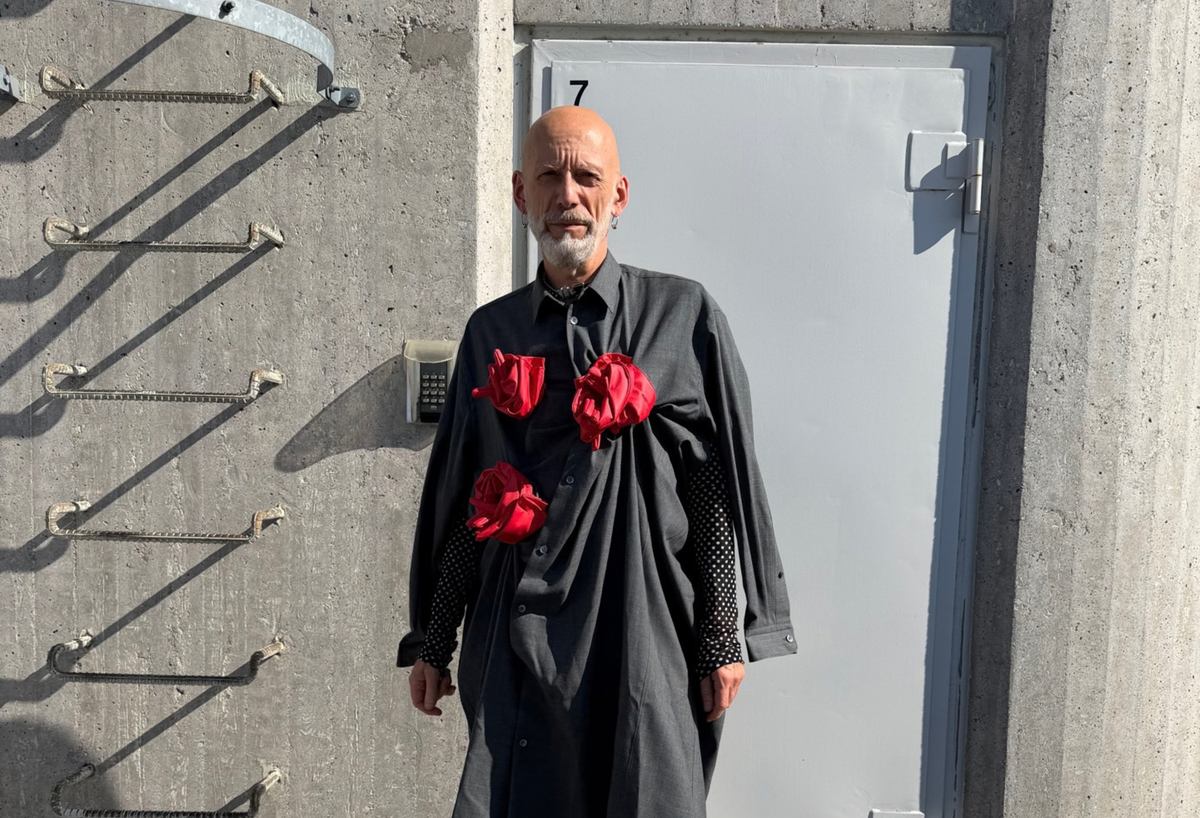
Jonny Johansson has crafted something unique, with the spirit of Acne Studios’ early days as an artistic collective spanning multiple disciplines. His subversive eye and innovative capacity show that Acne is not only polyphonic but also polymorphic.

The Spring/Summer 2026 runway unfolded under the Gothic arches of the Collège des Bernardins. The setting evoked a deliberately masculine space, which Johansson used precisely to dissolve those boundaries. The collection emerged as a capsule of the present, a reflection on the overlaps of femininity, masculinity, the everyday, and performance in constructing a complex identity. Like Whitman, one that contains multitudes.

The show featured lumberjack shirts and deconstructed jackets, ripped apart and reassembled with tactile experimentation. Denim coated in latex, waxed and spray-painted leathers, and reimagined uniforms created a patina of garments that felt lived-in, marked by physical labour. Against this rawness arose incisive femininity: patchwork lace second-skins, dresses and corseted structures exaggerating the body into sculptural form.

The soundtrack, curated by Robyn with new tracks and a reworked Robotboy with Yung Lean, amplified the ongoing swing from sentimental to raw. The artist herself, front row in patent leather, very much became the embodiment for the collection’s spirit. Music and fashion became one within a dialogue, shifting between melancholy and provocation, underscoring the emotional duality that Johansson pursues.

Covetable pieces abounded: thigh-high cowboy boots, oversized tuxedo jackets, and updated versions of the Camero bag and the Hotel bag in fringed leathers. These accessories added both wit and commercial desirability, reinforcing Acne's own hybrid of intellect and cool. They stood out as objects of desire not only for their design, but for their cultural relevance, embodying the restless energy of a generation seeking constant reinvention. 

What emerged was less a seasonal wardrobe and more a manifesto of contemporary identity. Acne Studios thus cemented its role as a seismograph of the zeitgeist: a brand that translates the sensations of the present into highly desirable fashion while refusing to fit any single definition.

Join the conversation in our socials