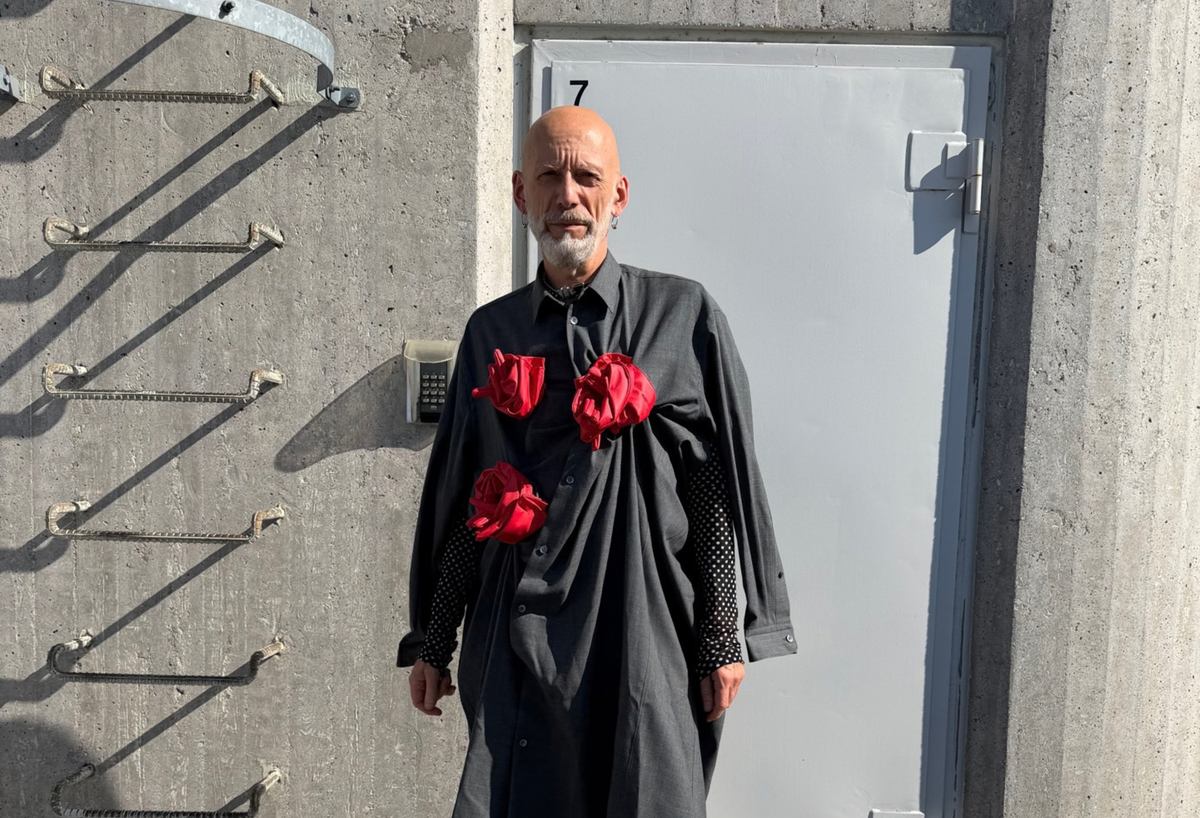
The world created by Demna Gvasalia (1981) throughout his trajectory is shaped more by observation, and of course social critique, than by aspiration. Demna does not construct his fashion from the concept of aspiration, but from an observation marked by his personal experience in Georgia. His biography, traced by forced displacement, migration and the experience of being a dissident body, functions as a pillar for understanding his creative work.
Born in Georgia and forced to flee his hometown during the war in Abkhazia, Demna grew up understanding clothing as a tool for survival: protection, belonging and the affirmation of social roles. This precocious and distinctly Simmelian reading explains his interest in what he himself has defined as “sociological uniforms”: garments that dictate hierarchies, communicate authority or delineate groups.
Before studying fashion, he trained in economics. This is not merely anecdotal. In his work, material intuition and creativity intertwine with structural awareness: how something is produced, how it is sold, how desire is generated. At the Royal Academy of Fine Arts in Antwerp, he learned to work directly with fabric, volume and proportion. There, the constants that would define his entire trajectory were already visible: instinctive patterns and designs, decontextualised silhouettes and a fluid relationship between deconstruction and functionality.
After passing through Martin Margiela and Louis Vuitton, Demna founded Vetements with his brother Guram and a collective of friends. The project emerged as an explicit social critique and a celebration of those previously excluded from the sector. His shows and events in clubs, reused garments, subverted patterns and non-normative casting established him as a voice of divergence within the industry. His discourse was personal, direct and stripped of romanticism, rejecting the friction of the fashion system as it was configured. Vetements introduced a post-Soviet, brutalist, Bauhaus and deliberately uncomfortable aesthetic that reconfigured the language of contemporary luxury and continues to shape its influences today.
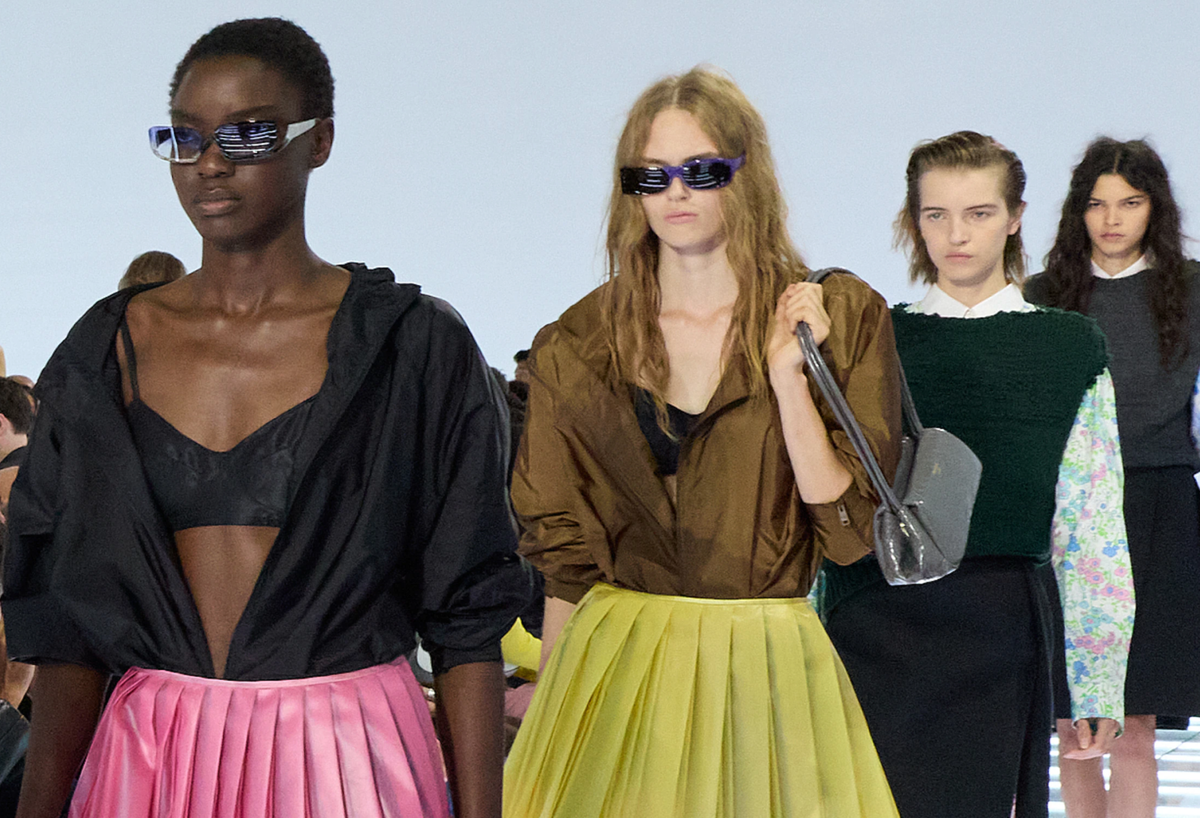
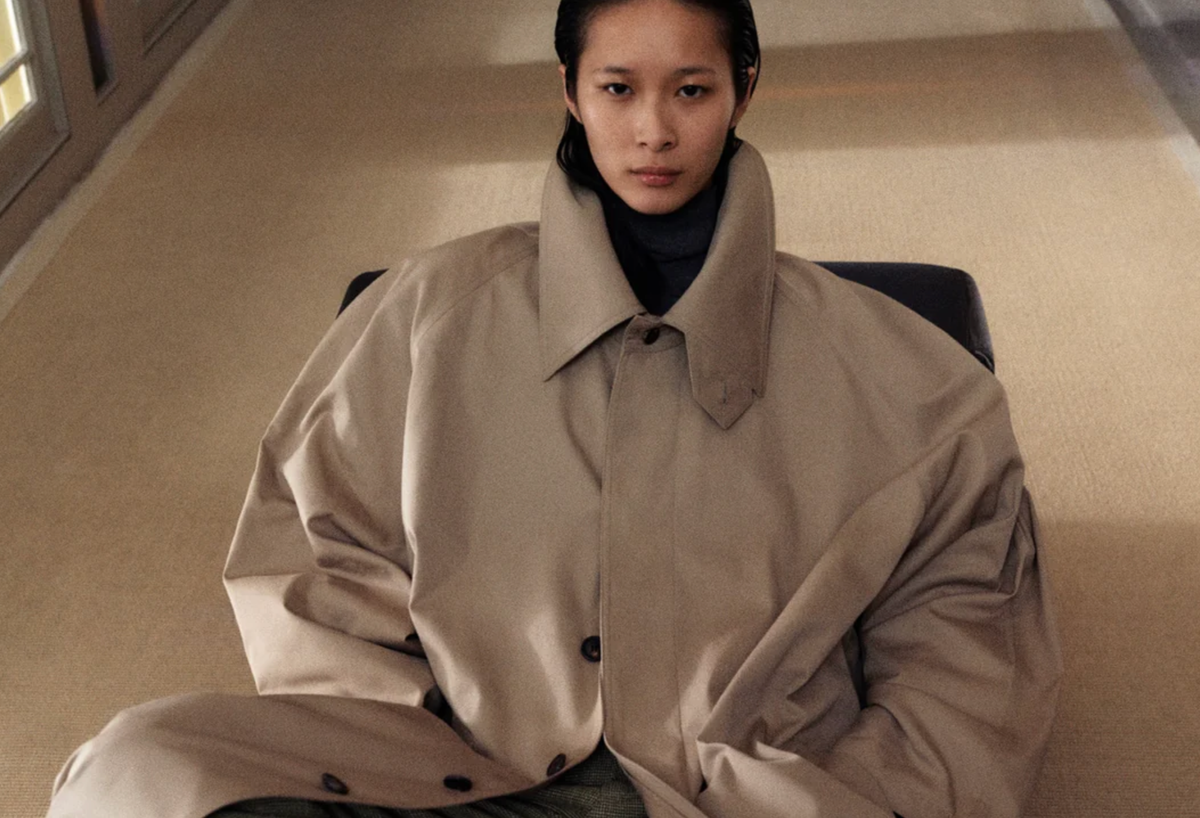
His tenure at Balenciaga marked an entire generation, creating an unmistakable streetwear and dissident aesthetic. Here, his personal vocabulary was amplified. Demna explored the heritage of Cristóbal Balenciaga in unexpected ways, subjecting it to a certain tension. His Balenciaga was recognisable for excessive tailoring, oversized sneakers and everyday pieces pushed to their technical and conceptual limits. His decade at the head of the maison restored a deliberately provocative air not seen since the era of McQueen.
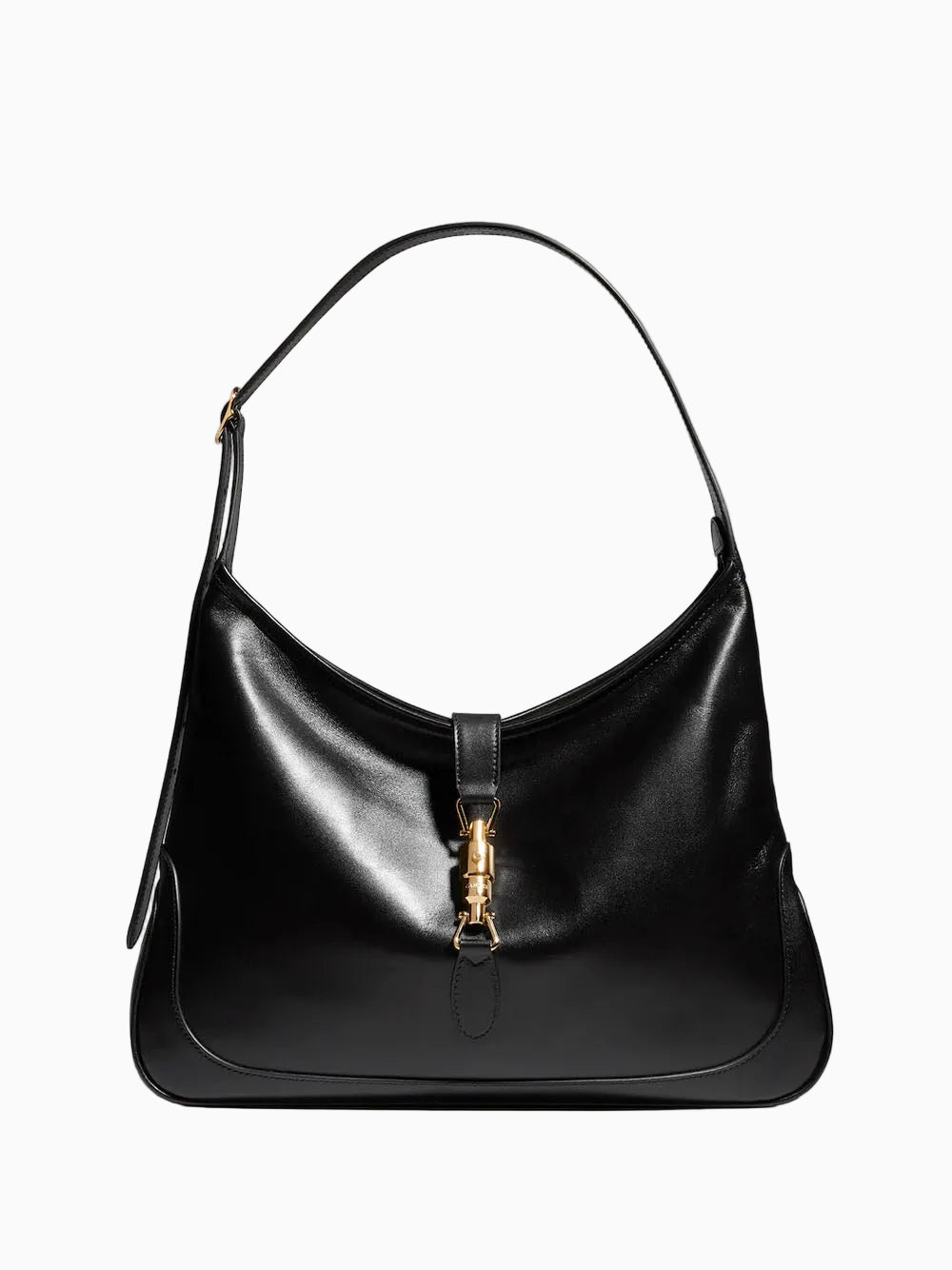
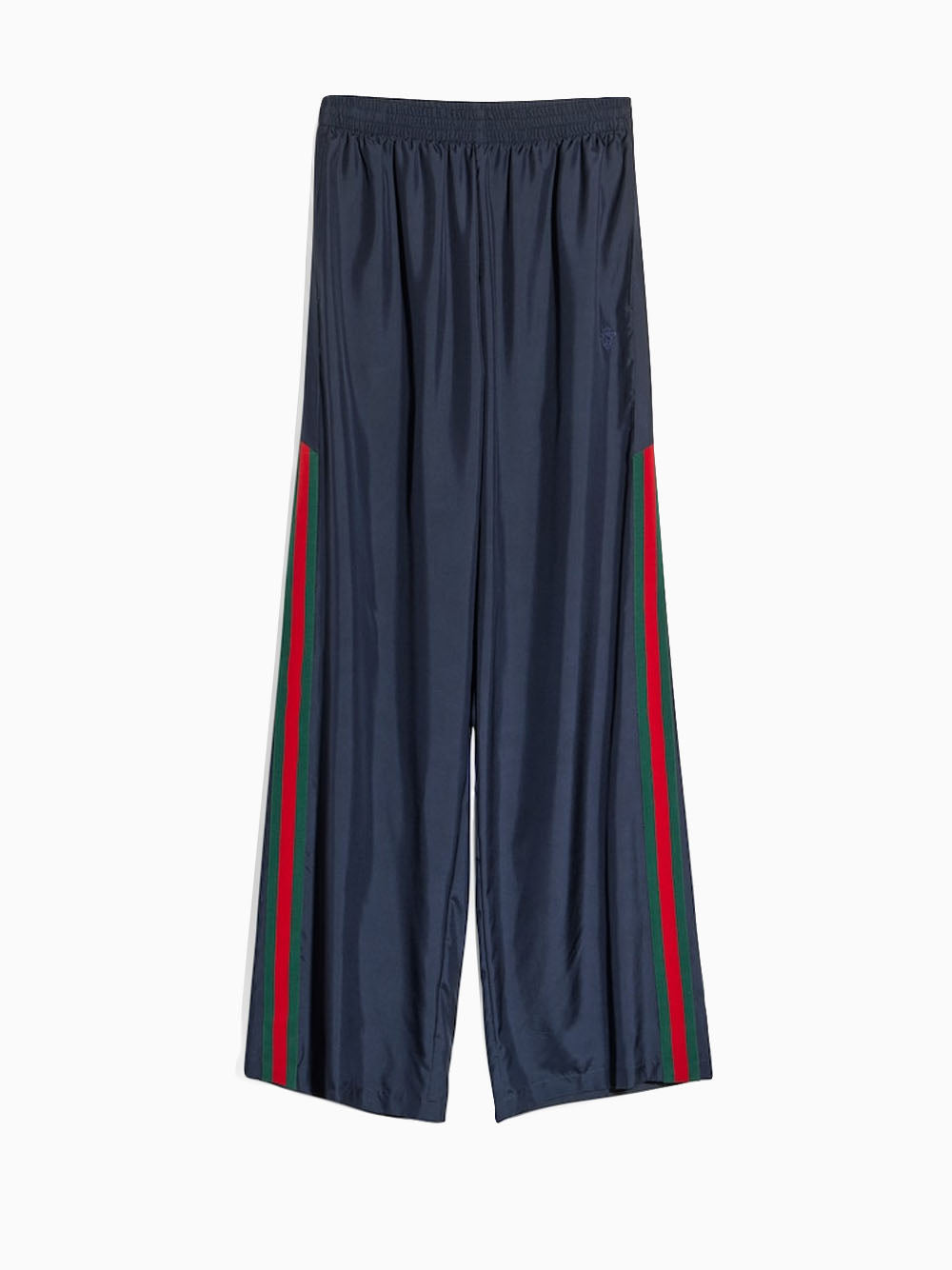
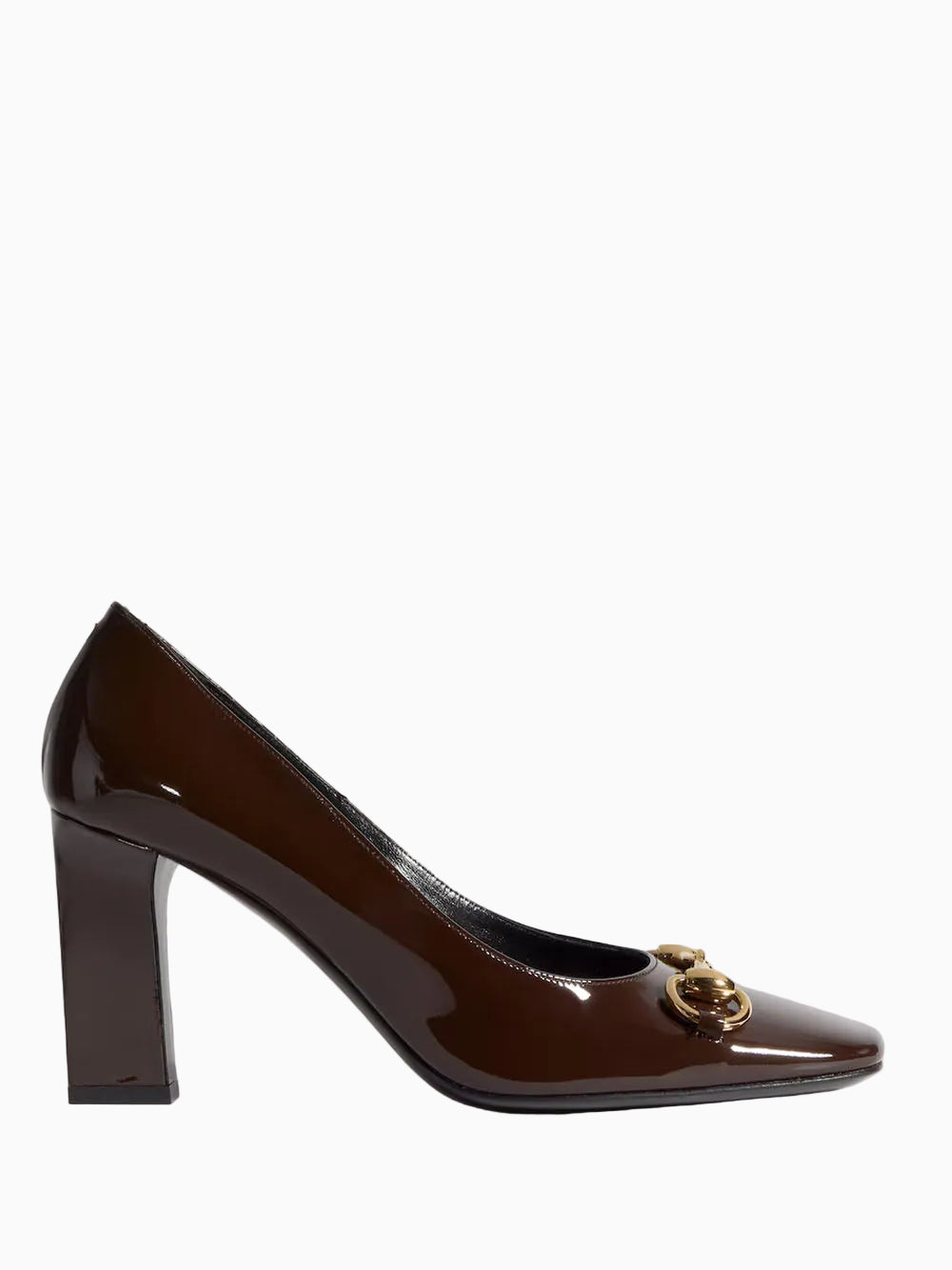
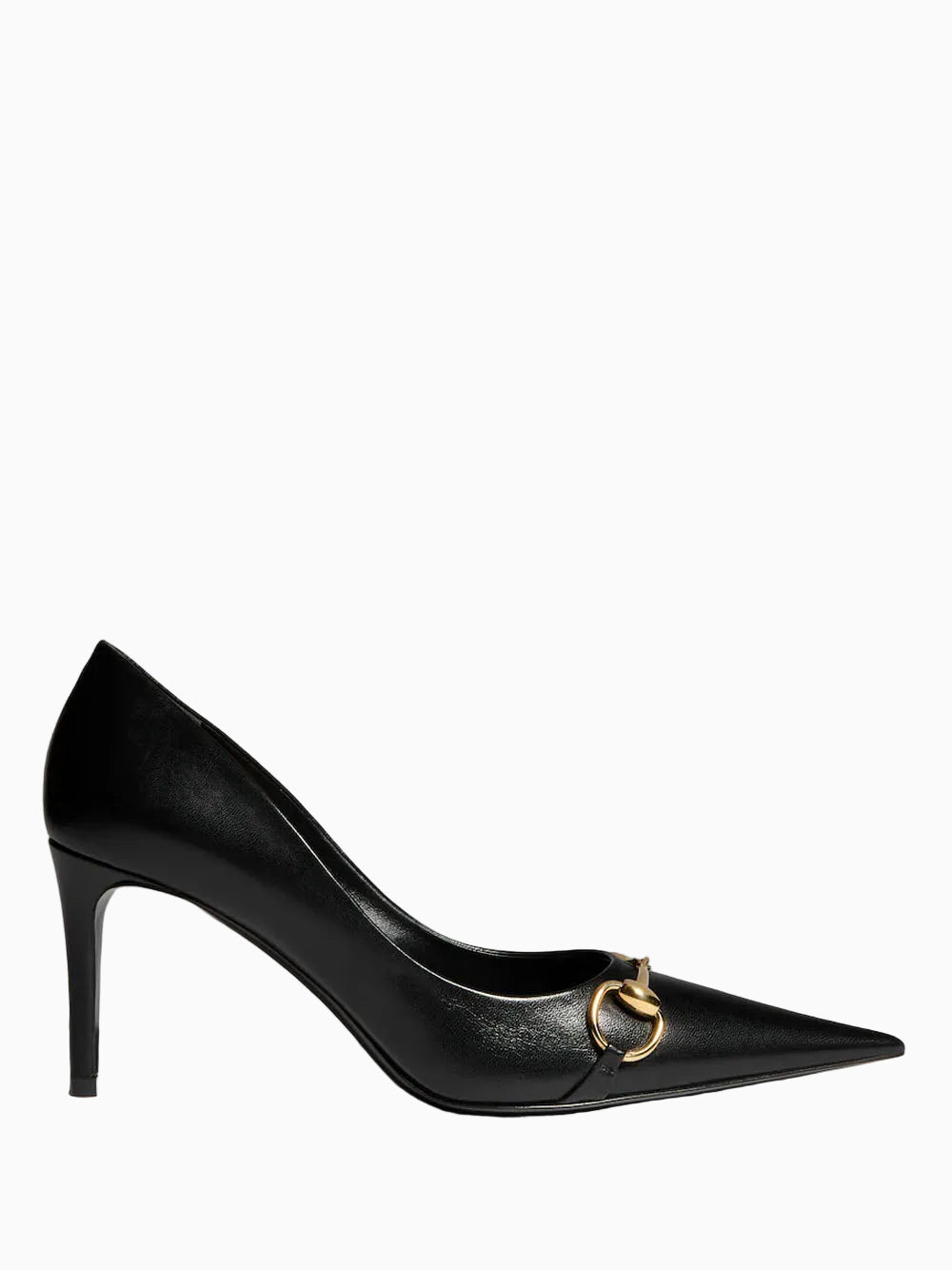
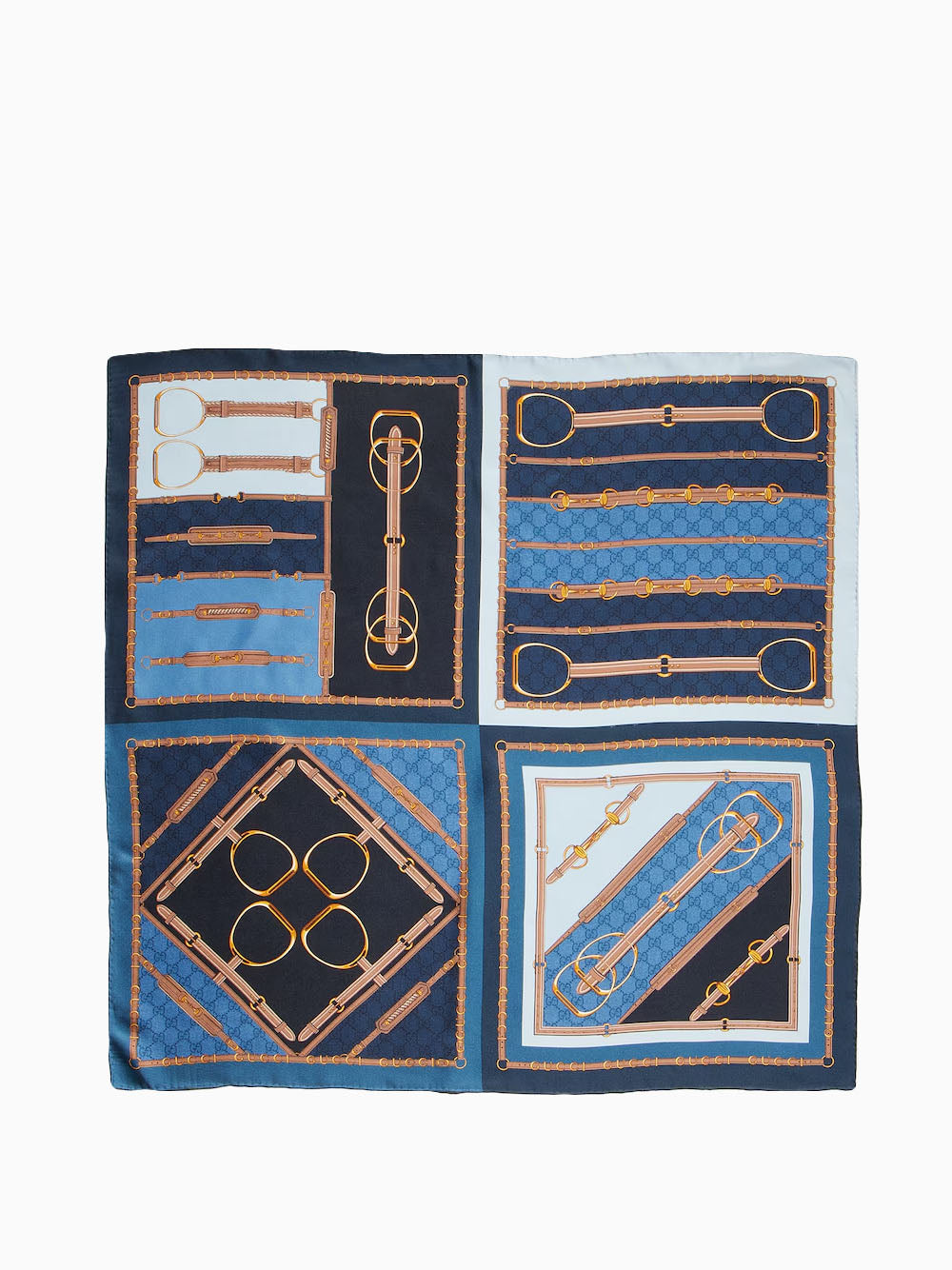
His appointment at Gucci is a strategic move on the part of the Florentine house. Demna is a high-level cultural editor, working from social questioning and listening closely to youth.