Skip to content

OTTODISANPIETRO

Get our app ✨

Download

Cart

Your cart is empty

Select your gift wrapping
Liquid error (sections/cart-drawer line 192): product form must be given a product

Jil Sander by Simone Bellotti

In the sea of debuts last year, there was one that resonated with its own echo. The new Jil Sander proposed by Simone Bellotti moved away from the trajectory of the Meiers to return to an essentialist origin.

Known as the “queen of simplicity”, the house founded by Heidemarie Jiline Sander in 1968 created the uniform for women entering the labour system. Her refined and essentialist perspective established her as a pioneer of minimalism, although she herself rejected that label. Her preference was purist discipline, where everything is reduced to its purest and most functional essence.

Bellotti, appointed creative director of the house in March 2025, was clear from the outset that Jil Sander had to return to its origin, to purism and to cultural relevance. Discover the collection soon at OTTODISANPIETRO.

Jil Sander by Simone Bellotti

Who is Simone Bellotti?

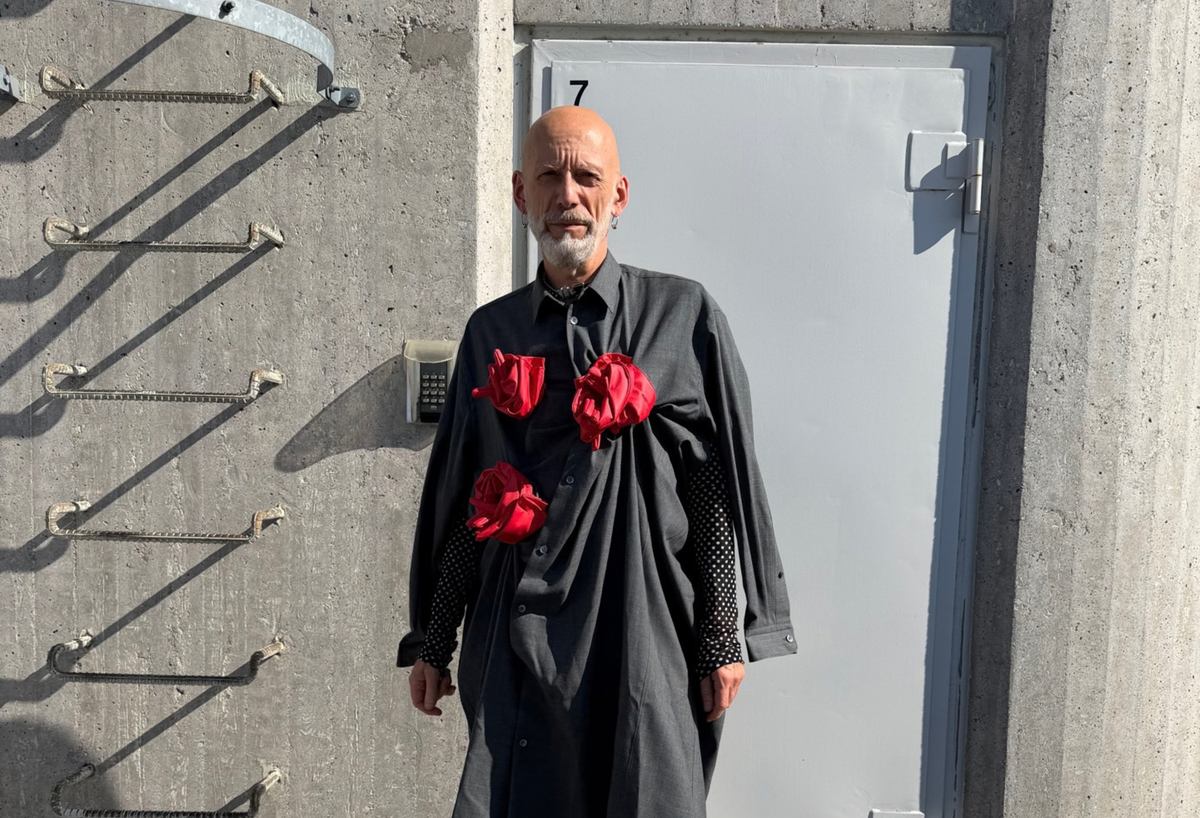
Simone Bellotti arrived at Jil Sander with a broad and successful trajectory in the sector. After his success at Bally, he became one of the surprises of this era of change within the industry. Bellotti carries with him a discreet yet extensive career, almost always behind the scenes. Born in 1978 in Giussano, north of Milan, Bellotti was shaped by atelier culture, his father was an upholsterer by profession, before becoming a recognisable name.

In the early 2000s, he chose to learn in the same forge as many of today’s major figures: Antwerp. There, he worked as a design assistant at A.F. Vandevorst, a brief experience but one of great relevance to his path. His time at the house was marked by the development of his own conceptual language, teaching him to understand garments as sculptural entities rather than mere commercial elements.

His return to Italy was crucial in learning the more formal dynamics of the sector. At Gianfranco Ferré, for three years, he engaged with a design approach closer to precise tailoring, dedicated to menswear. He then passed through Bottega Veneta and, in 2006, joined Dolce&Gabbana as senior menswear designer. There, he began to cultivate a sense of self-determination as a designer, guiding the design team while collaborating on the brand’s overall vision. It was here that he acquired an understanding of the interaction between fabric and body, conceiving fashion as an element of sensuality.

However, despite the breadth of his experiences, Gucci would become his most formative stage. He spent almost sixteen years there, under two diametrically opposed aesthetic directions: Frida Giannini and Alessandro Michele. This prolonged adaptation to distinct languages explains one of his strengths: the ability to read a house as one reads a story, assimilating an entire legacy and developing it without breaking it.

In 2022, he joined Bally as design director and in 2023 he was promoted to creative director. It was here that his name began to circulate more forcefully. His Bally became known for a fusion of Italian tailoring, modernism and cultural references that established its own niche. His approach aligned perfectly with the philosophy of Renzo Rosso and the OTB group, which appointed him creative director of Jil Sander in March 2025, succeeding Lucie and Luke Meier.

Bellotti is thus defined by an obsession with product and referential depth. His Jil Sander is characterised by profound research into art, photography and music. His guiding thread is a minimalism filled with meaning, moving closer to the true founding intention of the house. His challenge at Jil Sander seems inscribed in the brand’s own DNA: to pursue essentialism while allowing the human trace and sensuality to remain.

The debut: Jil Sander Spring/Summer 2026

Even before presenting his runway show, Simone Bellotti chose to inaugurate his chapter at Jil Sander from another place. His first act as creative director was an audiovisual piece filmed in Hamburg, the city where Jil Sander founded her brand in 1968. A return, in its most literal sense, to the geographical and symbolic origin. A precise prologue to what was to come.

The film, accompanied by the techno project Bochum Welt by Gianluigi Di Costanzo, proposed a sequence of pared-back images centred on atmosphere: sunsets over water, underground stations lined with tiles, cranes silhouetted against the sky, and figures walking in an ethereal and natural manner. The soundtrack, titled Wanderlust, was composed specifically for this beginning of a new era, and released as a vinyl EP available in selected maison boutiques. In doing so, Simone signalled his intention to align Jil Sander with a level of cultural relevance.

For his first show at Jil Sander, Simone Bellotti also returned to the origin: back to the house’s headquarters in Milan, in Piazza Castello, with the Sforza Castle beyond the windows almost as another element of the space. The setting consisted of a black runway cutting through a white room. The show thus worked around the concept of decantation, elements sharing the same space yet remaining independent.

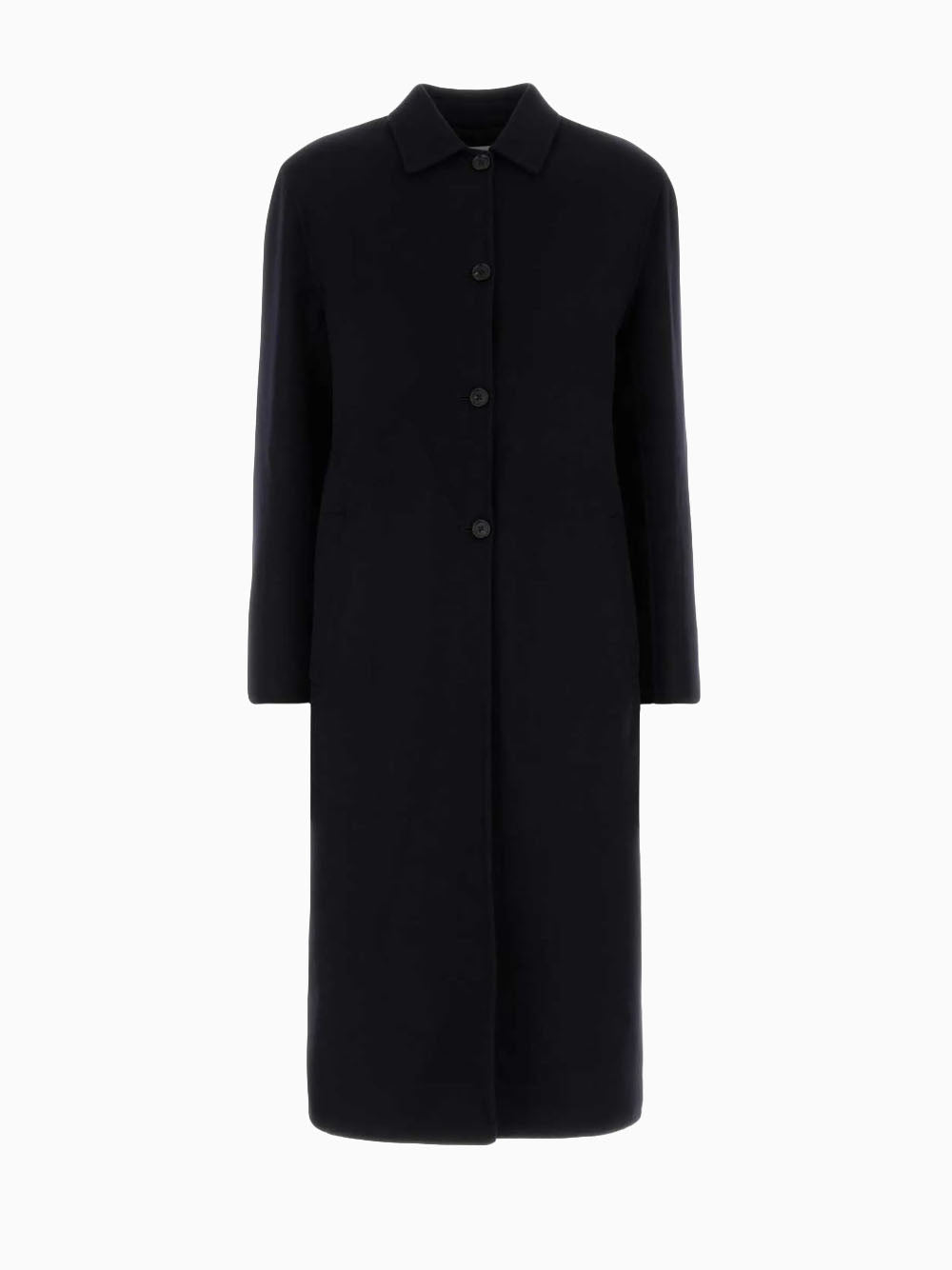
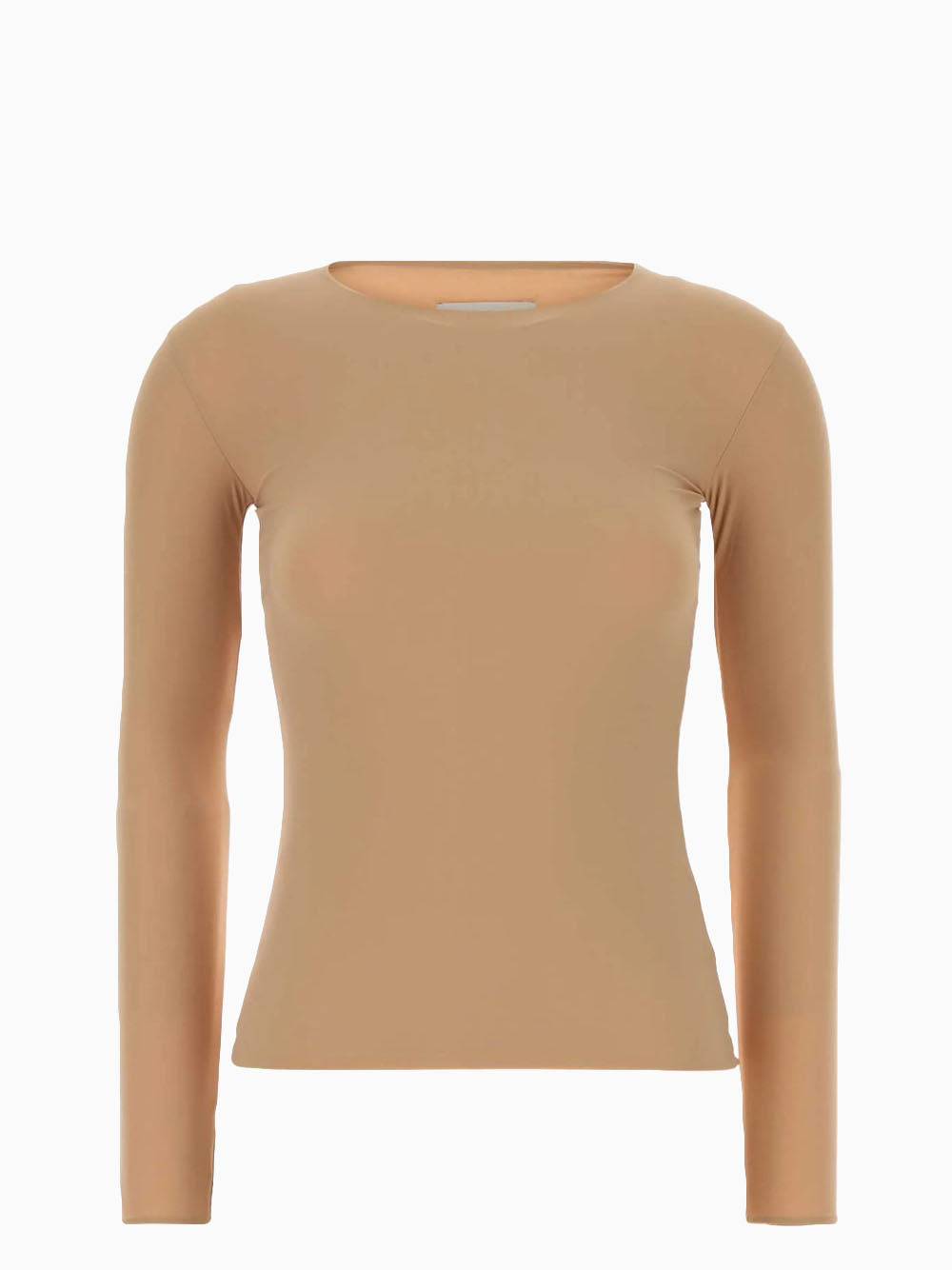
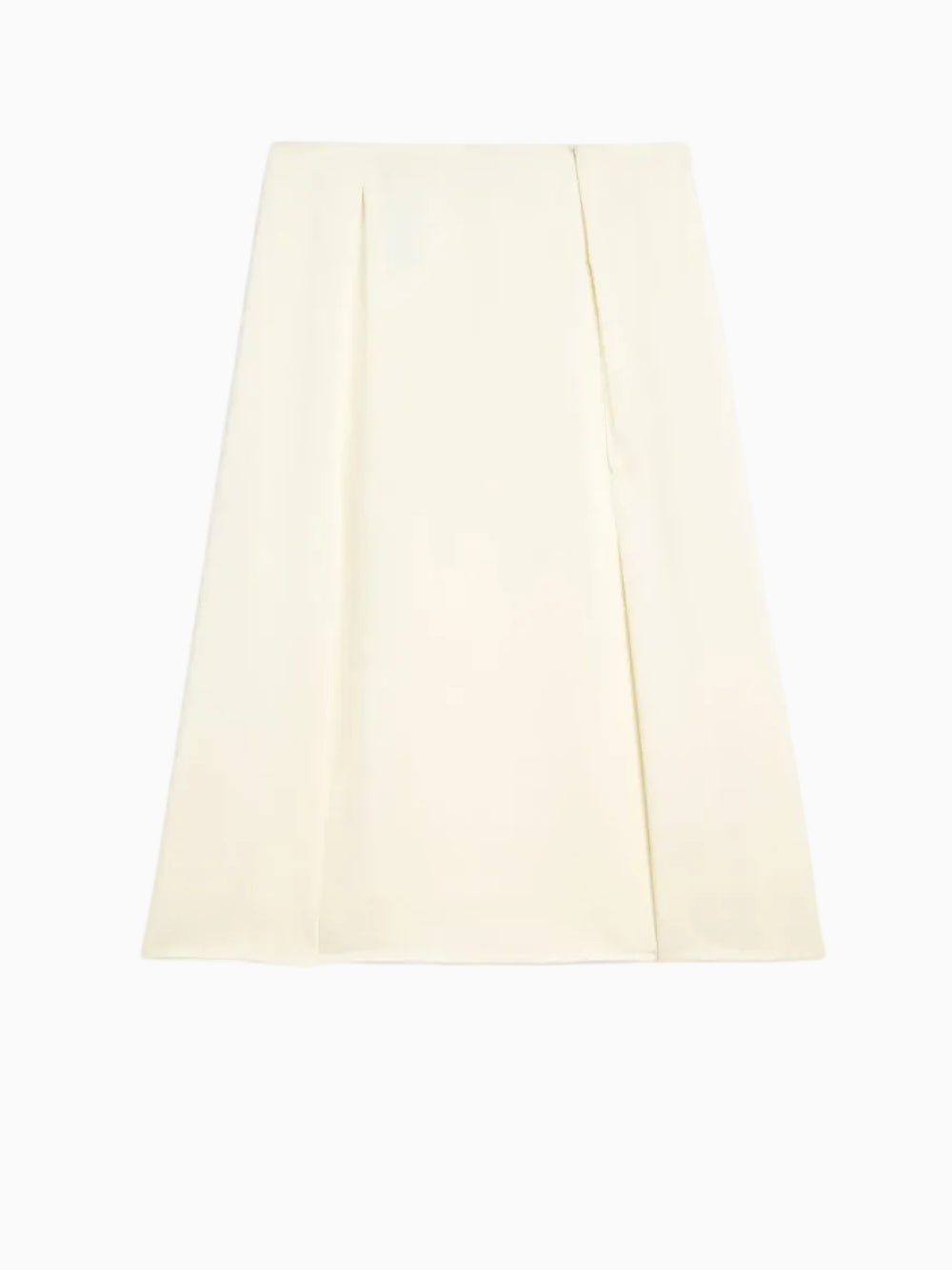
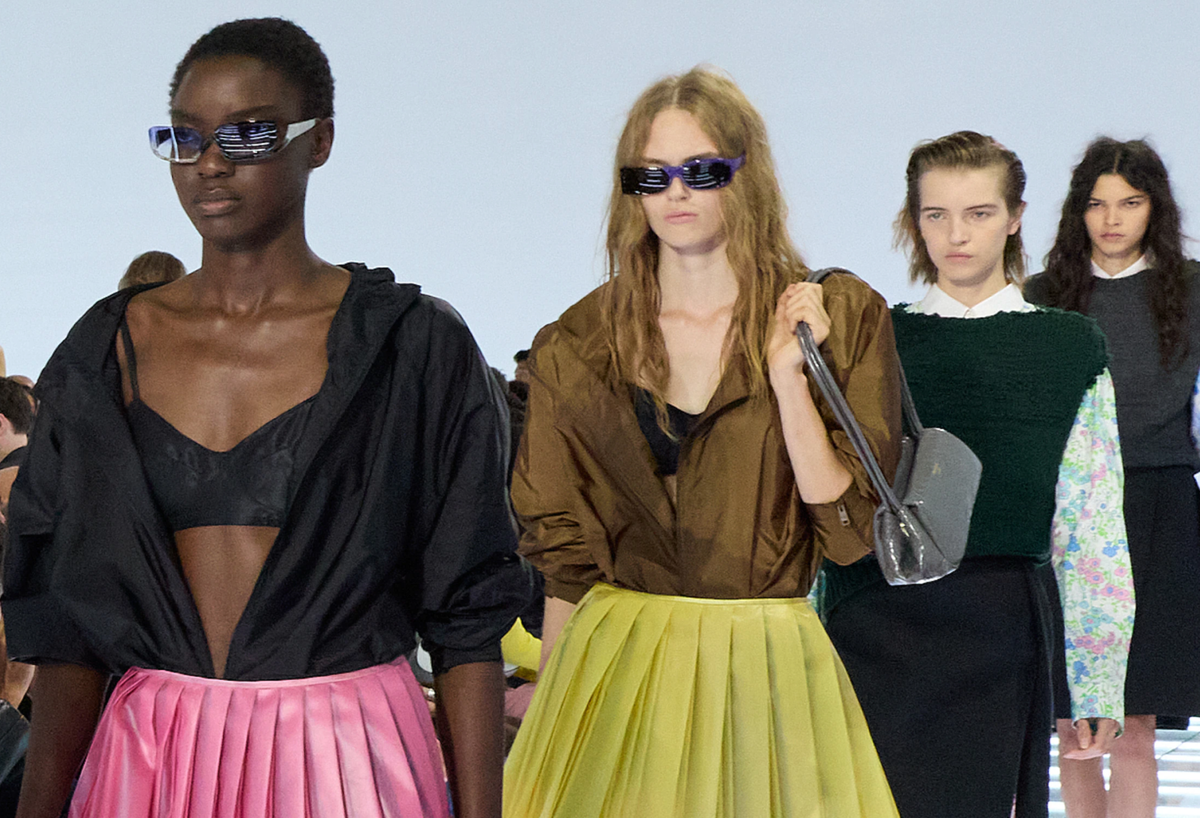
The Jil Sander Spring/Summer 2026 collection was constructed from a study of the most basic elements. As a whole, the pieces generated sculptural effects, carefully examining the interaction between form, colour and fabric. Crew-neck sweaters in Klein blue and ultramarine dominated, alongside shirts with severe cuts and pencil skirts in pure tones. Each piece held a specific function, accentuating different parts of the anatomy and seeking a certain sensuality within visual purity. Some skirts opened in diagonal slashes, certain sweaters appeared deliberately shrunken, and some jackets cinched the waist and lowered the shoulder with measured control.

Yet a key detail defined the show’s atmosphere: the return of Guinevere Van Seenus. The house’s original muse in the 1990s, Guinevere embodied a masterstroke of returning to the source. A return to the most referenced and forward-thinking Jil Sander. Guinevere Van Seenus opened the show, stepping back onto the runway after having defined the aesthetic of her era. In parallel, a subtle yet significant dialogue with contemporary art emerged, cuts recalling the work of Lucio Fontana and the silent power of Klein blue.

In accessories, Bellotti introduced the Pivot and Linea bags, continuations of familiar silhouettes reinterpreted for this new chapter of the house. In summary, within a season marked by media spectacle, Simone Bellotti brought to Jil Sander another kind of intensity: a minimalism that is truly contemporary.

The second chapter: Jil Sander Fall/Winter 2026

While Bellotti’s debut at Jil Sander was an exercise in refinement, the Jil Sander Fall/Winter 2026 collection introduces a more complex variation: friction. Most reviews agree that this second instalment does not abandon the essence of Jil Sander, but shifts it towards a more domestic, human and slightly uncomfortable territory. The setting already anticipated this: a vast rust-brown carpet, harsh fluorescent lighting and an atmosphere somewhere between a 1970s living room and a neighbourhood bar. A minimalism less polished, unearthed and layered with debris.
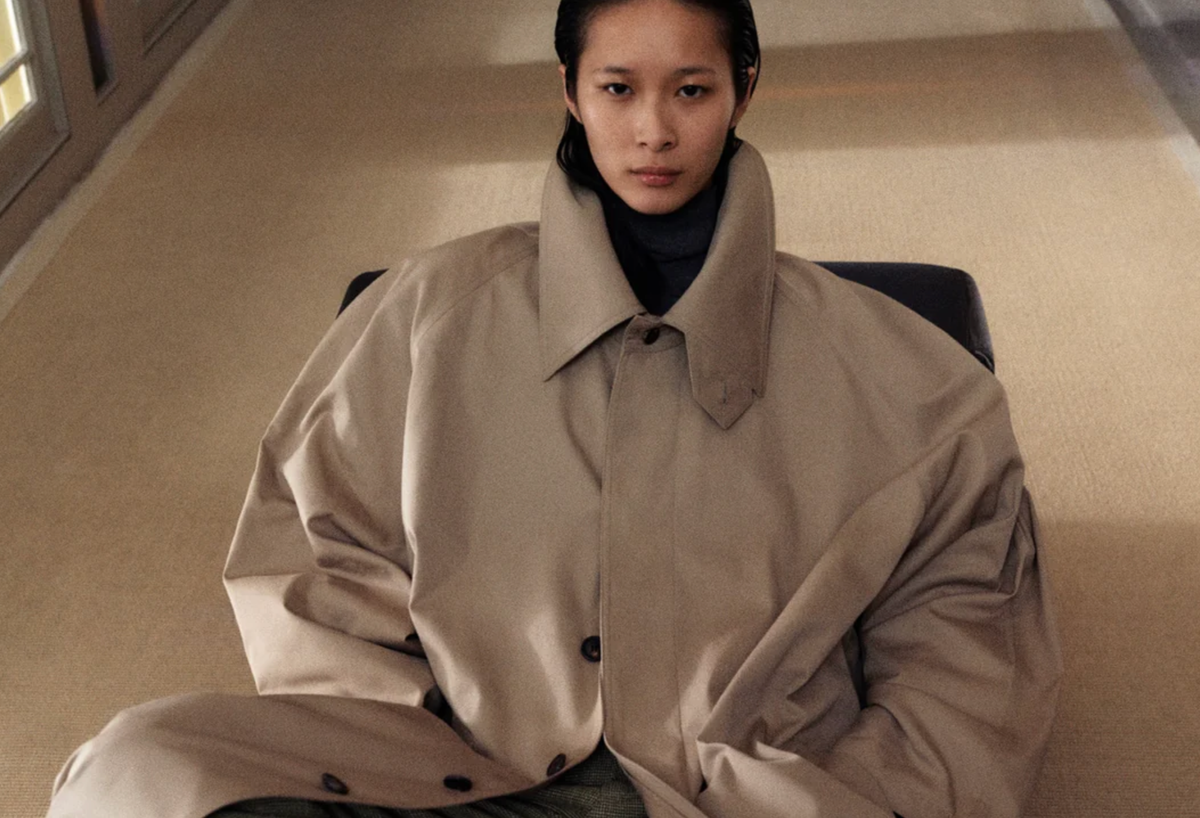
The reference to Café Lehmitz by Anders Petersen serves as a guiding thread. The images of that nocturnal, abrasive and vulnerable Hamburg introduce the notion of imperfection that remained to be explored in the summer collection. Bellotti transfers this friction to tailoring, the brand’s foundational ground.

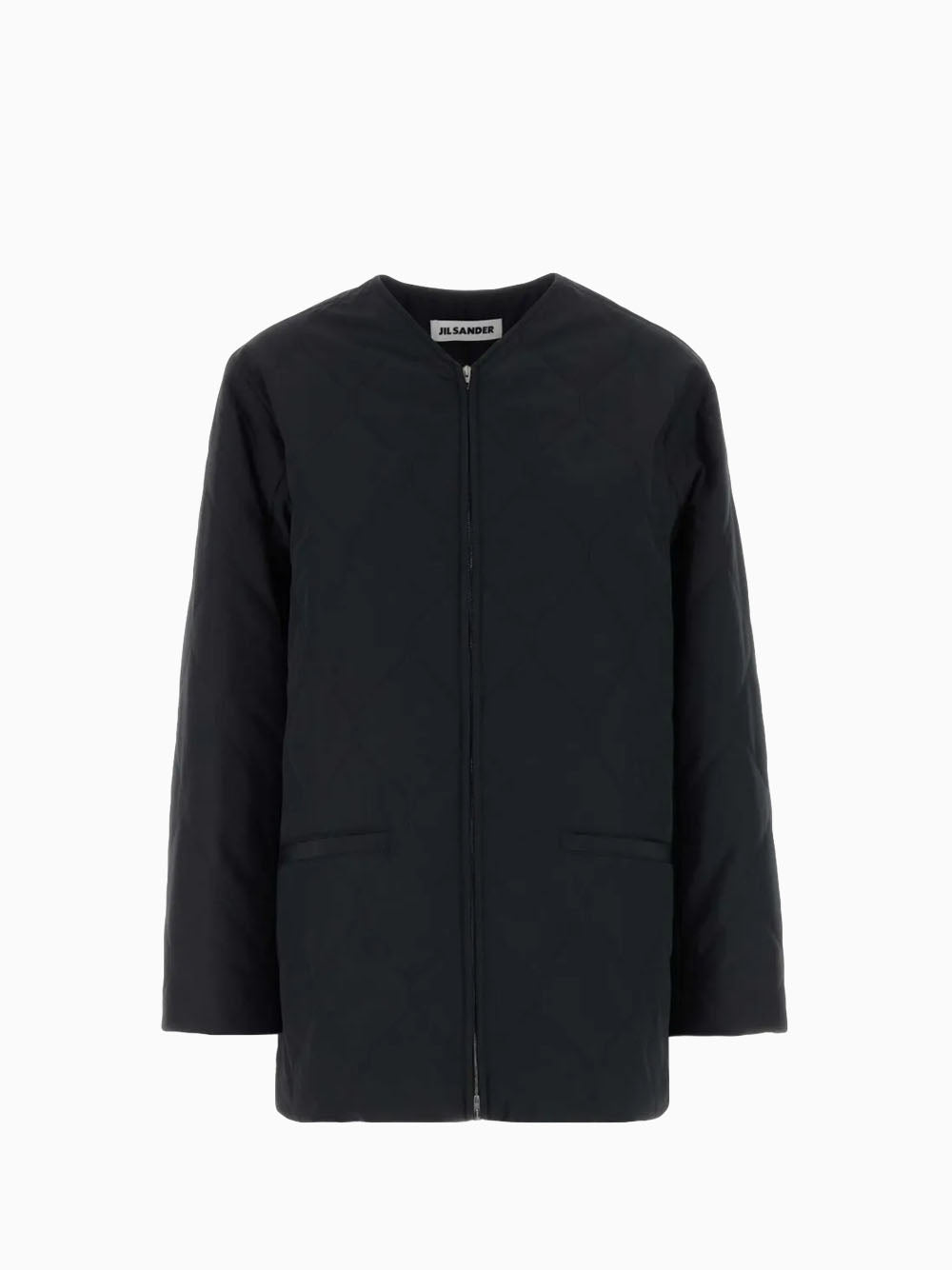
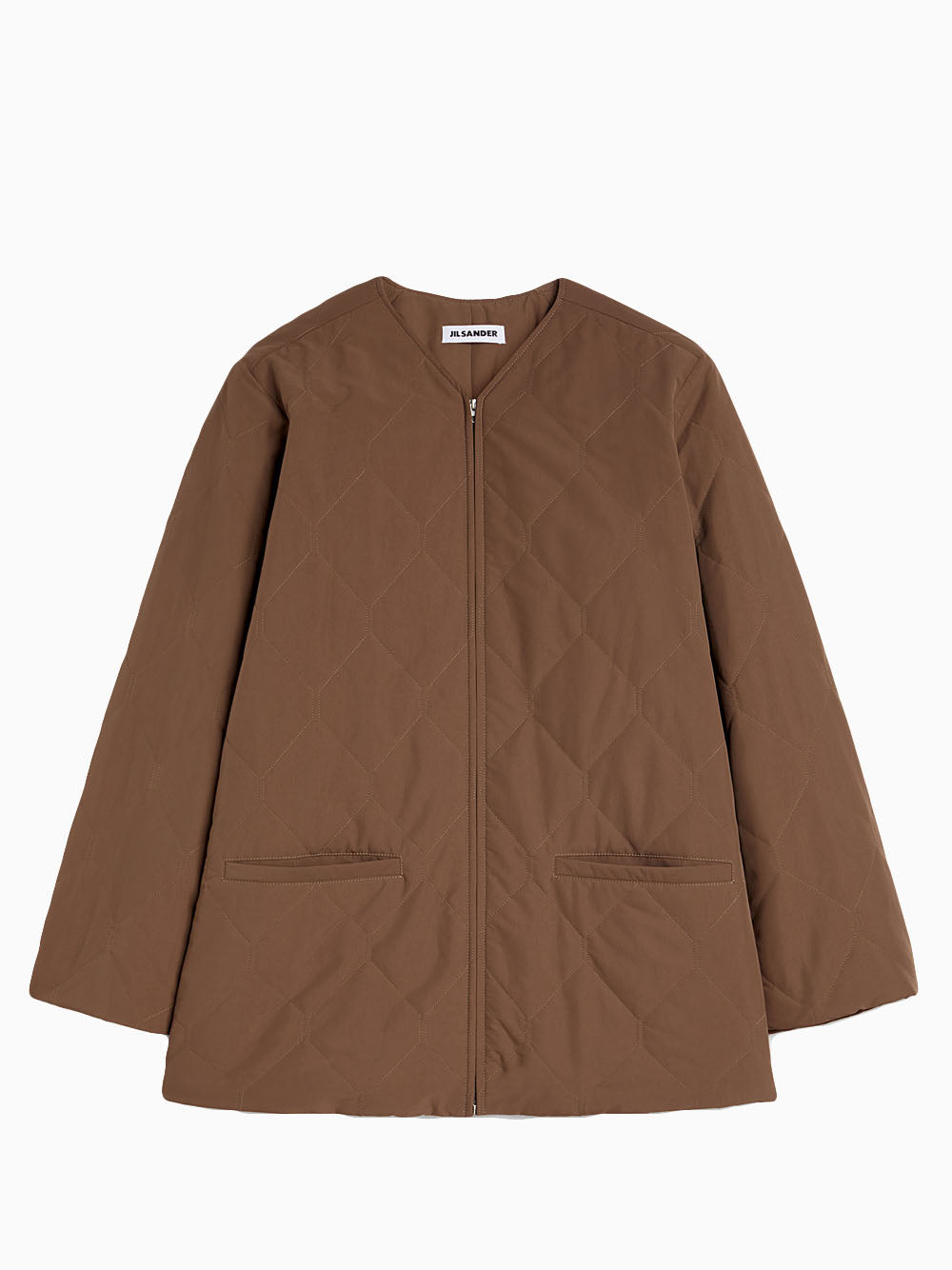
Proportions are subtly altered: jackets appear excessively elongated or dismantled at the back, with slightly hunched shoulders. Another shared point is the notion of “house” as a double metaphor: the maison and the home. Bellotti, the son of an upholsterer, introduced robust tweeds and padded jacquards that seemed to emulate the familiar texture of sofas and mattresses, lending the collection a warmth rarely associated with the Jil Sander imagination. This intimate, almost cosy dimension coexists with the house’s severe elegance, generating a constant tension between protection and restriction.

The colour palette barely departs from the house’s historical codes: black, grey, beige and a deep, almost abyssal blue. What matters this season is the interaction of these colours with material. Matte surfaces that absorb light are set against sheens that appear aged by time, like found objects within the collection’s unsettling space.

Despite everything, continuity prevails over rupture. Bellotti does not seek to dismantle Jil Sander or introduce foreign codes. Conceptually, he is already installed within the house, and now plays with its interior architecture. Having mastered its purest essentialism, he now expands the imagination. More questions arise, more textures, more contradictions, and a sense of lived history in place of angelic purity.
Shop the look

Shop the look

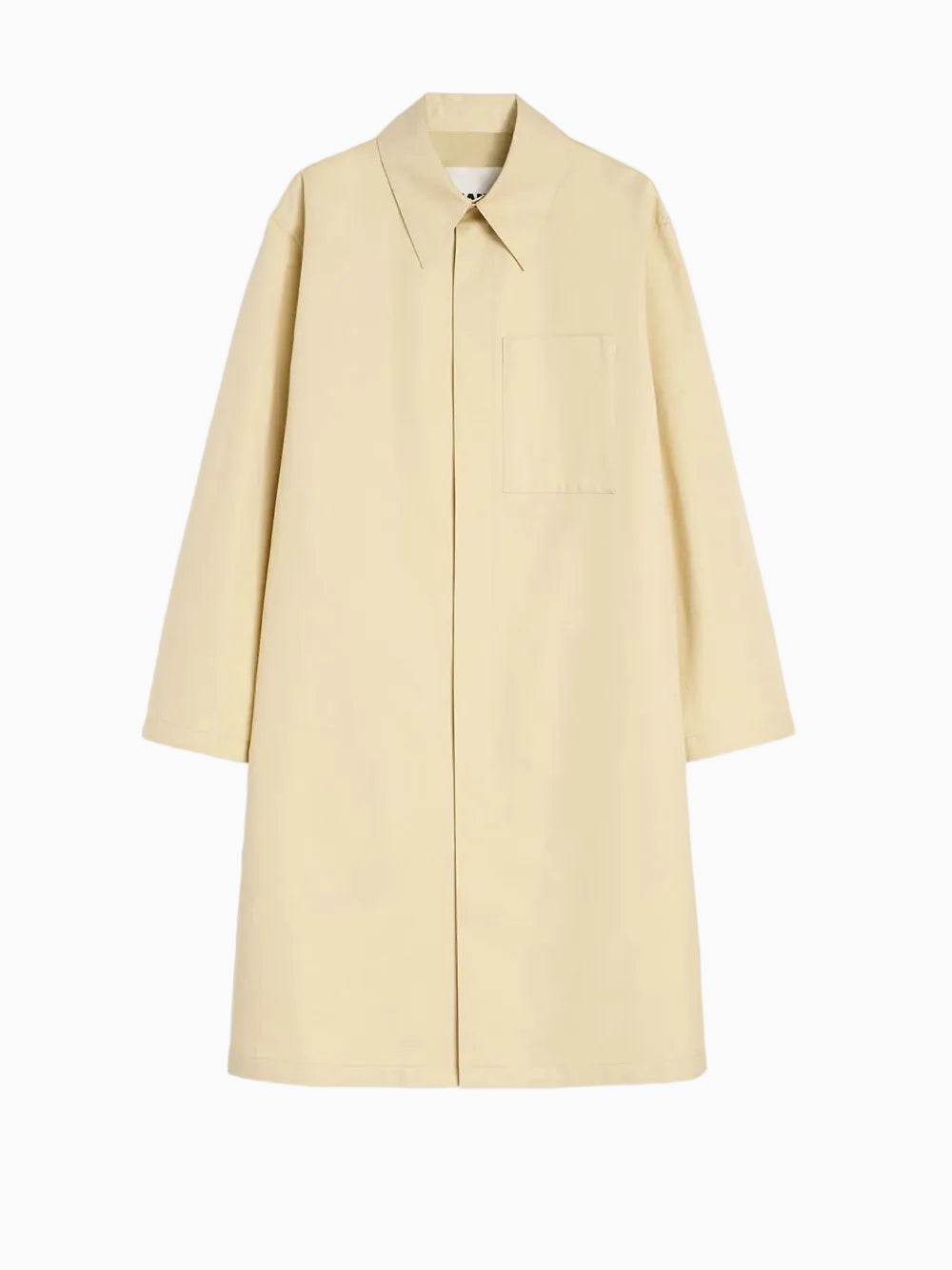
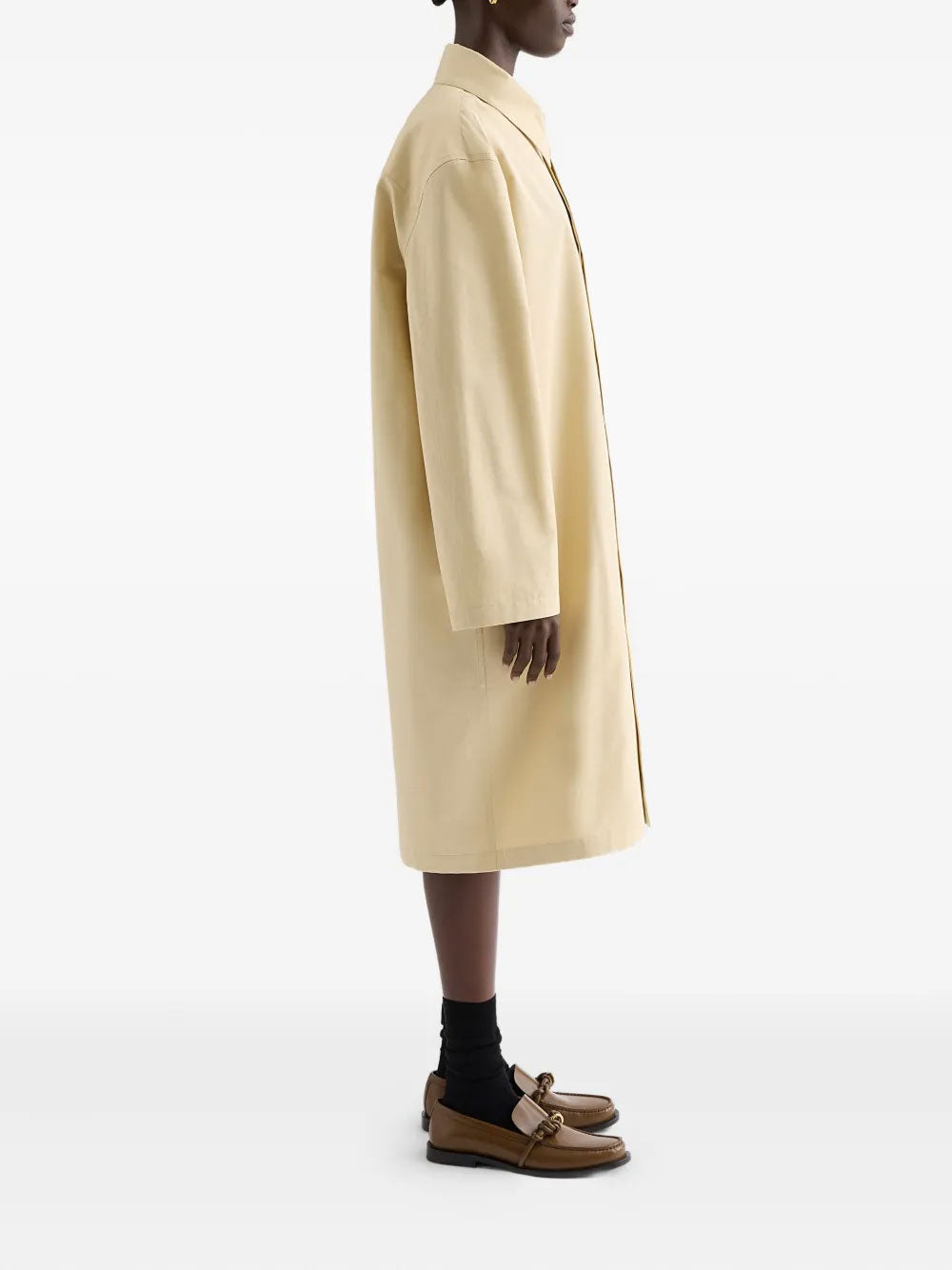
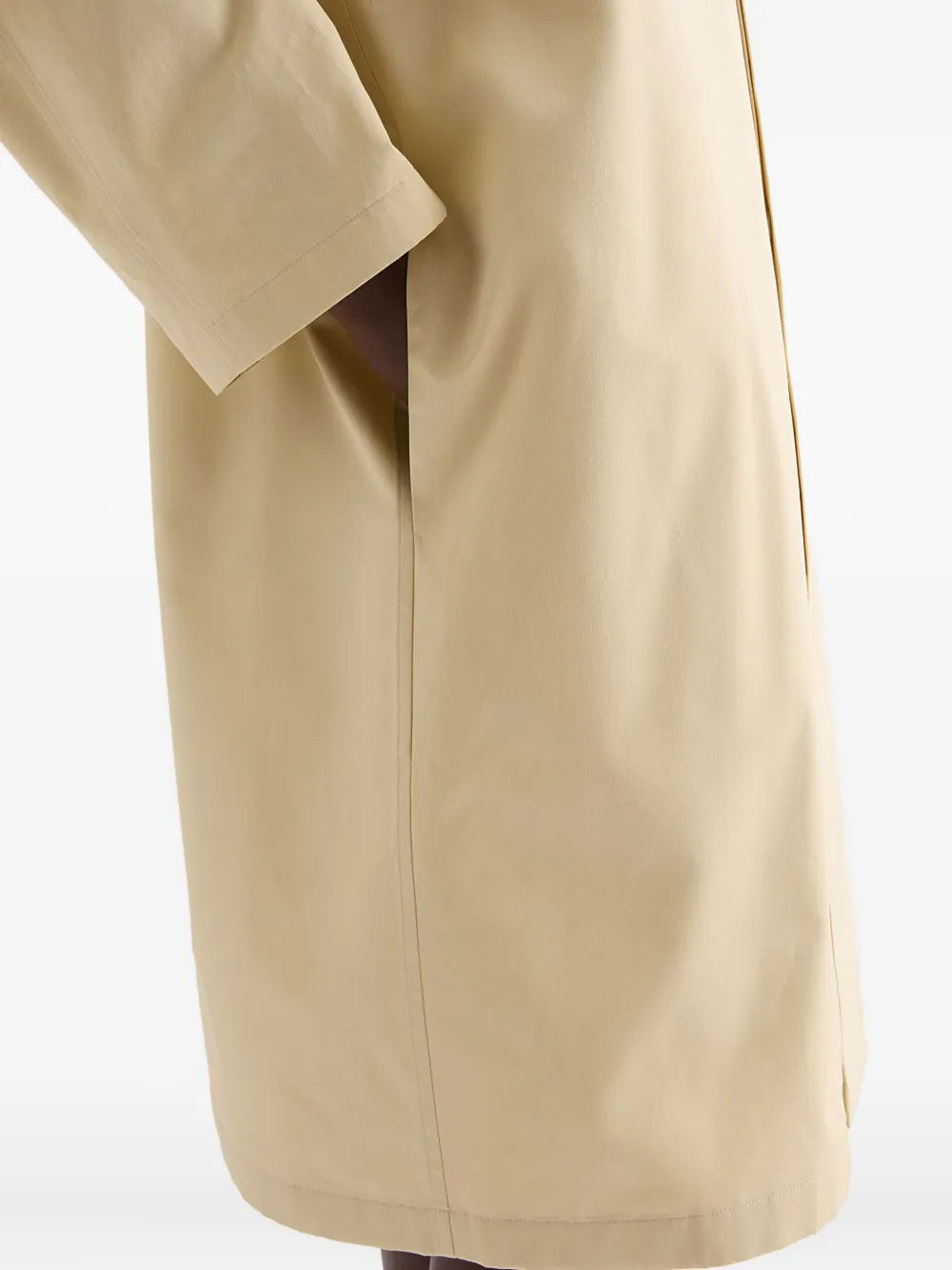
Poplin coatPoplin coatPoplin coatPoplin coat
Sale price1.990 €
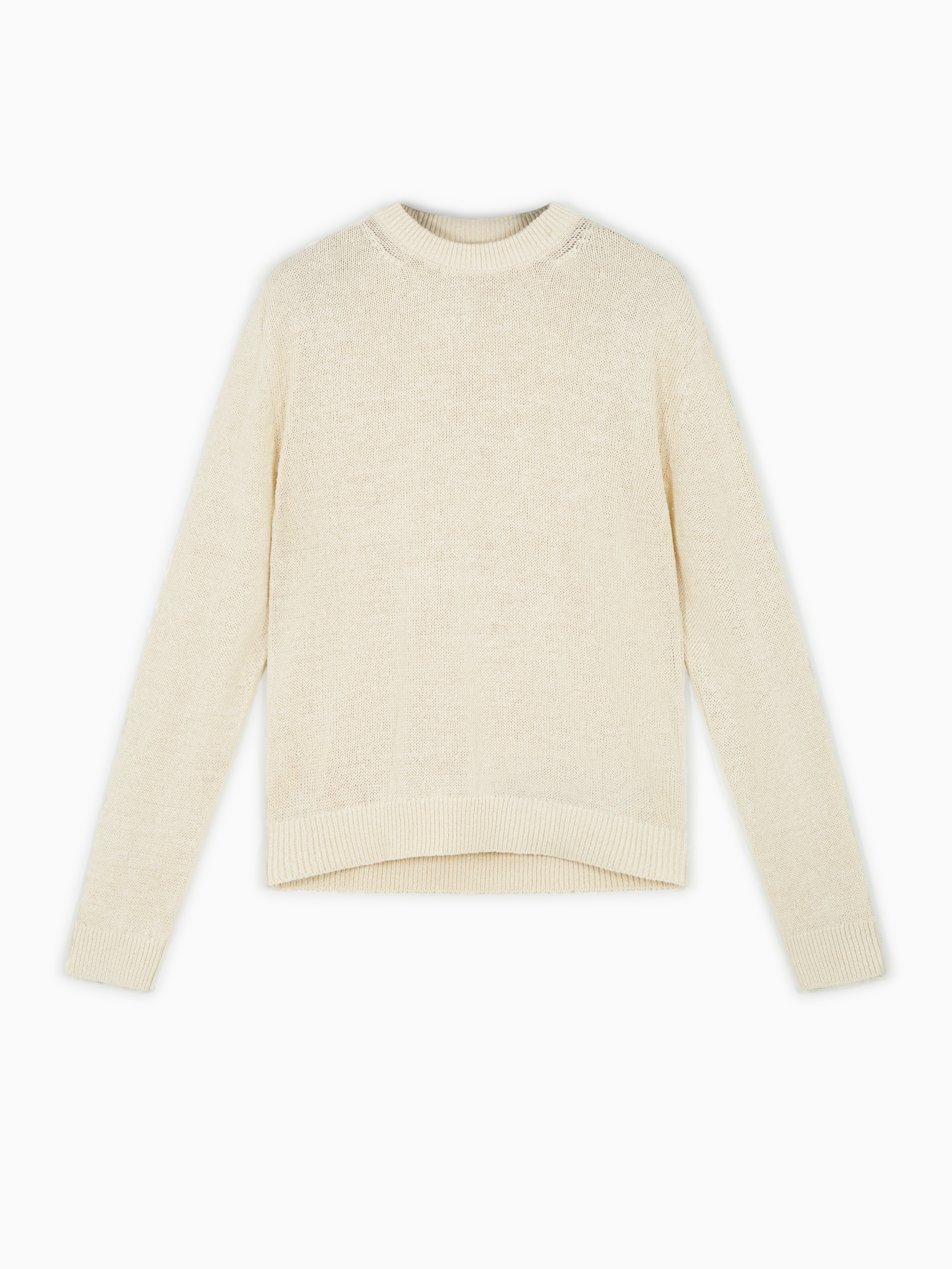
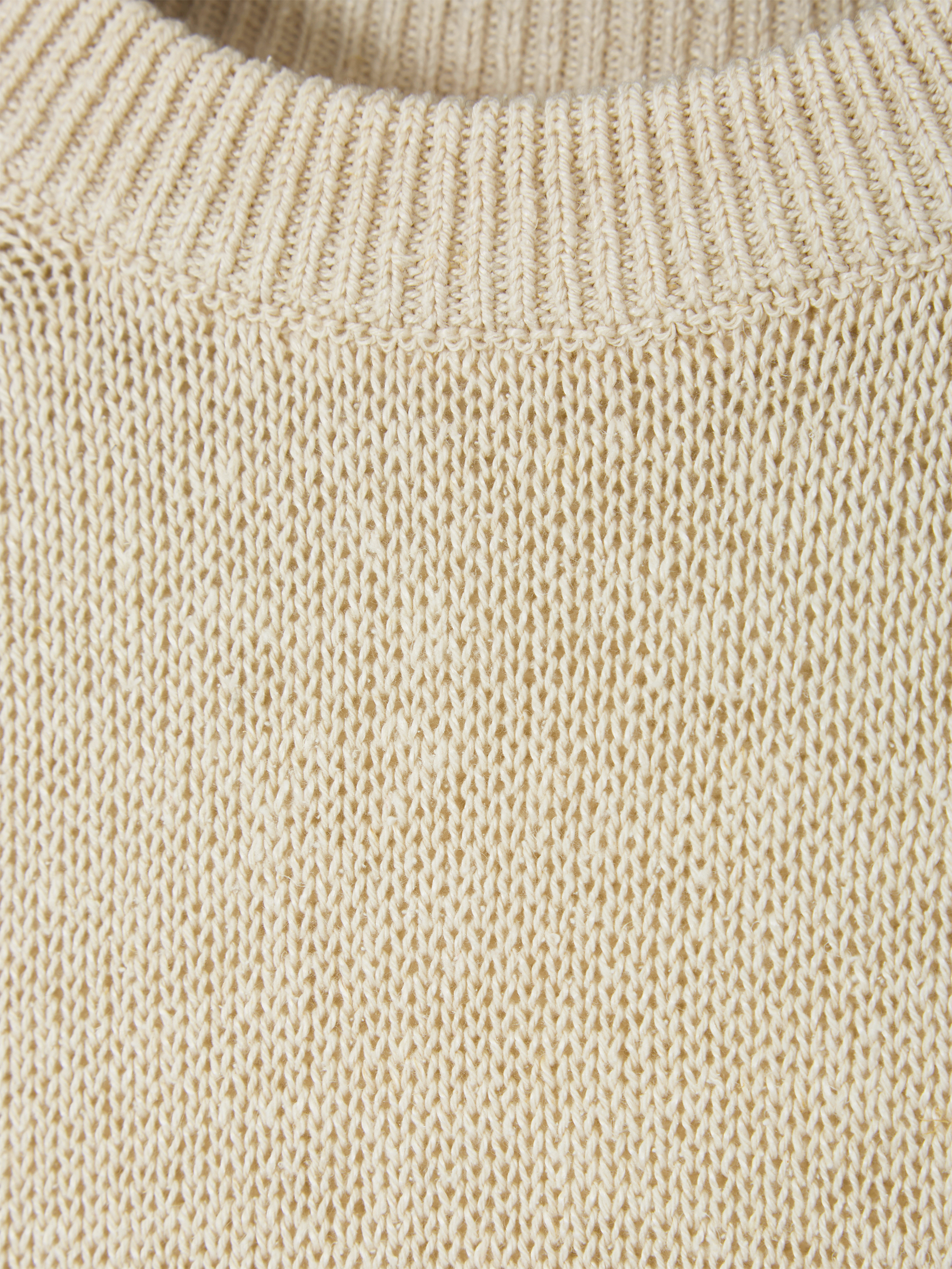
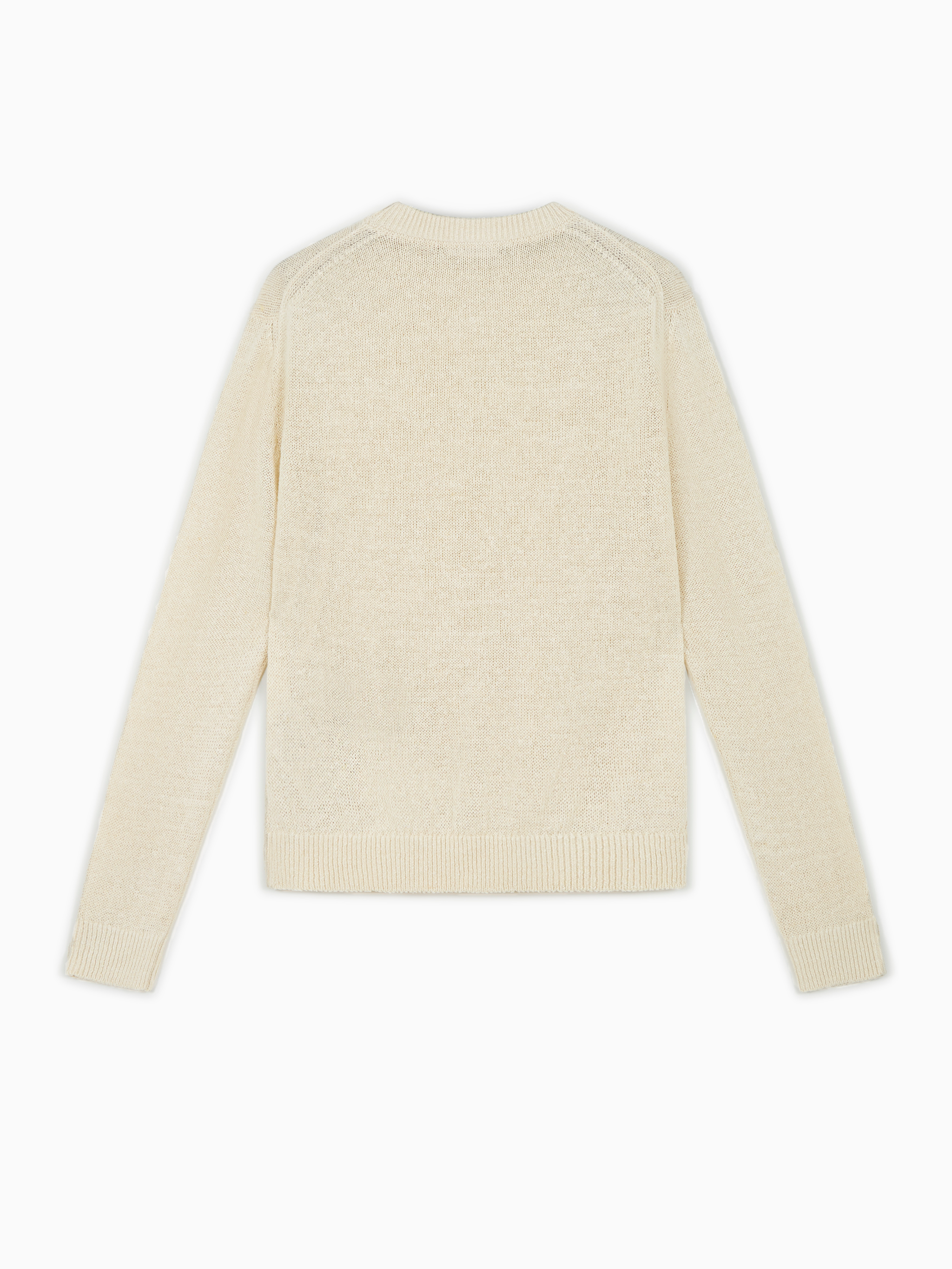
Open-knit sweaterOpen-knit sweaterOpen-knit sweater
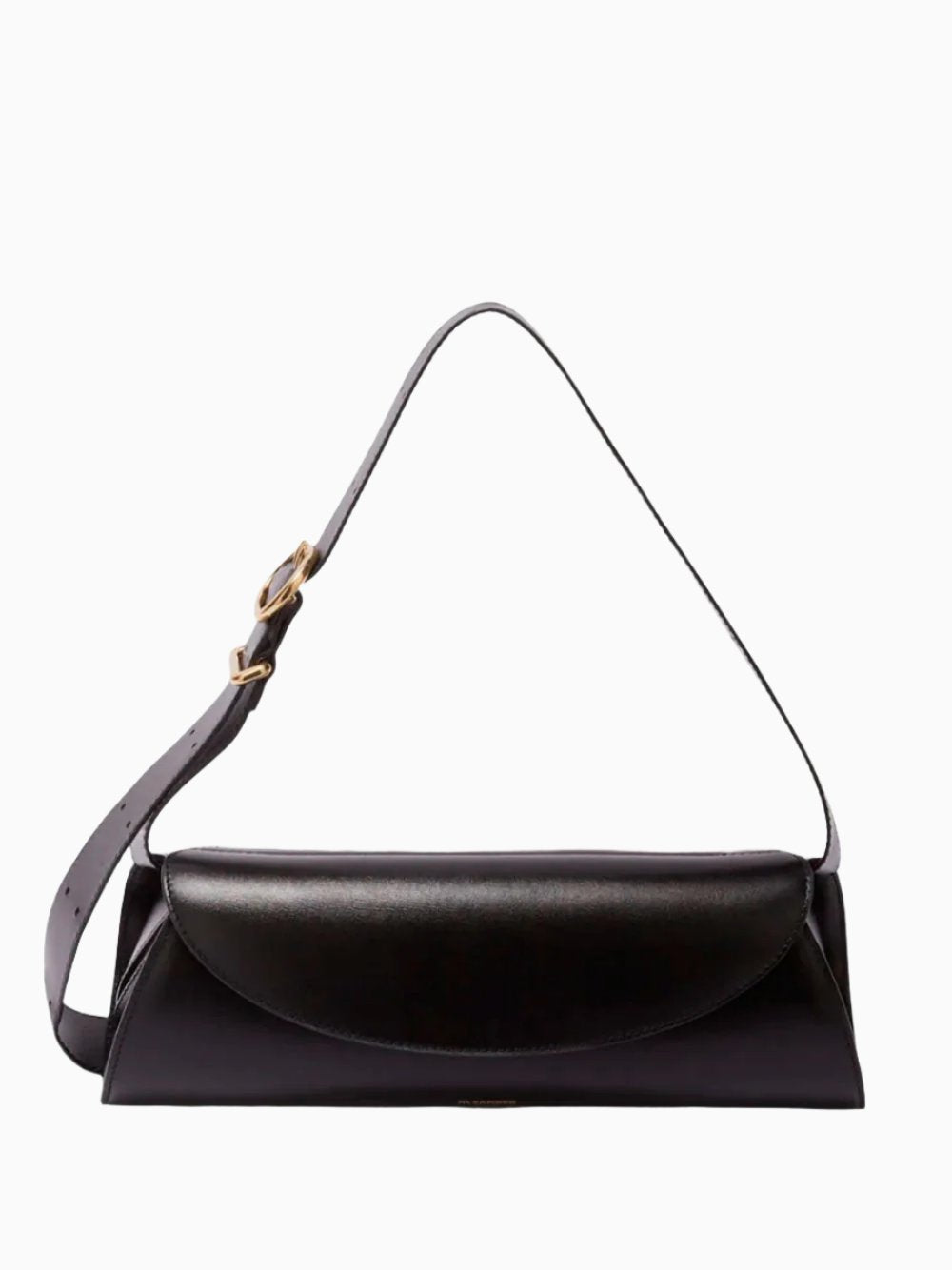
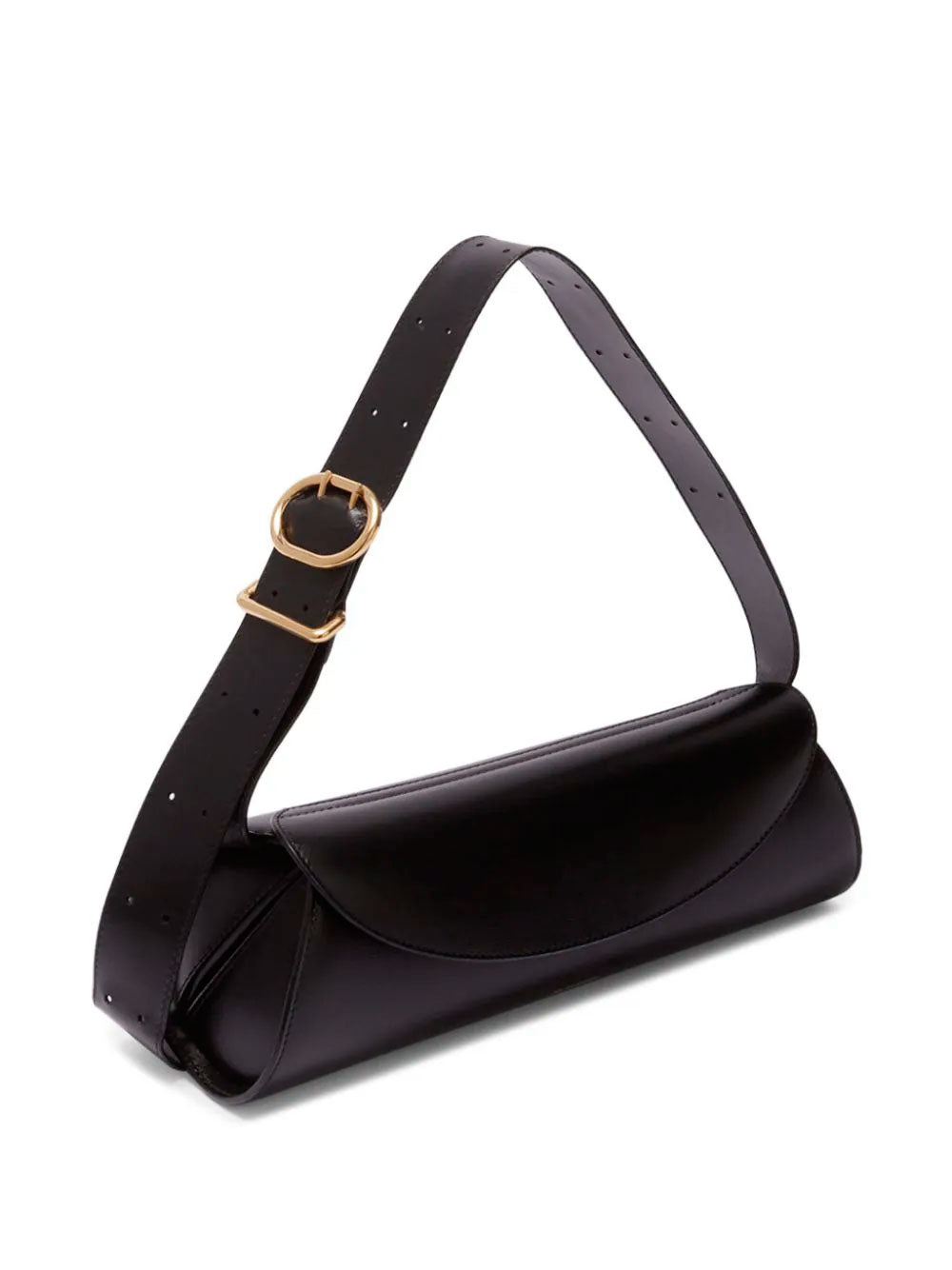
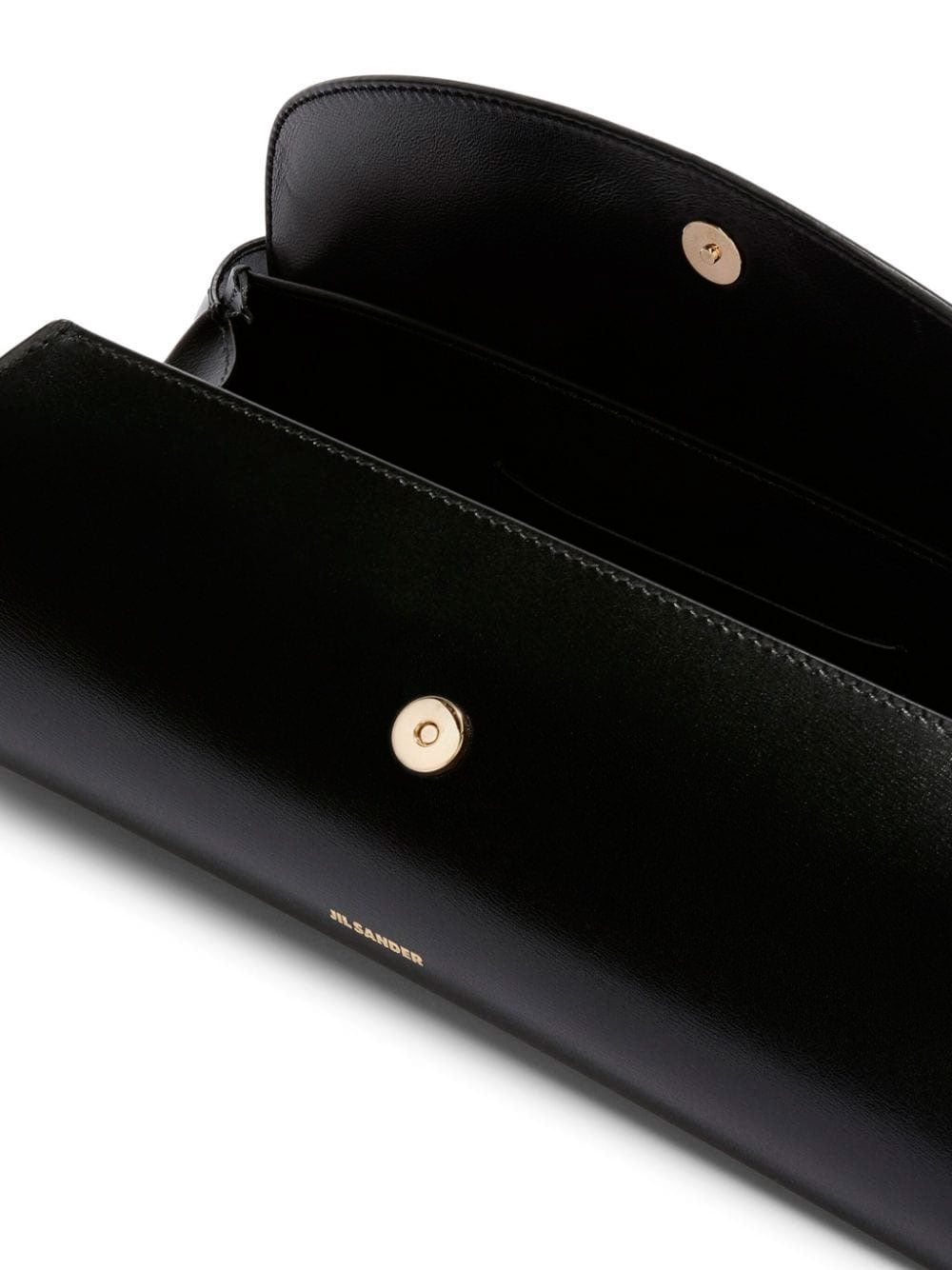
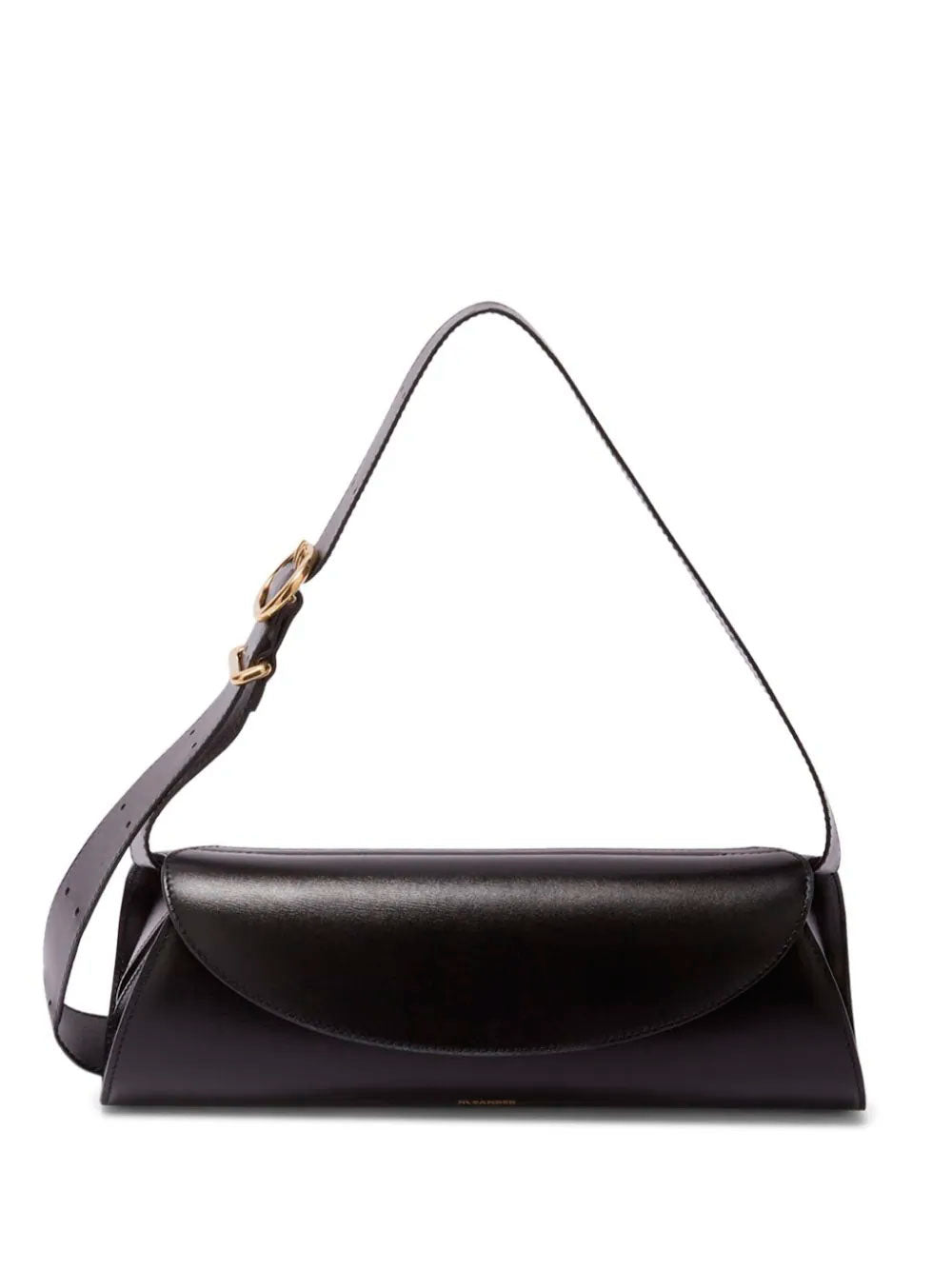
Small Cannolo bagSmall Cannolo bagSmall Cannolo bagSmall Cannolo bagSmall Cannolo bagSmall Cannolo bag
Sale price903 € Regular price1.290 €
Poplin shirtPoplin shirtPoplin shirtPoplin shirtPoplin shirt
Sale price1.190 €
Poplin coatPoplin coatPoplin coatPoplin coat
Sale price1.990 €
Open-knit sweaterOpen-knit sweaterOpen-knit sweater
Small Cannolo bagSmall Cannolo bagSmall Cannolo bagSmall Cannolo bagSmall Cannolo bagSmall Cannolo bag
Sale price903 € Regular price1.290 €
Poplin shirtPoplin shirtPoplin shirtPoplin shirtPoplin shirt
Sale price1.190 €
View product
Join the conversation in our socials