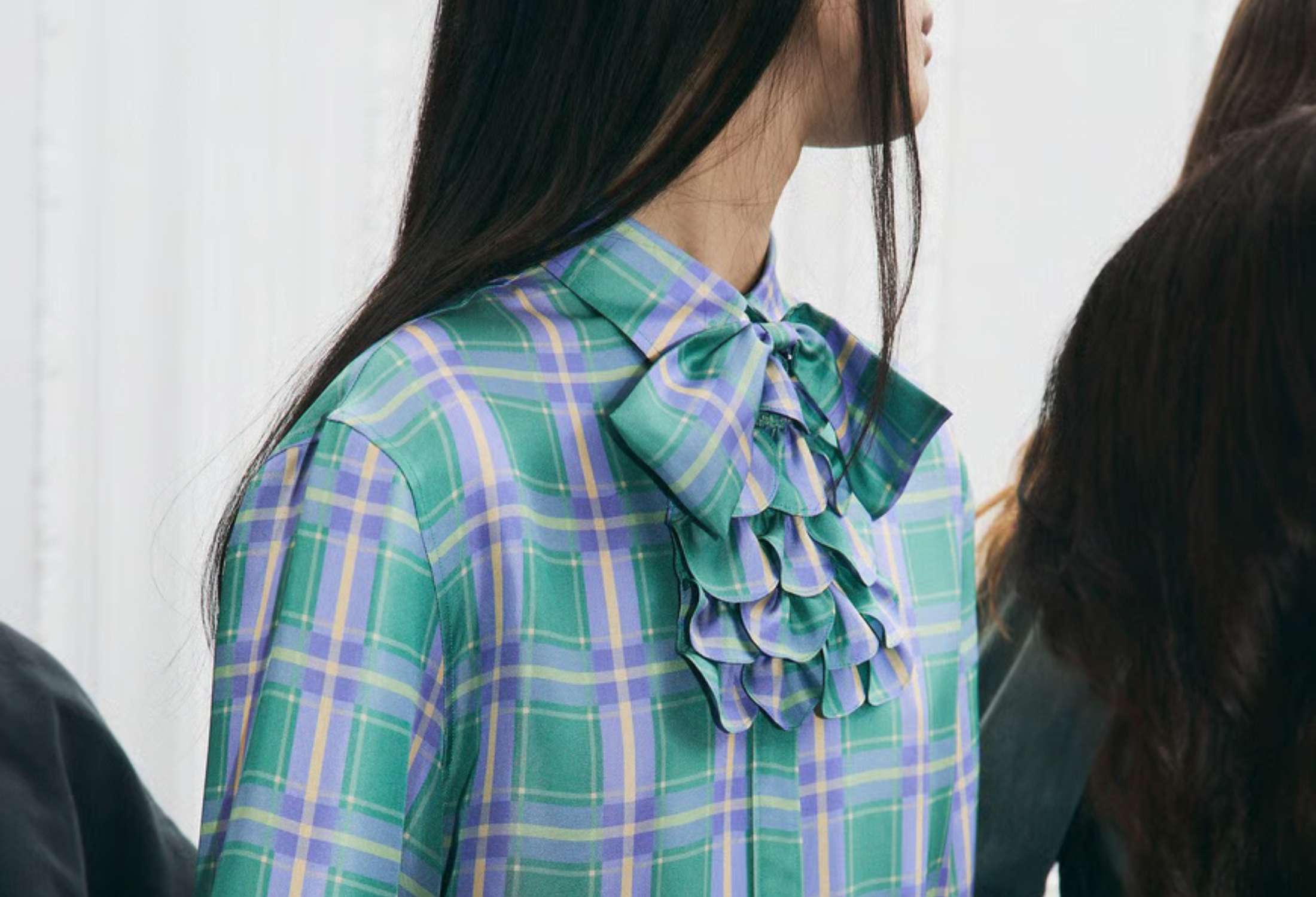
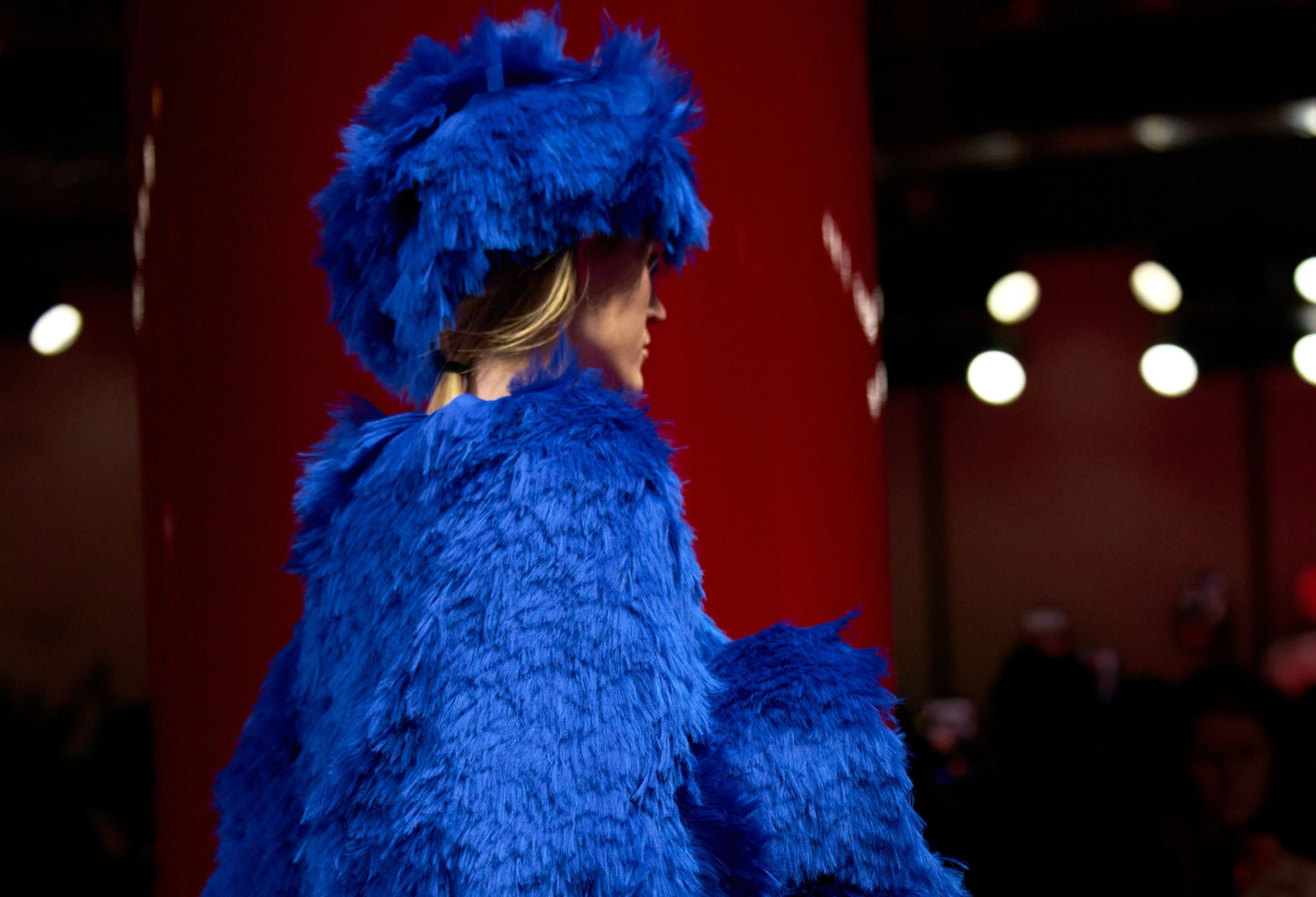
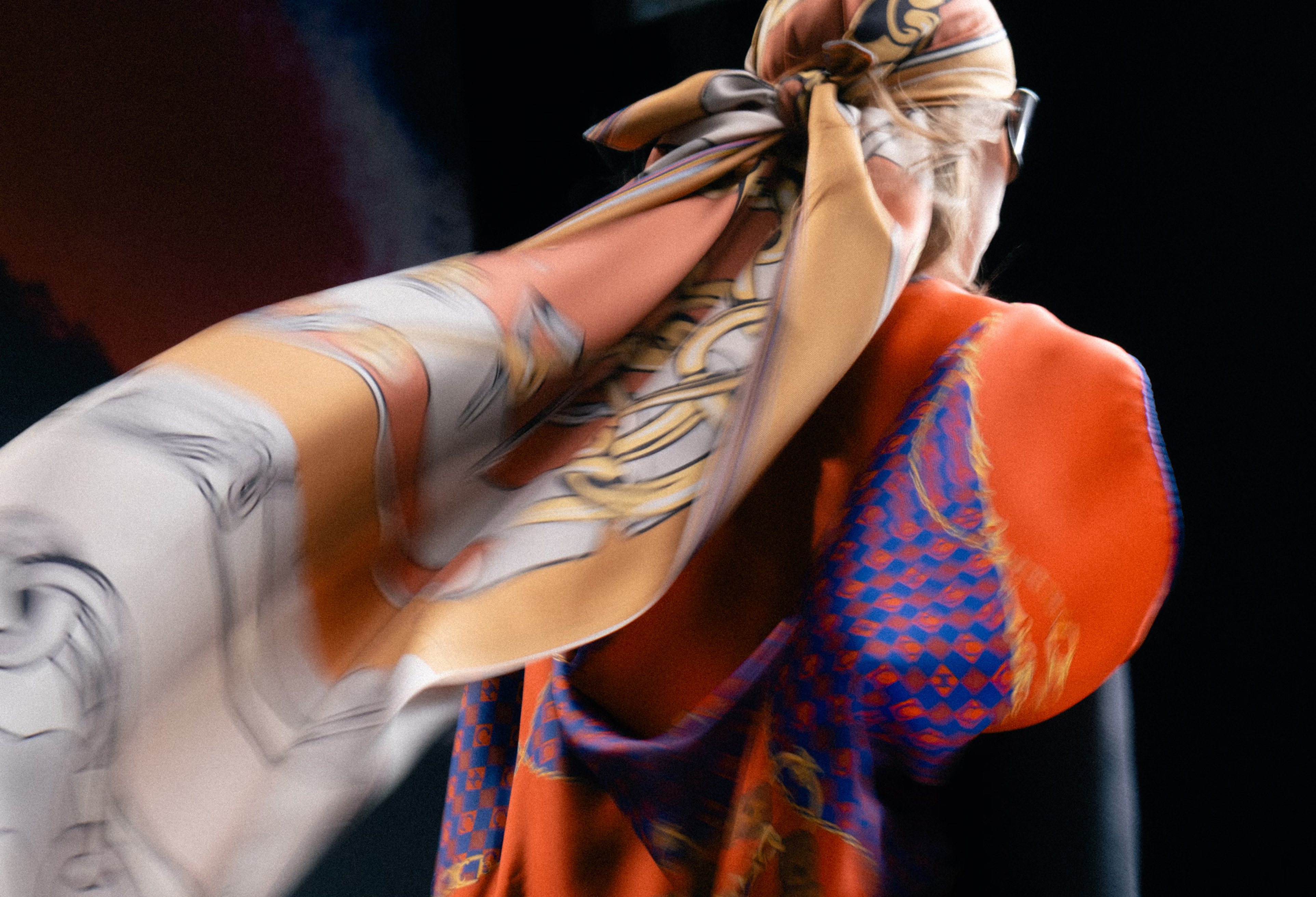
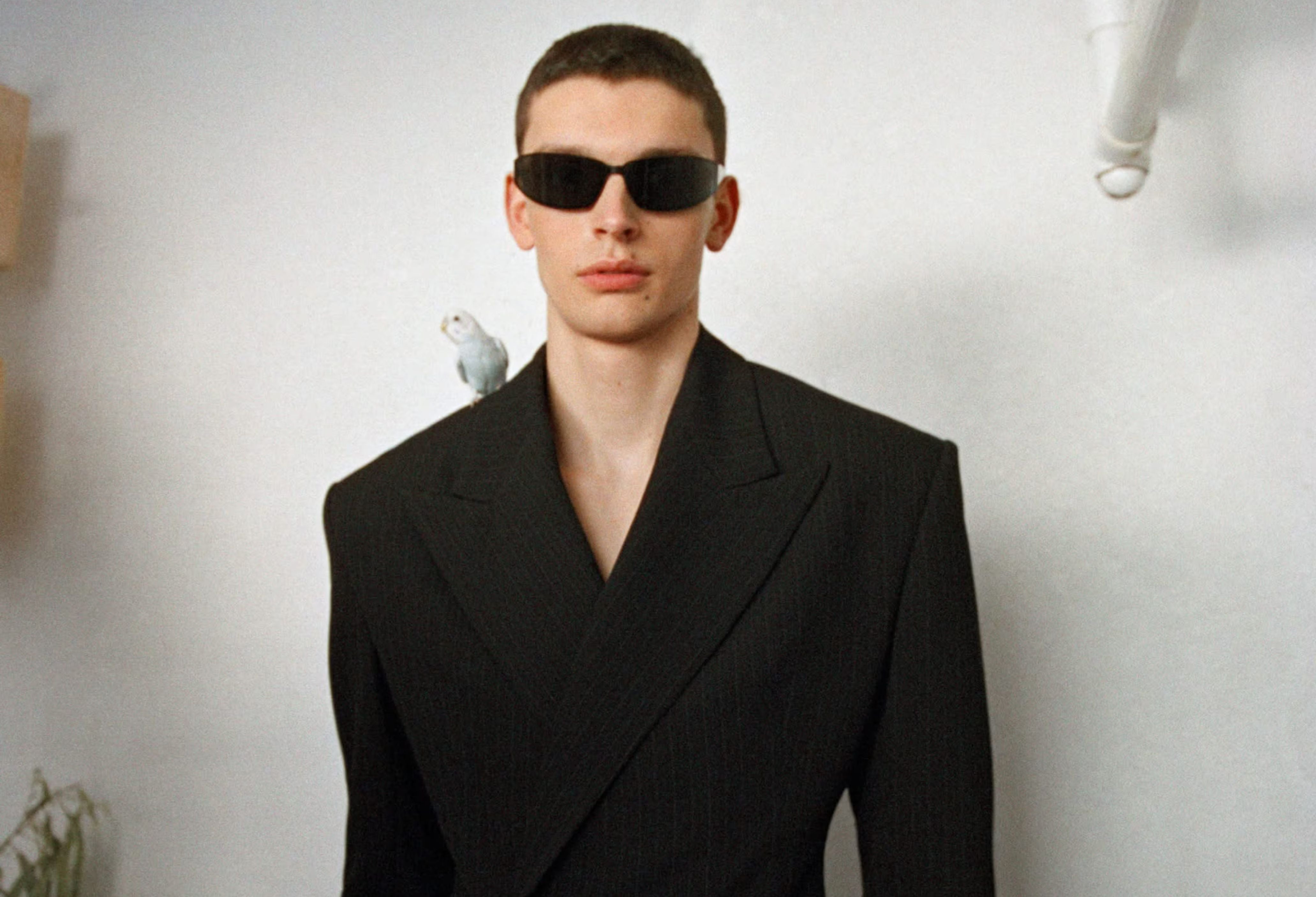
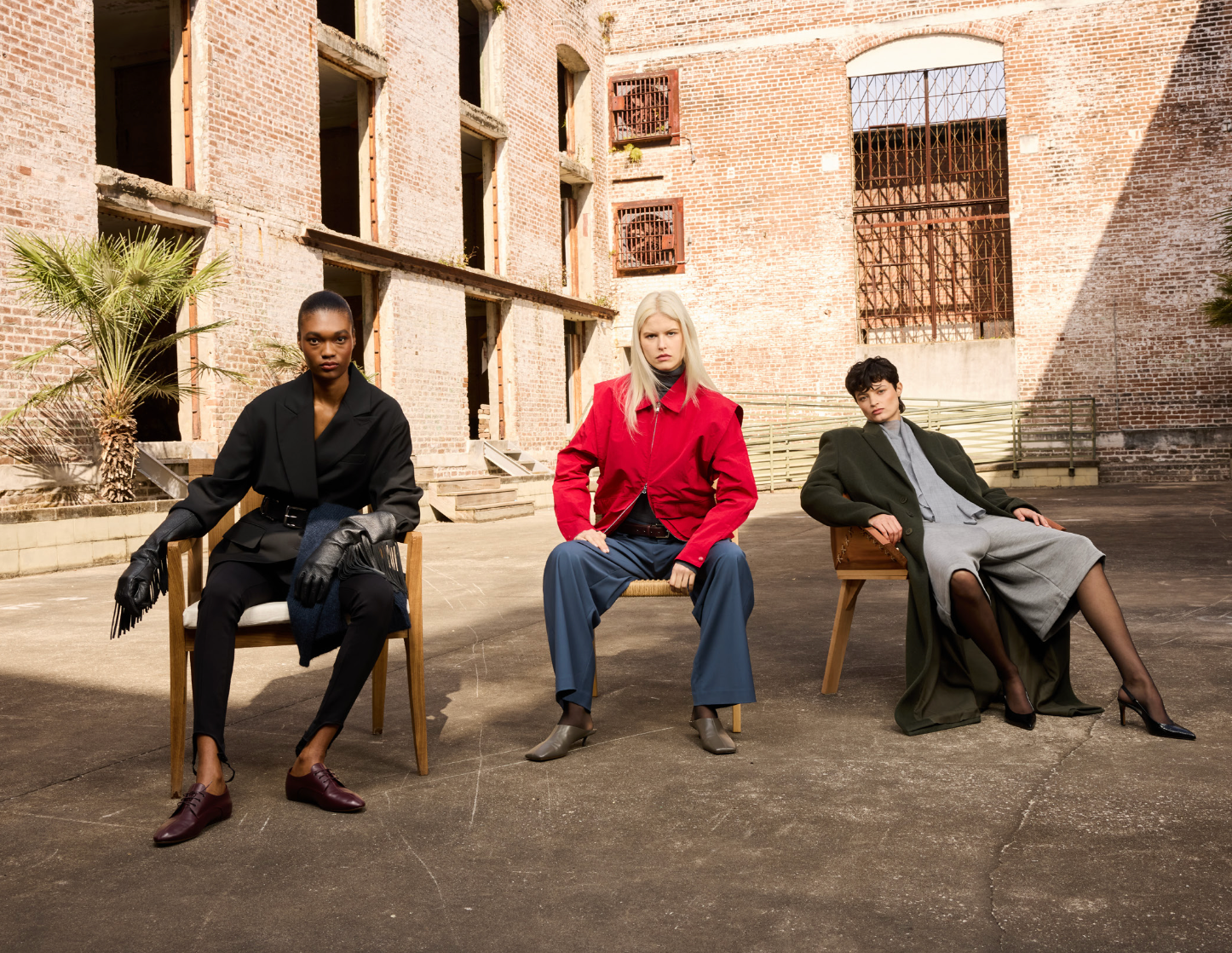
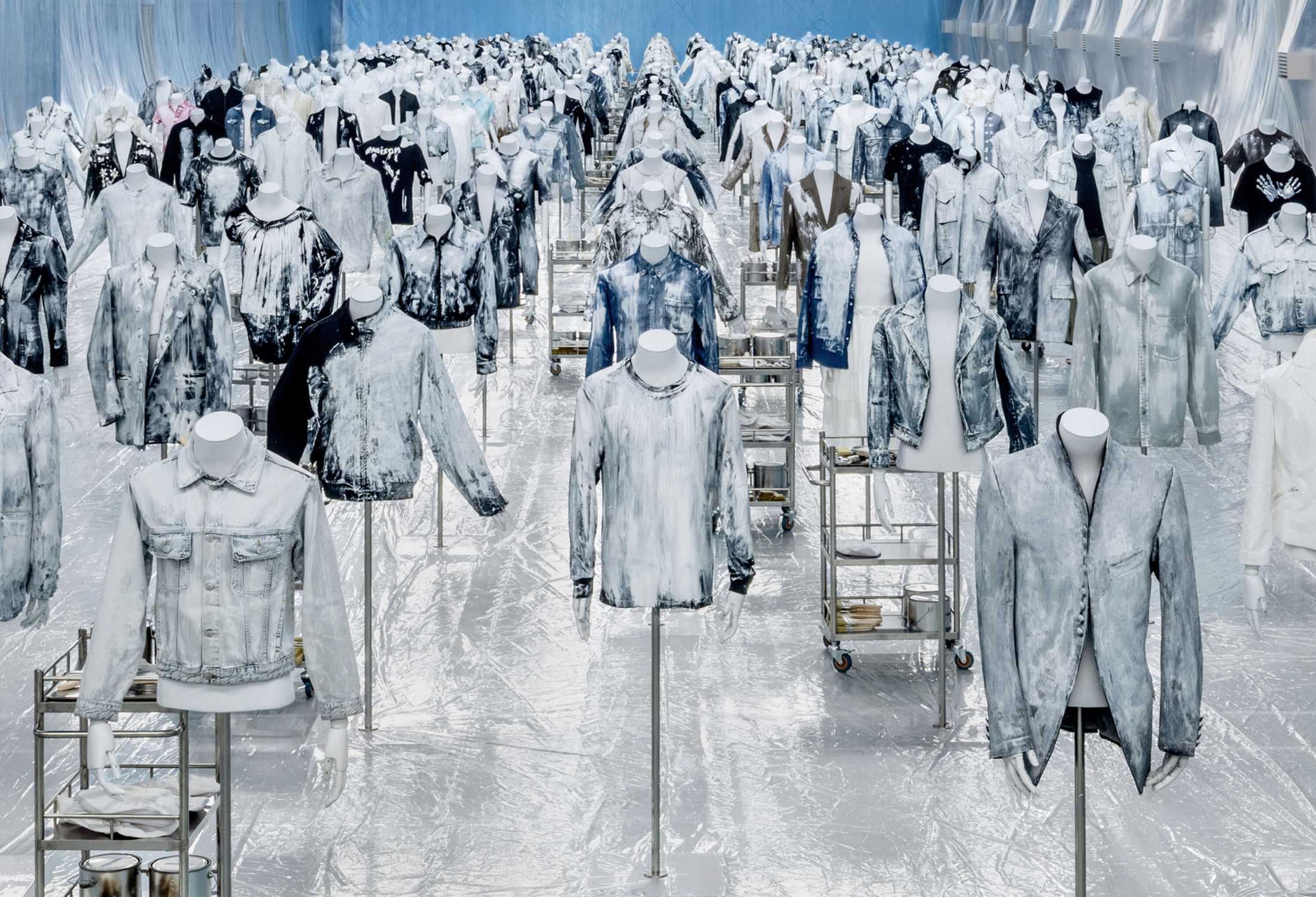
With 65% of the votes, the most anticipated debut of 2025 was, without question, Jonathan Anderson at Dior. The expectation was not simply about a change of name on the door, but about the deeper question behind it: how would one of the most influential designers of his generation interpret the house that invented the New Look? The answer arrived with the Spring-Summer 2026 menswear show, a collection that acted as a hinge between archive, present, and future.
Yet it was the womenswear show that truly set the conversation ablaze. Everything opened with a small cardboard box placed at the centre of the runway, marked with the 1946 logo that Anderson has revived. Inside it, an inverted pyramid functioned as a screen for a film by Adam Curtis, a collage of memories: Dior, Bohan, Ferré, Galliano, Simons, Chiuri. Before a single garment appeared, the message was unmistakable: stepping into the “house of Dior” means engaging in dialogue with all its ghosts.
On the runway, the homage unfolded as a sequence of near–haute couture pieces. The Bar jacket, cannage, tricorne hats, echoes of Marie Antoinette and the New Look coexisted with Anderson’s arty irony and meticulous craftsmanship. Teen miniskirts inspired by Galliano, hybrid smoking-leggings that straddled couture and streetwear, flower shoes and origami-like heels proved that spectacle could coexist with new ways of wearing. The dialogue with the menswear collection, presented months before, closed the circle: silhouettes responding to each other, building a coherent Dior universe under a single creative mind and a parallelism between menswear and womenswear.
This debut is perceived as a long-term contract between designer and Maison: absolute respect for the archive, the desire to move people, and a new identity rooted in style rather than viral noise. For our audience, this was more than the most anticipated show of the year: it was the beginning of a decisive era.
With strong support from voters, the second most anticipated debut of 2025 was Jack McCollough and Lazaro Hernandez at Loewe. A choice charged with a different, quieter, and deeply symbolic expectation: witnessing how one of the houses most closely linked to contemporary craftsmanship would enter a new phase without betraying its DNA.
Following Jonathan Anderson’s departure, the challenge was immense. Loewe arrived at this transition as a cultural laboratory with a strikingly defined artistic identity. McCollough and Hernandez chose not to break with that heritage, but to reinterpret it through the lens of the present.
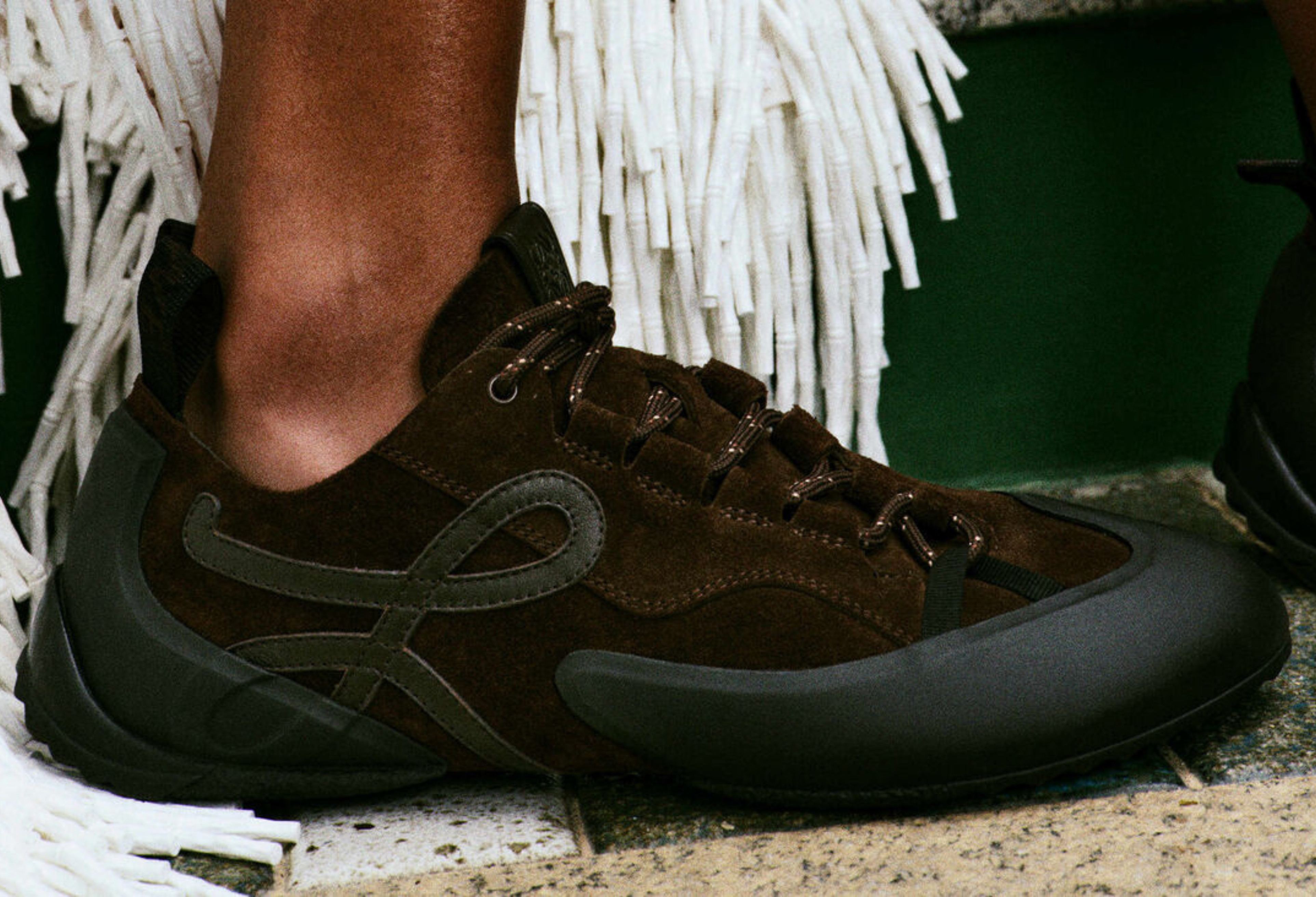
The collection breathed a marine, Mediterranean, and physical sensibility. Jackets with precise structures, mini-dresses rendered as colour plates, ultra-light parkas, and a chromatic study of reds, yellows, and oranges that evoked an abstracted, never literal, vision of Spain. In accessories, the new Amazona 180 bag marked the beginning of a new iconography, alongside viral pieces such as the mussel-covered bag and moulded-rubber shoes.