
COMME DES GARÇONS
When Françoise Hardy wrote Tous les garçons et les filles, she likely never imagined the phrase would one day name one of the most defining fashion houses of the 20th and 21st centuries. But against all odds, that’s exactly what happened. Comme des Garçons was founded in 1969 in Tokyo by Rei Kawakubo. Today, it’s known as an innovative casualwear brand, but in truth, its influence forever changed the landscape of fashion, inspiring a whole generation of designers such as Alexander McQueen, Martin Margiela, Junya Watanabe, Dries Van Noten, and Chitose Abe of Sacai.
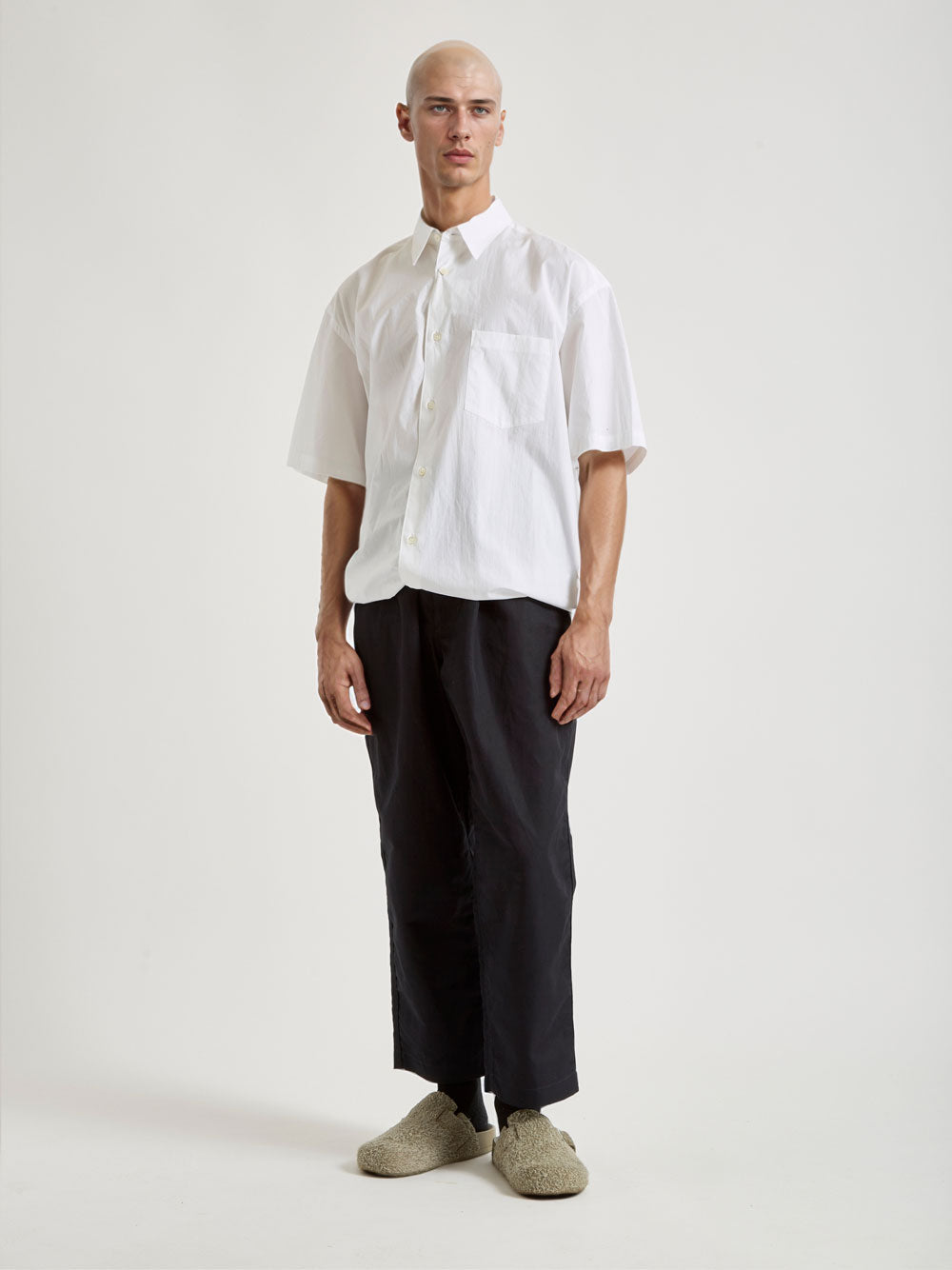
Its influence goes beyond aesthetics and design concepts. In addition to Kawakubo’s spectacular creative process and her way of challenging the industry, she also paved the way for Japanese fashion’s global influence. The butterfly effect of her work has shaped modern casualwear, resulting in endless iterations of her minimalist, conceptual style across leading fashion houses. In everyday clothing, her impact is evident in oversized striped shirts, wide-leg jeans, sandals with socks, and geometric silhouettes seen throughout contemporary collections.
In 2017, Rei Kawakubo became only the second living designer to be honored with a retrospective at the Costume Institute of the MET, following Yves Saint Laurent. The exhibition, titled Rei Kawakubo/Comme des Garçons: Art of the In-Between, showcased 140 pieces divided into conceptual dualities: absence/presence, fashion/anti-fashion, object/subject. True to her mystique, Kawakubo refused to attend the opening gala and declined to explain her collections. The exhibition celebrated precisely that: the impossibility of categorizing her work. For many, it was the ultimate confirmation of Comme des Garçons’ influence beyond fashion, a global exhibition born out of her absence.